How to Stop Baitcaster Backlash When Casting Into Strong Headwinds?
Strong headwinds turn a smooth fishing day into a frustrating one. Your lure stalls in midair. Your spool keeps spinning. And before you know it, you have a tangled bird’s nest sitting on your reel. Every baitcaster user faces this problem at some point, and it can ruin your rhythm fast.
The good news is that backlash in the wind is preventable. With the right reel settings, the right casting motion, and the right lure choice, you can throw confidently into a stiff breeze. This guide breaks down each fix in simple steps.
You will learn how pros handle wind, what gear adjustments matter most, and how to train your thumb for total spool control. Keep reading because the next windy trip should feel easy, not painful.
Key Takeaways
- Tighten your spool tension knob slightly more than usual. A snug tension setting slows the spool just enough to match the slower flight of your lure in a headwind.
- Increase your braking system to around 70 to 80 percent on windy days. Magnetic and centrifugal brakes both reduce overrun, which is the main cause of wind backlash.
- Use heavier, more aerodynamic lures because light baits get pushed back by wind and lose momentum, while compact lures cut through air cleanly.
- Cast sidearm or low to the water instead of overhead. A flat, low trajectory keeps the lure under the wind and reduces lift that triggers spool overrun.
- Feather the spool with your thumb throughout the cast. Active thumb pressure is the single most effective backlash prevention tool, especially in unpredictable gusts.
- Shorten your casting distance and aim with the wind angles when possible. Cast across the wind or quartering into it instead of straight into the teeth of the gust.
Why Backlash Happens More Often in Strong Headwinds
Backlash occurs when your spool spins faster than your lure travels through the air. In calm conditions, the lure pulls line off the spool at a steady speed. In a headwind, the wind pushes back against the lure and slows it down, but the spool keeps spinning at full speed.
That mismatch creates loose loops of line. Those loops fold back into the spool and tangle into a nest. The stronger the wind, the bigger the speed gap, and the worse the tangle gets.
Understanding this physics matters. Backlash is not random. It is a direct result of spool speed exceeding lure speed. Once you accept that simple truth, every fix in this guide makes more sense. You are basically working to keep spool speed and lure speed in balance, no matter what the wind is doing.
Adjusting Your Spool Tension Knob for Windy Days
The spool tension knob sits next to the reel handle. It controls how freely the spool rotates. On calm days, you set it loose enough that your lure slowly drops to the ground when you press the release button.
On windy days, tighten the knob a little more than your normal setting. The lure should fall slowly, almost in a controlled drift, rather than dropping fast. This small adjustment fights the extra spool speed caused by the wind.
Pros of tightening tension: simple, immediate, no learning curve, and works on every baitcaster brand. Cons: you will lose some casting distance, and overtightening can stall the spool mid cast, which kills accuracy. Adjust in small clicks and test cast before fishing seriously.
Increasing Brake Settings to Match Wind Strength
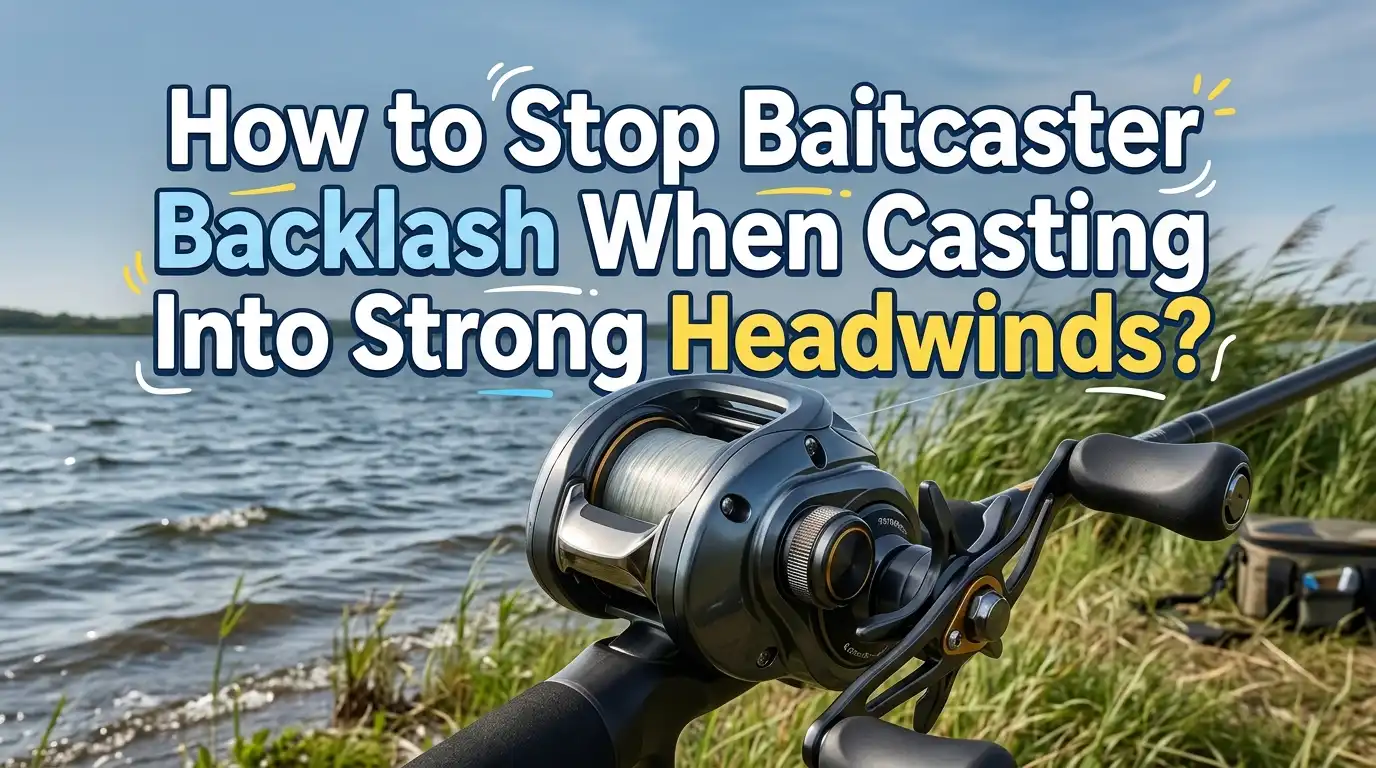
Brakes are your second line of defense. Most baitcasters use either magnetic brakes, centrifugal brakes, or a combination. Both types slow the spool during the cast to prevent overrun.
For headwind fishing, raise your brake setting to about 70 to 80 percent of maximum. If your reel has six centrifugal pins, engage four or five. If it has a magnetic dial from one to ten, set it around seven or eight.
Pros of high brake settings: huge reduction in backlash risk, beginner friendly, easy to dial in. Cons: shorter casts because brakes resist spool spin, and slightly less feel for the lure during flight. The trade is worth it. A short clean cast beats a long tangled one every single time.
Choosing the Right Lure Weight and Shape for Headwinds
Lure choice matters as much as reel settings. Light, wind resistant baits like hollow body frogs, popping bugs, or floating worms struggle in strong wind. They lose speed fast and trigger backlash.
Switch to heavier, denser, more aerodynamic lures. Examples include lipless crankbaits, jigs with compact trailers, blade baits, and football head jigs. These cut through wind because they have more mass per surface area.
Aim for lure weights between half an ounce and one ounce when wind picks up. Pros of heavy compact lures: better casting distance, less wind drift, more predictable flight. Cons: they can be too aggressive for finicky fish, and they may not match the hatch in clear water. If conditions allow, switch baits before switching tactics.
Mastering Thumb Control for Active Spool Management
Your thumb is the most powerful brake on any baitcaster. It reads conditions in real time. No mechanical brake reacts as fast as a trained thumb.
During the cast, rest your thumb lightly on the spool. Apply gentle pressure as the lure flies. When you feel the lure slow down because of a gust, press a bit harder to slow the spool. Just before the lure hits the water, press firmly to stop the spool completely.
Pros of thumb control: free, infinitely adjustable, works in any wind, and improves with practice. Cons: it takes time to develop the feel, and tired hands lose precision late in the day. Practice in your backyard with a casting plug. Ten minutes of daily practice will change your wind game forever.
Picking the Best Casting Angle and Trajectory
Casting straight into a hard headwind is the worst choice. The wind hits the full surface of your lure and line. It slows everything down and ruins your cast.
Instead, cast at an angle to the wind. Quartering casts, where you throw at roughly 45 degrees to the wind direction, slice through air more easily. Sidearm casts also help because they keep the lure low.
A low flat trajectory beats a high arching one. Keep your rod tip lower on the forward cast so the lure travels closer to the water. The wind has less effect at water level because friction with the surface slows the breeze. This single adjustment can cut your backlash rate in half on rough days.
Using Heavier Line and the Right Line Type
Line choice affects wind performance more than most anglers realize. Thin braided line cuts through wind well but offers no stretch and can dig into the spool under pressure. Thick monofilament catches wind like a sail.
Try fluorocarbon line in the 12 to 17 pound range for windy bass fishing. Fluorocarbon is denser than mono, so it sinks and resists wind drift. It also has less memory, which means fewer loose loops on the spool.
Pros of fluorocarbon in wind: low visibility, sinks fast, cuts wind better than mono. Cons: more expensive, stiffer in cold weather, harder on knots. If you prefer braid, use a fluorocarbon leader of about three feet to keep the lure end heavy and stable.
Shortening Your Cast for Better Accuracy
Long bombing casts feel great on calm days. In strong wind they multiply your problems. The longer the line is in the air, the more time the wind has to push it around.
Shorten your casts to about 60 to 70 percent of your normal range. Shorter casts mean less hang time, less wind exposure, and tighter spool control. You will land closer to your target and avoid blow ups.
This change feels strange at first. You may feel like you are not reaching the fish. Quality beats quantity in wind. Five clean short casts catch more fish than one long tangled one. Move your boat or your feet a little closer to the cover instead of forcing distance with the rod.
Loading the Rod Properly for Wind Resistant Casts
Rod loading is the smooth bend you create during your back cast. A well loaded rod uses stored energy to launch the lure with controlled speed. In wind, this matters even more.
Use a slower, deliberate back cast to load the rod fully. Then drive forward with a smooth steady motion. Avoid jerky snaps. Jerky casts create sudden spool acceleration, which the wind then exposes as backlash.
A medium heavy rod with a fast tip works well in wind. The fast tip releases energy quickly and gives the lure a strong start, helping it punch through resistance. Pros of slow loading: better accuracy, less backlash, longer casts overall. Cons: requires practice and patience, especially under fishing pressure. Slow down to speed up.
Maintaining Your Reel for Smooth Spool Performance
A dirty or dry reel makes wind problems worse. Old grease, dust on bearings, and worn brake pads all cause uneven spool speed. Uneven speed plus wind equals guaranteed backlash.
Clean your bearings every month with a small amount of reel oil. Wipe down the spool and brake system. Replace worn brake pins or magnets when they lose grip. A smooth reel responds predictably to your settings, which makes wind adjustments work the way they should.
Pros of regular maintenance: longer reel life, better casts, fewer backlashes. Cons: takes 15 to 20 minutes per reel and requires basic tools. A clean reel is a confident reel. If you fish often in wind, build a simple monthly cleaning habit. Your future self will thank you on every windy trip.
Practicing Wind Casting in Controlled Settings
You cannot learn wind casting only on the water. The pressure of fish and time gets in the way. Practice at home or in a park on breezy days with a casting plug or a hookless lure.
Set up targets at 20, 30, and 40 feet. Cast into the wind, across the wind, and with the wind. Track how often you backlash with each angle and lure weight. Adjust your brakes and tension based on results.
Twenty minutes of practice twice a week builds real skill in a month. Pros of dry land practice: no fish pressure, full focus on technique, fast feedback. Cons: less fun than fishing, requires a safe open space. The payoff is huge. You will fish windy days with confidence instead of frustration.
When to Switch to a Spinning Reel
Sometimes the wind just wins. Gusts above 25 miles per hour can defeat even the best baitcaster setup. Knowing when to switch gear is a sign of a smart angler, not a weak one.
Spinning reels handle wind better with light lures. They have no spool overrun, so backlash is not possible in the same way. For finesse baits and small jigs in strong wind, a spinning combo is often the better tool.
Pros of switching: no backlash, better light lure performance, less stress. Cons: less power for heavy cover, weaker hooksets with thick line, different casting feel. Carry both setups in the boat. Use the right tool for the moment and your fishing day stays productive no matter what the weather does.
Frequently Asked Questions
How tight should my spool tension be in strong wind?
Tighten the knob until your lure falls very slowly when you press the release. A controlled drift, taking two to three seconds to reach the ground, is ideal. This is slightly tighter than your calm day setting and gives extra protection against overrun.
Can braid lines work better than fluorocarbon in wind?
Braid is thinner and cuts wind well, but it has no weight to fight gusts. Fluorocarbon is denser and sinks, which keeps your line stable. Many anglers use a braid main line with a fluorocarbon leader to combine the benefits of both.
What lure weight is best for casting into headwinds?
Stick with lures between half an ounce and one ounce. Heavier compact lures carry momentum through the wind. Avoid hollow, wind catching baits like frogs or large topwaters when the breeze is strong.
Should I cast overhead or sidearm in the wind?
Sidearm or low angle casts work better. They keep the lure under the strongest wind layer and reduce hang time. Overhead casts expose the lure to more wind and increase backlash risk.
How often should I clean my baitcaster for wind performance?
Clean and oil bearings once a month if you fish weekly. Deep clean every three to six months. Smooth bearings give consistent spool speed, which is critical when you are making fine wind adjustments.
Is it normal to still get backlashes even with perfect settings?
Yes. Even pros backlash sometimes. The goal is not zero backlashes but fewer and smaller ones. Stay patient, keep your thumb active, and accept that some days the wind will win a few rounds.

Hi, I’m Ivy Webb, the passionate angler and creator behind BaitHookVault.com. I spend my days out on the water personally testing and reviewing a wide variety of fishing tools and gear.