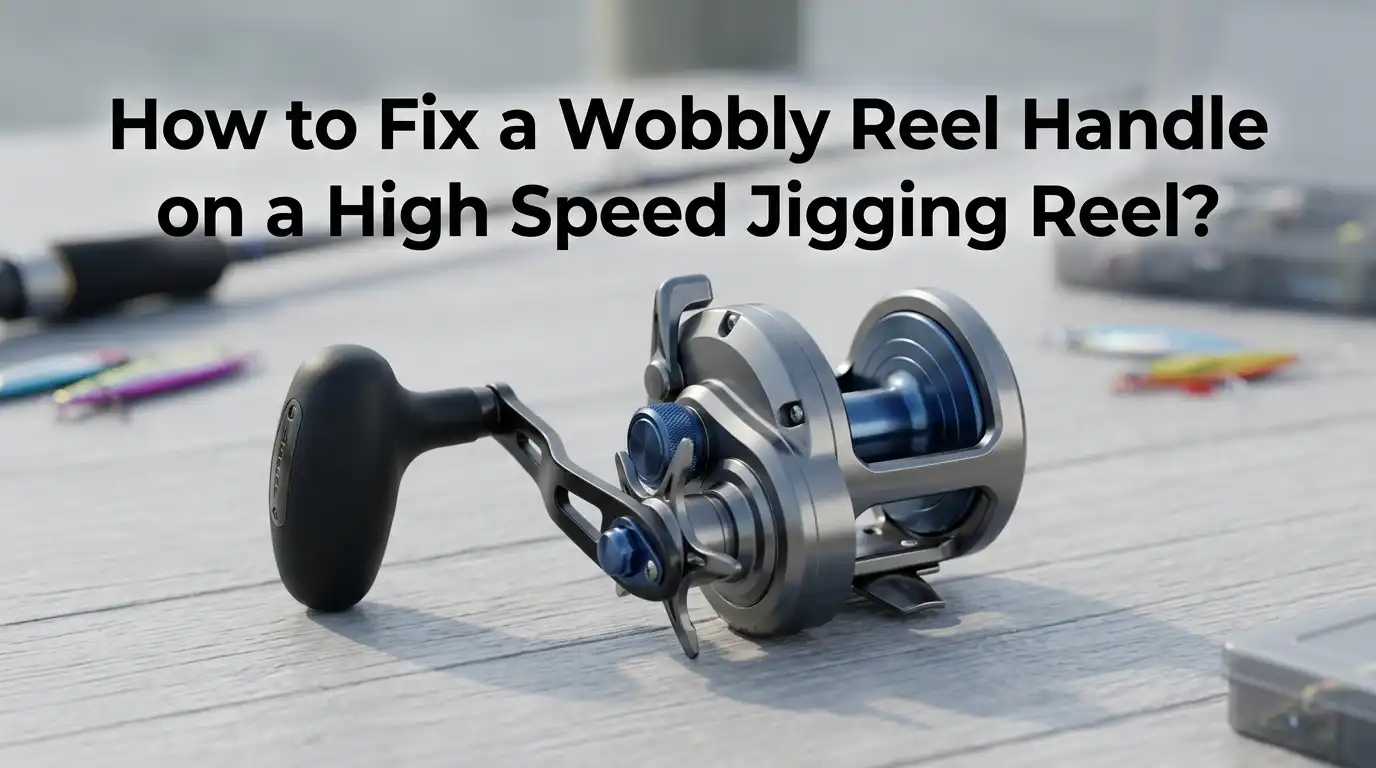
How to Fix a Wobbly Reel Handle on a High Speed Jigging Reel?
A wobbly reel handle can ruin a good jigging session fast. One small shake can turn into poor power transfer, extra wear, and a reel that feels rough under load.
The good news is that most handle wobble problems have a simple cause. A loose screw, a missing washer, a worn bearing, or a part that went back in the wrong order can all create that annoying play.
This guide keeps things simple. You will learn how to find the exact source of the wobble, fix it with basic tools, and test the reel before your next trip. The goal is clear.
In a Nutshell
- Start by finding where the movement lives. A wobble at the handle knob needs a different fix from a wobble at the main handle arm. Hold the reel body still and move one part at a time. Check the knob, the arm, and the handle shaft. This saves time and stops wrong repairs. If you skip this step, you may tighten the wrong part and the wobble will stay.
- Most quick fixes start with simple hardware. A loose cap screw, a backed out knob screw, or a missing thin washer often causes the problem. These parts are small, but they control side play and handle tightness. A careful tighten and recheck can solve the issue in minutes. This is the fastest fix and it costs little.
- Washers and shims matter more than many anglers think. A very thin washer can remove extra side play from the handle knob. If that washer is worn, lost, or left out after service, the knob will rock from side to side. The right shim can make the handle feel new again. The wrong shim can bind the knob and slow rotation.
- Bearings and bushings also cause wobble. If the knob still moves after tightening, inspect the bearing or bushing inside the knob. Dirt, salt, wear, and corrosion can create slack. Clean parts first. Replace worn parts if needed. A clean bearing spins smooth and holds alignment better under load.
- Do not ignore anti reverse and drive side play. If the handle feels loose near the reel body, the issue may be deeper than the knob. A worn clutch area, bad support bearing, or wrong assembly order can create back play and side movement. That kind of wobble needs a more careful check. It often shows up after heavy jigging or poor service work.
- Use the reel schematic if you open the handle assembly. Handle washers, collars, bearings, and spacers must go back in the right order. One wrong part position can cause wobble or binding. A schematic removes guesswork and protects expensive parts. If you feel unsure, stop early and get help before damage spreads.
Know What a Wobbly Reel Handle Is Telling You
A wobble is a symptom. It tells you that one part is moving more than it should. On a high speed jigging reel, that extra movement gets worse under pressure because the handle turns fast and pulls hard.
The first clue is the location. If the knob wiggles, the issue is often a screw, washer, bushing, or bearing. If the whole handle arm rocks near the reel body, the problem may sit at the handle shaft or inside the drive side.
Listen and feel at the same time. A dry click, a soft knock, or a rough turn helps you narrow the fault. Smooth movement with side play often points to a missing shim. Rough movement with play often points to dirt or wear.
Pros: This early check is easy, fast, and free.
Cons: It does not fix anything by itself, and a rushed check can miss deeper play.
Gather the Right Tools Before You Touch the Reel
You do not need a full workshop. You do need the right size tools and a clean work area. A small screwdriver set, a soft cloth, tweezers, cotton swabs, reel oil, and a tray for small parts are enough for most handle fixes.
A phone camera helps a lot. Take a photo before you remove each part. That photo can save you from wrong reassembly later. Keep parts in order from left to right as you remove them.
Use the exact driver size for each screw. A poor fit can strip the screw head fast. That mistake turns a small repair into a bigger job. Also work over a towel so tiny washers do not bounce away.
Pros: Basic tools lower risk and keep the repair simple.
Cons: Using the wrong tool can damage the reel faster than the wobble itself.
Find the Exact Type of Play Before You Repair Anything
Now test the reel with purpose. Hold the reel body firm in one hand. Use the other hand to move only the knob. Then move only the handle arm. Then turn the handle forward and backward a few millimeters to feel for back play.
If the knob moves side to side but still spins well, the problem often sits in the knob stack. If the arm feels loose where it meets the body, check the main handle connection. If the handle has reverse slack, inspect the anti reverse area and nearby support parts.
Small movement is normal on some reels. Large side play, clicking, or a loose feeling under pressure is not. Try to measure the play with your eyes. A tiny wobble can be fine. A visible rock is usually a fixable fault.
This step gives you a repair path. It stops random tightening and keeps the job clean.
Tighten the Main Handle Connection at the Reel Body
A loose handle connection is one of the most common causes of wobble. Many reels use a screw in handle, while others use a bolt style handle with a cap on the opposite side. Check which style your reel uses before you turn anything.
For a screw in handle, turn the handle in the correct direction until it seats fully. For a bolt style setup, remove the cap, snug the fastener, and recheck movement. Do not force it. Too much pressure can damage threads or crush parts.
Tight is good. Overtight is bad. After tightening, turn the handle a few times and feel for smooth rotation. If the wobble is gone and the handle still turns easy, the fix is done.
Pros: This method is fast, cheap, and often solves body side wobble at once.
Cons: It will not fix play caused by missing washers, worn bearings, or internal drive issues.
Fix a Loose Handle Knob Screw or Cap
If the wobble sits in the knob, remove the knob cap first. Many caps lift out gently. Under the cap you will usually find a screw or nut that holds the knob stack together.
Check that screw for looseness. A backed out screw is a common cause of knob shake. Tighten it until snug, then test the knob again. The knob should spin freely but should not rock hard from side to side.
Go slow here. If you crank the screw down too much, the knob may bind and stop spinning well. If the screw keeps loosening, inspect the washer stack and the threads for wear.
Pros: This is one of the easiest and most effective fixes for knob wobble.
Cons: A tight screw can hide a deeper problem for a short time if the bearing or bushing is already worn.
Add or Replace Thin Washers or Shims
Thin washers matter a lot in reel handles. They control side clearance inside the knob. If one washer is missing or worn, the knob can rock even when the screw is tight. Many handle knobs use very thin shims for this exact reason.
Remove the knob parts in order and inspect each washer. Look for bends, wear marks, or a missing piece. If the stack looks incomplete, compare it with the reel schematic or your photos. Then add the correct thin washer and test again.
Use the least amount needed to remove play. Too much shim will make the knob tight and slow. Too little shim leaves wobble behind.
Pros: A shim fix is precise, low cost, and often restores a loose knob fast.
Cons: Wrong washer thickness can cause binding, heat, and extra wear during long jigging sessions.
Clean and Oil the Knob Bearing or Bushing
Salt, dirt, and old oil can make a knob feel loose and rough at the same time. Open the knob and inspect the bearing or plastic bushing. If it looks dirty, clean the area carefully with a swab and wipe away old residue.
If the part is a bearing, add only a tiny drop of oil. If the part is a bushing, use the correct light lubrication for that material and keep it minimal. Too much oil attracts dirt and can spread where you do not want it.
Clean first, oil second, test third. That order matters. A dirty bearing with fresh oil still feels bad. A clean bearing with one small drop often feels much better right away.
Pros: Cleaning is cheap and can restore smooth feel without buying parts.
Cons: Cleaning will not remove wobble caused by worn races, cracked bushings, or missing hardware.
Replace Worn Bearings or Bushings When Cleaning Fails
If the knob still wobbles after cleaning and correct reassembly, the bearing or bushing may be worn. Check for rough spots, grinding, rust marks, or visible slack on the shaft. A worn part cannot hold the knob straight under load.
Replace like for like unless your reel schematic shows another approved setup. Keep the new part clean and install washers in the same order. Once the new part is in place, tighten the screw just enough to keep the knob free and stable.
Replacement is the better fix when wear is real. Cleaning helps dirty parts. It does not rebuild worn metal or plastic.
Pros: New parts give the cleanest long term repair and improve smoothness under pressure.
Cons: You need the correct size part, and a wrong fit can create fresh wobble or binding.
Check the Anti Reverse Area and Drive Side Support
Some wobble feels like a handle problem but starts deeper inside the reel. If you feel extra back play or looseness near the body, inspect the anti reverse area and nearby support bearing. High speed jigging puts strong load on this zone.
If the anti reverse clutch is dirty, worn, or badly lubricated, the handle can feel loose in reverse. If the support bearing near the clutch is worn or not seated well, the shaft can move more than it should. That movement reaches the handle.
Do not flood this area with random oil. Wrong lubrication can make anti reverse parts slip or feel worse. If you open this section, use the schematic and work slowly.
Pros: This check can solve body side play that simple tightening never fixes.
Cons: It is more advanced and carries more risk if you do not know the reel layout.
Use the Reel Schematic to Rebuild the Handle in the Right Order
A schematic is your best friend once parts come off the reel. It shows the order of bearings, collars, washers, caps, and screws. One small part in the wrong place can create wobble, binding, or poor alignment.
Lay every part on a cloth in removal order. Then compare that order with the schematic. Look for missing thin washers, flipped collars, or a part that sits on the wrong side of the knob. Rebuild slowly and test after each stage.
Correct order beats guesswork every time. Many wobble problems show up after home service because a tiny spacer goes back in the wrong spot. That mistake is easy to make and easy to fix once you spot it.
Pros: This method improves accuracy and lowers repeat repairs.
Cons: It takes patience, and it may feel slow if you want a quick fix.
Test the Reel Under Load Before You Call It Fixed
A reel can feel good on the table and still wobble under pressure. After the repair, mount the reel, grip the knob, and turn with light resistance on the line. You want smooth rotation, low side play, and no clicking.
Check three things. First, the knob should spin without binding. Second, the handle arm should stay firm at the body. Third, reverse movement should feel tight and controlled. If one issue remains, go back one step and recheck the washer stack and screw tension.
A real test saves frustration on the water. Jigging puts fast and repeated load on the handle. Your fix must survive more than a gentle spin in the kitchen.
Pros: Load testing confirms the repair before a trip.
Cons: If you skip it, you may discover the problem again at the worst time.
Stop the Wobble from Coming Back
Prevention matters because jigging reels work hard. Rinse the reel the right way after saltwater use. Use a light fresh water mist or a damp cloth, then dry the reel well. Keep the drag set correctly for rinsing and storage.
Check the handle knob and body connection often. A quick hand test after each trip can catch looseness early. Add a tiny amount of the correct oil to handle knob bearings only when needed. Do not pour oil into random openings.
Small care beats big repair. Salt, sand, and over lubrication cause many future wobble issues. Also store the reel dry and back off drag pressure before long storage.
Pros: Prevention is cheap and extends reel life.
Cons: It needs habit and a few minutes after each trip.
Know When a Full Service or a Reel Tech Makes More Sense
Sometimes the wobble is a warning sign of bigger wear. If the reel has heavy back play, grinding, shaft movement, or repeated looseness after you fix the obvious parts, stop and think before you go deeper. The problem may involve the drive gear area, clutch, or support bearings.
A full service makes sense after a saltwater dunk, major corrosion, or visible internal wear. A skilled reel tech can also help if your reel uses special seals or parts that need careful handling. That is often the smart move for an expensive high speed jigging reel.
A simple fix is great when the problem is simple. A deeper issue needs a deeper repair.
Pros: Professional service protects costly reels and catches hidden wear.
Cons: It costs more and takes more time than a home fix.
FAQs
Why does my reel handle wobble even after I tighten the screw?
The screw may not be the real problem. A missing washer, worn bushing, bad bearing, or wrong part order can still leave side play in the knob. Check the full stack, not just the fastener. If the wobble sits near the reel body, inspect the handle connection and the anti reverse support area too.
Can I fix reel handle wobble without replacing parts?
Yes, many times you can. A loose screw, dirty bearing, or missing shim can often be fixed with cleaning, correct reassembly, and proper tension. If wear has already opened up the bearing or bushing, replacement is the better answer.
Is a little handle play normal on a jigging reel?
A tiny amount can be normal on some reels. Large side movement, clicking, rough feel, or extra reverse slack is not normal. If you can see the knob rock clearly or feel the handle arm shift under light load, the reel needs attention.
What should I never do during this repair?
Do not force screws, do not use the wrong tool, and do not add too much oil. Do not guess the washer order if you have a schematic available. Small mistakes in a handle assembly can create more wobble, binding, or stripped parts very fast.

Hi, I’m Ivy Webb, the passionate angler and creator behind BaitHookVault.com. I spend my days out on the water personally testing and reviewing a wide variety of fishing tools and gear.