How To Remove Line Memory From Old Monofilament Fishing Line?
Have you ever pulled out your old fishing rod, only to find the line coiled up like a spring? That annoying curl is called line memory. It happens when monofilament sits on a spool for too long and keeps its coiled shape.
Line memory causes messy backlash and tangled loops. It also cuts down your casting distance and makes your bait look unnatural in the water.
The good news is you can fix this problem at home. You do not need to buy a new spool of line.
This guide will show you simple methods to remove memory from your old monofilament line. We will cover the popular hot water technique and the manual stretching method.
In a Nutshell
- Warm water is your best friend. Soak the spool in warm water for one to two minutes. This loosens the tight coils in the line.
- Rotate the spool often. Turn it every few seconds while it soaks. This helps the heat reach all sides evenly.
- Try the stretch method too. Tie fifty to seventy five feet of line to a fixed object. Pull it gently with a gloved hand to release tension.
- Treat the line after spooling. Apply heat once the line sits on your reel. This gives you the best results every time.
- Avoid common mistakes. Do not use water that is too cool or skip rotating the spool. Both errors leave memory behind.
- Prevent future coiling. Spool your line directly onto the reel. Avoid storing it on the original package for long periods.
What Is Line Memory and Why It Happens
Line memory happens because monofilament fishing line is made from plastic material that holds its shape. When you store line on a spool for months or years, it sits coiled tightly. The plastic remembers this coiled position and refuses to straighten out.
The coiling happens naturally over time. Monofilament is flexible but not perfect. Heat and pressure from storage cause the material to set into that curved shape. Once the line is wound on your reel, those coils become even more stubborn.
Temperature plays a big role in line memory. Plastic becomes more rigid in cool conditions. When your line sits in a garage or tackle box, the cold makes the coils permanent. This is why heat is so effective at fixing the problem.
Casting becomes difficult when memory is bad. Your line won’t fly straight from the rod. Instead, it forms loops and tangles as it leaves the spool. You get backlash, bird’s nests, and frustration on the water.
The thickness of your line also matters. Heavier monofilament like thirty pound test develops stronger memory than lighter lines. Thicker plastic holds its shape more stubbornly. This means you need more aggressive treatment to fix it.
Prevention is easier than fixing memory. When you buy new line, spool it directly onto your reel instead of storing it on the original package. This way, the line learns the shape of your reel instead of the package spool. Your line stays straighter and casts better from day one.
Understanding why memory happens helps you appreciate the solutions. Your old line isn’t ruined. It just needs proper treatment to forget that coiled shape and perform like new again.
Signs Your Monofilament Line Has Memory Issues
Spotting line memory issues early helps you fix them before they ruin your fishing trip. Visible coils and loops are the most obvious sign. When you unspool your line, it springs back into tight curls instead of lying flat and straight.
Casting problems tell you memory is present. Your line won’t shoot smoothly from the rod. Instead, it hesitates and bunches up near the guides. You might notice shorter casting distance than normal. The line feels stiff and resistant as it leaves the spool.
Tangles and backlash happen more often with memorized line. Even light casts can produce messy knots. Your line twists around itself in the guides. These tangles waste time and frustrate you on the water.
Rough texture is another warning sign. Run your fingers along the line. Memorized monofilament feels bumpy and ridged instead of smooth. These small coils create drag and reduce performance.
Slack line behavior shows memory too. After casting, your line doesn’t maintain tension properly. It loops and sags more than it should. This makes hook sets slower and less effective.
Difficulty with knots appears when memory is bad. Your line won’t cinch tight on knots. It keeps trying to curl back into its coiled shape. Knots slip or fail more easily than they should.
Check your line before each fishing season. Look for these signs on both old spools and recently used reels. The sooner you notice memory issues, the sooner you can treat them. Fresh line performs better, but old line with memory can still work great after proper treatment.
Step-by-Step: Removing Line Memory with Hot Water
Hot water is one of the most effective ways to eliminate line memory. The heat softens the plastic material in monofilament, allowing it to relax and lose its coiled shape.
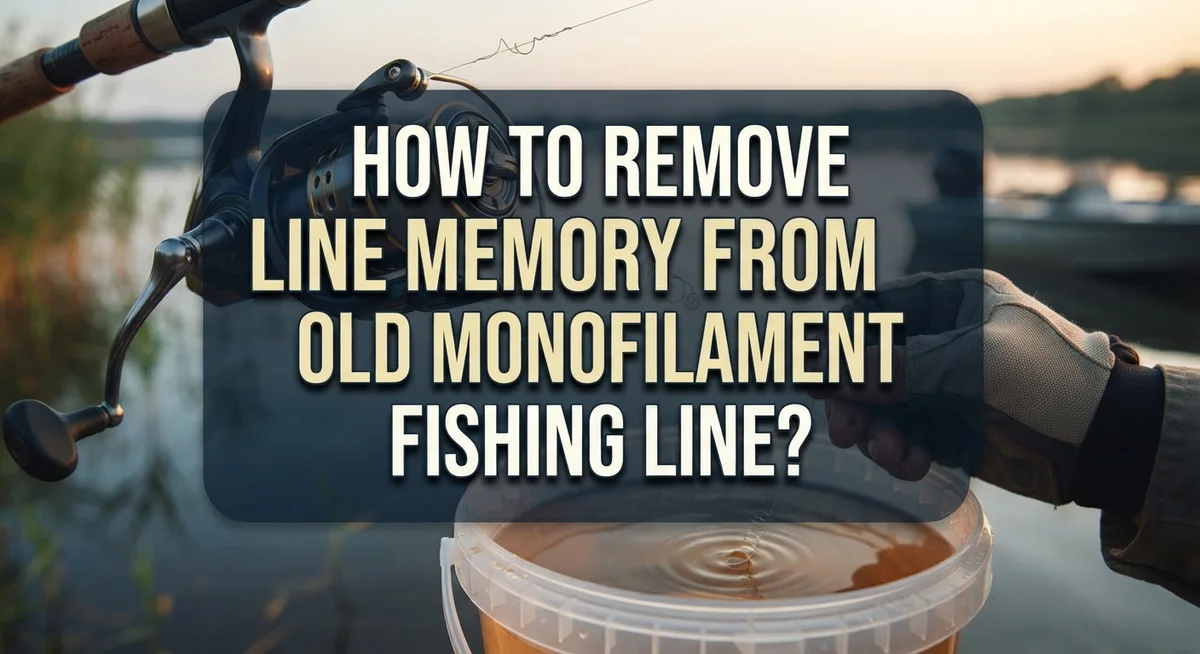
Start by removing the spool from your reel. This gives you direct access to the line and makes the process easier. Fill a bucket or sink with hot water. The water should be hot enough to be uncomfortable to touch, but not boiling. Test the temperature with your hand first.
Submerge the spool in the hot water for 1 to 2 minutes. This time frame allows the heat to penetrate the coiled line effectively. Rotate the spool constantly during this step. Turning it ensures every part of the line receives equal heat exposure. Uneven heating leaves some coils tight while others relax, which reduces your results.
After the initial soak, keep rotating the spool for another minute or two. This continued movement helps the line straighten as it warms. You should notice the coils beginning to loosen.
Remove the spool from the water and let it cool slightly. The line will hold its new, straighter shape as it cools down. Don’t rush this cooling phase. Once cooled, respool the line back onto your reel.
For best results, treat your line after spooling it onto your reel. This approach works better than treating it while on the original package. The reel’s larger diameter helps the line relax more completely.
This method works on all test weights, including heavier thirty pound lines. The process is simple, costs nothing, and uses materials you already have at home. Most anglers see noticeable improvement after just one treatment session.
The Manual Stretching Method Explained
The manual stretching method works by physically removing the coiled shape from your monofilament line. This technique complements heat treatment and gives you direct control over the process.
Start by tying one end of your line to a fixed object. A fence post, tree, or sturdy railing works well for this purpose. Make sure the anchor point won’t move when you apply tension.
Pull out between 50 to 75 feet of line from your reel. This length gives you enough material to work with without using your entire spool. Leave some slack initially so you can position yourself properly.
Put on gloves before you begin pulling. The gloves protect your hands from friction burns and give you a better grip on the line. Cotton or leather gloves work best for this task.
Walk backward slowly while maintaining steady pressure on the line. Pull with enough force to create tension, but don’t jerk or snap the line suddenly. Your goal is consistent, even stretching along the entire length.
As you pull, the line gradually straightens and loses its coiled memory. The tension helps the monofilament relax into its natural state. Continue this motion until you reach the end of the section you’re stretching.
Repeat this process with fresh sections of line until you’ve treated the entire spool. You can combine this method with hot water treatment for better results. Apply heat first, then stretch while the line is still warm and pliable.
This manual approach works especially well for heavy test lines that resist heat treatment alone. The physical stretching reinforces the straightening process and provides faster memory removal than waiting for the line to cool naturally.
Best Practices for Long-Lasting Results
Achieving long-lasting results when removing line memory requires consistent technique and proper timing. Start your treatment right after you spool the line onto your reel. This timing matters because the line settles differently once it’s under tension on the reel.
When using heat treatment, rotate your spool continuously during the entire process. Uneven heat application is the biggest mistake anglers make. Some sections get treated while others remain coiled. Your goal is consistent temperature across every part of the spool.
Water temperature plays a critical role in success. Use water that’s genuinely hot to the touch, not just warm. The heat actually changes the line’s structure temporarily, allowing it to relax. One to two minutes in hot water works best for most situations.
After removing the spool from water, let it cool naturally. Rushing this step by dunking it in cold water can trap the memory back into the line. Patience here pays off during your next fishing trip.
For the stretching method, maintain steady, even pressure throughout. Don’t jerk or pull too hard. Slow, controlled tension allows the line to gradually lose its coiled shape. Wear gloves to protect your hands from friction and line burn.
Test your line after treatment by running it through your fingers. You should feel it lay flat and straight, not springy or coiled. If memory remains, repeat the treatment on those sections.
Prevention remains easier than removal. Store your line properly between seasons. Keep spools in cool, dry places away from direct sunlight. This stops memory from forming in the first place and extends your line’s overall lifespan significantly.
Common Mistakes That Reduce Treatment Effectiveness
Line memory removal fails when you skip key steps. Here are the mistakes that hurt your results.
Uneven heat application tops the list. Many people dunk the spool once and expect success. The heat must reach every part of the line equally. If you only soak one side, the other side keeps its coil. Rotate the spool continuously during the entire water treatment. This ensures the heat works on all angles of the wound line.
Insufficient water temperature causes poor results too. Lukewarm water won’t cut it. The water needs to be hot enough to feel uncomfortable on your bare hand. Cool water simply doesn’t soften the monofilament enough to release the memory. Test the temperature before you start.
Timing mistakes reduce effectiveness significantly. Treating the line while it’s still on the original package spool wastes effort. The line memory returns quickly once it cools. Always treat your line after you’ve already spooled it onto your reel. This timing locks in the straightness better.
Rushing the cooling process backfires too. After you remove the spool from hot water, let it cool slowly at room temperature. Dunking it in cold water or placing it in a freezer reverses your progress. The line needs time to set in its new straight shape.
Inconsistent stretching pressure ruins the manual method. Some people pull hard, then ease up, then pull hard again. Your pressure must stay steady and even throughout. Jerky motions leave sections of the line still coiled.
Finally, treating only small sections leaves most of your line unchanged. Work through your entire spool systematically. Partial treatment means you’ll still face casting problems and tangles on the water.
Troubleshooting Persistent Coiling and Kinks
Persistent coiling and kinks in monofilament line frustrate many anglers. These stubborn memory problems happen when your line refuses to straighten even after basic heat treatment. Understanding why this occurs helps you fix it.
Uneven heat exposure causes the biggest problem. When you treat only part of your spool, the untreated sections retain their coil. Your line remembers the spool shape in those areas. Rotate your spool continuously while applying hot water. Make sure every inch gets equal heat exposure for 1 to 2 minutes.
Insufficient water temperature leaves coils behind too. Water that feels warm to your hand isn’t hot enough. The line needs genuinely hot water to relax its memory. Cold or lukewarm water won’t break the molecular bonds holding the coil shape.
Cooling too quickly resets the memory problem. After heat treatment, let your spool cool naturally at room temperature. Plunging it into cold water locks the coils back in place. This undoes all your work.
Inconsistent stretching pressure ruins the manual method. Your hand pressure must stay steady as you walk backward. Jerky movements or varying tension leave sections of line still kinked. Gloves protect your hands and help you maintain even pressure.
Treating only small sections leaves most of your line unchanged. You need to address the entire spool for real results. Work through fresh sections systematically until you’ve covered all your line.
Combining both methods often works best for stubborn cases. Apply heat first, then manually stretch the line while it cools. This double approach tackles memory from two angles and produces better results than either method alone.
Preventing Line Memory Before It Starts
Prevention beats fighting line memory later. Start with smart storage habits right from the beginning.
Store your monofilament on the reel, not in the original package. The package spool creates that stubborn coil shape. When you spool line directly onto your fishing reel, it forms a natural curve that matches your reel’s design. This prevents the tight memory from setting in during storage.
Keep your reels in a cool, dry place. Heat and humidity make line memory worse over time. Direct sunlight damages monofilament too, so store reels indoors or in shaded areas.
Rotate your reels regularly if you store them for months. Give each reel a quarter turn every few weeks. This prevents the line from sitting in the same curved position constantly.
Use fresh line each season when possible. Old line that’s been stored for years develops permanent memory that’s harder to remove. If you fish frequently, replace your line every few months anyway.
Keep tension consistent on your reel. Loose line wraps create irregular coils that develop memory faster. Wind your line tightly and evenly when spooling.
Avoid extreme temperature changes in your storage area. Monofilament expands and contracts with temperature swings, which sets memory deeper into the material.
Handle your line gently during storage and transport. Don’t crush reels in tackle boxes or car trunks. Pressure and rough handling can accelerate memory formation.
When you do get new line, treat it with heat right after spooling it onto your reel. This prevents memory from forming in the first place. One quick heat treatment saves you from major problems down the road.
Final Thoughts
Removing line memory does not need to be hard. With a little warm water and some patience, you can bring old monofilament back to life.
The key is heat and steady tension. Both work together to relax those tight coils built up from storage.
Remember that every spool reacts a bit differently. Thicker lines might need slightly longer treatment than thinner ones.
Patience makes a real difference here. Rushing through the process often leaves coils behind and wastes your effort.
Test small sections first if you feel unsure. This helps you understand how your specific line responds before treating the whole spool.
Old monofilament can perform almost like new line once you remove the memory. Your casts will feel smoother and tangles will happen far less often.
Fishing with fresh, memory free line makes every trip more enjoyable. You will spend less time fixing tangles and more time actually fishing.
Think of this process as regular gear maintenance. Just like you clean your reel, you should check your line for memory issues too.
A few minutes of prep saves hours of frustration on the water. This small effort pays off during every cast.
Try both the hot water method and the stretching technique. See which one works best for your specific line and reel setup.
Over time, you will develop a feel for how much heat or tension your line needs. This experience makes the whole process quicker and easier.
Old fishing line does not have to go to waste. With the right approach, you can extend its life and improve your overall fishing experience.
Take care of your line, and it will take care of your next big catch.
Frequently Asked Questions
Can I remove line memory from monofilament that’s been stored for years?
Yes, you can restore old monofilament. Heat works effectively even on line stored for extended periods. The longer your line sat coiled, the more stubborn the memory becomes. Apply hot water for 1 to 2 minutes while rotating the spool. This ensures every part of the line receives equal heat exposure.
Combine heat with the stretching method for best results on aged line. Tie 50 to 75 feet to a fixed object and pull with steady tension using a gloved hand. The combination of warmth and stretch relaxes those tight coils much faster than either method alone.
How hot does the water need to be?
Use water that feels hot to the touch but not boiling. Water around 140 to 160 degrees Fahrenheit works well. You want it hot enough to soften the monofilament’s memory without damaging the line itself.
Test the temperature on your hand first. If you can hold your hand in it for a few seconds, it’s usually the right heat level. Boiling water can weaken monofilament, so avoid that extreme.
Why does my line still have coils after treatment?
Uneven heat exposure causes this problem. You must rotate the spool constantly during the hot water treatment. Every inch of line needs the same amount of heat.
Also check your water temperature. If it’s not hot enough, the memory won’t fully release. Let the line soak longer if needed, up to 2 minutes total.
Does this method work on all line weights?
Yes, this approach works on monofilament from light to heavy test weights. Line rated 30 pounds and above responds well to heat treatment. The basic principle stays the same regardless of thickness.
Heavier line may need slightly longer heat exposure. Give it an extra 30 seconds if you notice coils remaining after the standard 1 to 2 minute treatment.

Hi, I’m Ivy Webb, the passionate angler and creator behind BaitHookVault.com. I spend my days out on the water personally testing and reviewing a wide variety of fishing tools and gear.