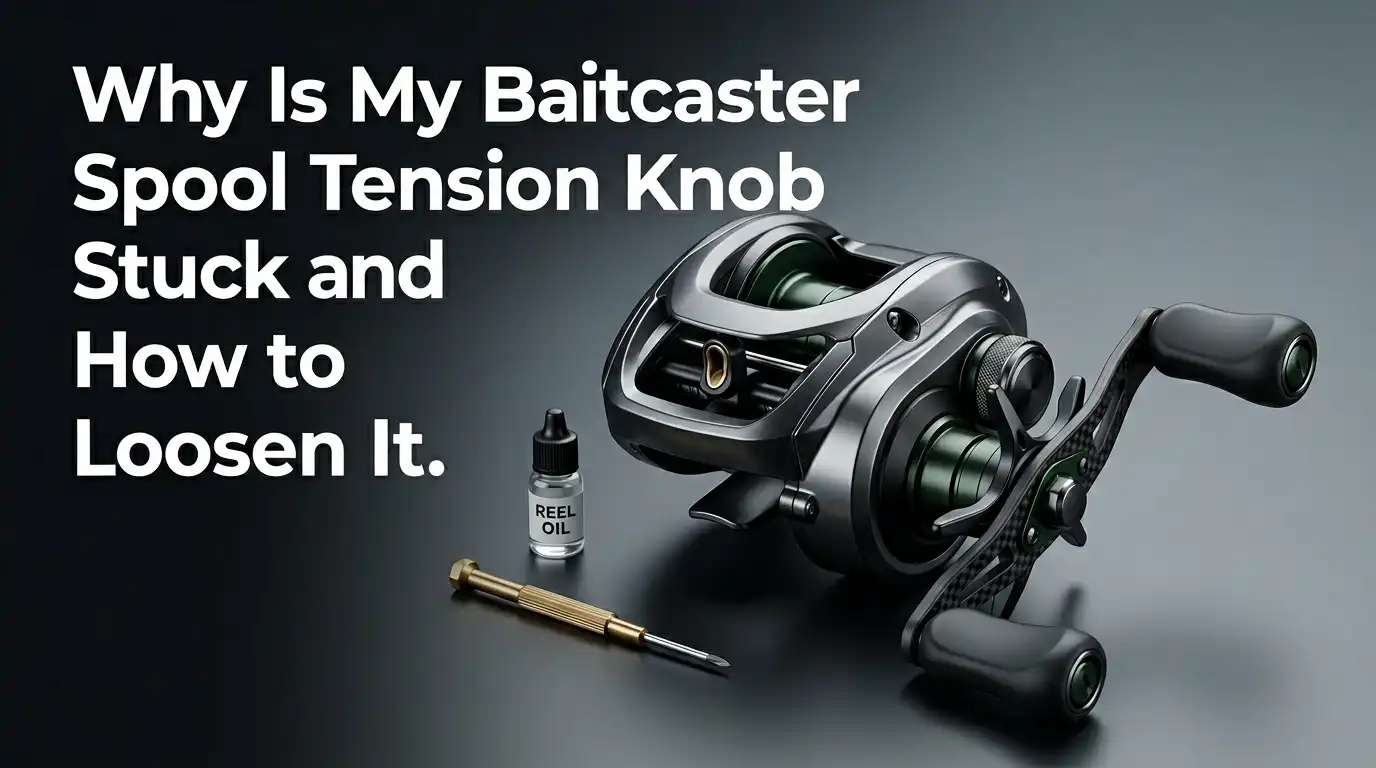
Why Is My Baitcaster Spool Tension Knob Stuck and How to Loosen It?
If your baitcaster spool tension knob will not move, you are probably dealing with one of a few common issues. Dirt can build up around the cap. Salt can dry inside the threads.
Old oil can turn sticky. A knob can also get cranked down too hard during setup. The good news is that most stuck knobs can be loosened at home without hurting the reel.
This guide gives you a simple path. You will learn what the knob does, why it sticks, how to loosen it safely, and when to stop before damage starts. If you want a fix that feels calm and clear, you are in the right place. Start with the gentle steps first. That choice saves a lot of reels.
Key Takeaways
- A stuck spool tension knob is usually caused by dirt, dried salt, old oil, or too much force. Reel makers like Abu Garcia, Shimano, and Daiwa all stress regular cleaning, light lubrication, and careful rinsing. That tells you something important. Most stuck knobs begin as a maintenance problem, not a major failure.
- The safest fix starts dry and gentle. Use your fingers first. Wipe the cap and frame. Remove visible grit. Try small back and forth turns instead of one hard twist. This slow method works better than panic force. It also lowers the chance of cracked caps, damaged threads, and bent spool parts.
- Light lubrication can help, but too much can make things worse. One small drop on the right area is often enough. Heavy sprays and soaking the reel with strong chemicals can push grime deeper or wash useful grease away. Less is more with baitcaster care.
- Saltwater use raises the risk fast. Shimano and Daiwa both warn anglers to rinse with low pressure fresh water and dry the reel well after use. Salt left on the reel can lock up moving parts in a short time. If your reel saw salt, treat that as a big clue.
- A stuck knob is not always the knob itself. Sometimes the spool shaft, spool bearing, or a thread issue creates the real bind. If the cap turns but tension feels wrong, look deeper. A false bottom feeling often points to a part alignment issue.
- Stop before you force a broken reel into a bigger repair. Pliers, strong heat, and direct penetrating spray inside the reel can create new damage. If the knob will not move after careful cleaning and light lubrication, a full teardown or reel service is the smart next step.
What the spool tension knob actually does
The spool tension knob controls side pressure on the spool. Its job is simple. It removes extra side to side play and helps the spool behave during the cast. Daiwa explains that the knob should be tightened only until side movement is limited. Then you fine tune for casting without making the spool drag too hard.
That detail matters because many anglers use this knob like a brake. It is not meant to be cranked down hard for every cast. Too much pressure can make the reel feel rough and stiff. It can also make the cap feel stuck later, especially if dirt or dried salt is already in the threads. A lightly set knob is easier to adjust, easier to clean, and less likely to seize after storage.
Why the spool tension knob gets stuck
Most stuck knobs come from a short list of causes. The big ones are dried salt, trapped dirt, old grease, dried oil, and simple over tightening. Abu Garcia recommends removing the spool tension knob during routine baitcaster cleaning. That advice tells you the area collects grime and needs attention.
Another cause is thread trouble. If the cap started crooked, the threads may bind. If an O ring or small washer sits wrong, the knob can feel jammed or stop in an odd place.
Corrosion is the worst case. It can lock the cap to the frame and make a normal hand turn feel impossible. The longer the reel sits wet or dirty, the more likely the knob becomes stubborn. That is why a small issue often turns into a bigger one after a few trips.
Check if the knob is truly stuck or just over tightened
Before you treat the reel like a repair job, make sure the knob is really stuck. Some knobs feel frozen when they are simply turned too far down. Put the reel in good light. Hold the handle side steady. Try a small counterclockwise turn with clean dry fingers. Then try a tiny clockwise turn. That back and forth feel tells you a lot.
If the knob gives even a little, it may just be over tightened. That is good news. You can usually walk it loose with short movements. If it does not move at all, do not force it yet.
A real stuck knob usually feels gritty, dead, or unusually hard from the first touch. A false stop can also mean the cap is bound by debris or a thread problem rather than actual tension on the spool.
Gather safe tools before you touch the knob
You do not need a big bench setup for this job. Start with a soft cloth, cotton swabs, a small soft brush, reel oil, and good light. A rubber jar opener or rubber glove can help you grip the cap without using metal tools. Abu Garcia lists simple reel care items like cloth, swabs, oil, and grease for regular maintenance, and that is a good model to follow.
Pros of this method: it keeps the process controlled, cheap, and low risk. You can feel what the reel is doing. You also avoid sudden damage from hard tools.
Cons: if corrosion is heavy, basic supplies may not solve the issue in one try.
Skip pliers at this stage. Skip hard metal picks. Skip direct blasts of strong spray inside the reel. The safest path is better grip, better cleaning, and tiny amounts of proper lubricant. That path fixes more stuck knobs than people expect.
Start with the dry and gentle method first
The first real fix should be simple. Wipe the knob and the area where it meets the frame. Brush away dust, sand, and dried grime. Then hold the reel body firmly and try tiny back and forth turns. Do not try one hard twist. Use a gentle rocking motion. That often breaks the bond of light debris around the threads.
A rubber glove or rubber grip pad helps a lot here. It gives you more control without crushing the cap. Pros: this method is safe, clean, and often enough for light buildup. It also protects the finish and threads.
Cons: it can feel slow, and it will not beat real corrosion on its own.
If the knob begins to move, keep working it little by little. Back it out, wipe the exposed area, and continue slowly. That patient approach often saves you from a full teardown.
Use light lubrication the right way
If the dry method does not work, add a very small amount of reel oil around the seam where the knob meets the reel side. Abu Garcia advises a small drop on baitcaster spool related bearings, and Daiwa also says one drop is enough for spool bearings. That same light hand is smart here too. You want help, not a flood.
Let the oil sit for a few minutes. Then try the same back and forth motion. Pros: light oil can soften old residue and help the threads release. It is easy to control and easy to clean.
Cons: too much oil can attract dirt later, and the wrong spray can wash away useful grease.
Do not drown the reel. Daiwa warns against using penetrating lubricant sprays directly in reels because they can strip grease from bearings and gears. A tiny amount of proper reel oil is the safer choice.
Break salt and grime buildup safely
If the reel has seen saltwater, dried salt is a prime suspect. Shimano recommends rinsing baitcasting reels with low pressure fresh water, rotating the spool during the rinse, brushing the exterior, and drying the reel well. Daiwa gives similar advice and warns that salt can start damaging reel parts quickly.
For a stuck tension knob, use that same idea in a careful way. Mist the outside lightly with fresh water. Do not blast it. Wipe it down. Dry it well. Then try loosening the knob again. If the reel was heavily exposed to salt, repeat the gentle clean and dry cycle once more before adding a tiny drop of oil.
Pros: this method attacks one of the most common causes and avoids pushing salt deeper with pressure.
Cons: it takes patience, and severe salt corrosion may still need a teardown or service.
Fix thread problems and false bottom issues
Sometimes the cap is not seized by dirt at all. Sometimes the threads are the issue. If the knob starts to turn but feels crooked, catches in one spot, or tightens too early, the cap may be cross threaded. A misplaced O ring or washer can also create a false stop. The reel feels tight, but the pressure is wrong.
If you get the knob off, inspect the threads closely. Clean them with a cotton swab and soft brush. Look for flattened thread edges, grit, or rubber parts sitting out of place. Pros of checking threads: you may solve a repeating problem at the source. A clean thread track makes future adjustment much smoother.
Cons: damaged threads do not heal with cleaning. If the cap or frame threads are chewed up, replacement parts or service may be needed.
Never force a crooked cap back on. Start it slowly and square.
Know when the spool shaft or bearing is the real problem
A stuck feeling near the tension knob can come from deeper inside the reel. Abu Garcia notes that the spool housing, spool shaft areas, and spool tensioner bearing all need cleaning and light oil. If those parts are dirty, the cap may seem like the problem even though the spool or bearing is binding.
Remove the side plate and spool if your reel design allows easy access. Wipe the spool shaft clean. Check the shaft ends for grime or rust. Put one tiny drop of oil on the correct bearing points only. Then test the reel again. Pros: this method finds hidden resistance and can restore smooth adjustment fast.
Cons: it takes more care, and small parts can be lost if you rush.
If the spool shaft looks bent or the bearing feels rough, stop there. A bent or damaged part will keep causing trouble until it is repaired.
Full cleaning steps if the simple fixes fail
If the knob still will not move, a more complete clean may be the right step. Abu Garcia suggests removing the spool tension knob, side plate, and spool during routine baitcaster maintenance, then wiping debris from the spool housing, spool, and frame before adding light lubrication. That routine gives you a good map for a deeper reset.
Work on a clean towel. Remove parts slowly. Keep each piece in order. Wipe all grime from the cap, thread area, spool shaft, and nearby frame surfaces. Use swabs for tight spaces. Add only a tiny amount of oil where needed. Do not over grease or over oil anything. Reassemble carefully and test the knob.
Pros: a full clean solves hidden buildup and gives the reel a fresh start.
Cons: it takes time, focus, and confidence with small parts. If you are unsure, professional reel service is safer than guessing.
Mistakes that make the knob harder to loosen
A lot of stuck knobs come from good intentions mixed with bad methods. One common mistake is using high pressure water. Shimano and Daiwa both warn against aggressive washing because it can push water, salt, and debris deeper into the reel. Another mistake is over oiling. Extra oil collects dirt and can slow parts that should stay crisp.
A third mistake is using force too early. Pliers can scar the cap. Hard twisting can crack plastic caps or damage fine threads. Another big mistake is storing the reel wet with the knob cranked down tight. That is a perfect setup for salt, grime, and pressure to lock things together.
The easy rule is this. Clean lightly, dry fully, lubricate sparingly, and adjust gently. That simple habit beats most knob problems before they start.
How to stop it from happening again
Prevention is easier than repair. After each trip, wipe the reel down. If you fish saltwater, use a low pressure fresh water rinse and dry the reel well. Shimano says to loosen the star drag and let the reel dry in a cool place. Daiwa also advises drying out of direct sun and washing gear after every outing. Those habits cut down on corrosion and stuck parts.
Check the tension knob during normal cleaning. Back it off, wipe the area, and apply only a tiny amount of proper oil where needed. Set the knob lightly during use. Do not crush the spool with extra pressure. Also store the reel clean and dry, not tossed in a damp compartment.
Pros of prevention: less repair work, smoother casting, and longer reel life.
Cons: it takes a few extra minutes after each trip. Those minutes are far cheaper than replacing damaged parts.
When you should stop and get reel service
There is a point where home fixes stop being smart. If the knob will not move after gentle cleaning, light oil, and a careful inspection, deeper damage may be present. Severe salt corrosion, stripped threads, cracked caps, bent spool shafts, and rough bearings usually need parts or trained service.
You should also stop if the reel was dunked in saltwater. Daiwa says a fully immersed reel should be stripped and rebuilt quickly because salt can start harming parts within days. That is a serious warning. If the reel feels gritty deep inside or parts look rusty, service is the safer move.
There is no shame in stopping before damage gets worse. A small service bill is often better than turning one stuck knob into a broken frame, a ruined cap, and a reel that never feels right again.
FAQs
Can I use pliers to loosen a stuck baitcaster spool tension knob
Use pliers only as a last resort, and even then, protect the cap with thick rubber and very light pressure. In most cases, pliers do more harm than help. They can crack the cap, scar the finish, or deform the threads. Finger pressure with rubber grip is the safer first choice.
Why does my spool tension knob feel tight even after it loosens
The cap may be free, but the spool shaft or spool bearing may still be dirty or dry. Old residue inside the spool area can create drag that feels like knob trouble. Clean the spool shaft and inspect the nearby bearing points. If the rough feeling stays, a worn bearing may be the real issue.
Should I rinse my baitcaster after every trip
Yes, especially after saltwater use. Major reel makers advise a gentle fresh water rinse, careful drying, and regular maintenance. Use low pressure water only. Do not blast the reel with a hose. That can push grime deeper into the reel and create more problems later.
How tight should the spool tension knob be after I fix it
Set it lightly. The goal is to remove extra side play without forcing the spool hard against the reel. Daiwa explains that you tighten until side movement is limited, then fine tune so the spool behaves during the cast. If you crank it down hard, you raise the chance of future sticking and poor casting.
Can salt really make the knob stick that fast
Yes. Salt dries into a hard residue and also speeds up corrosion. Daiwa warns that saltwater can start damaging reel components within days after immersion. Shimano also stresses careful rinsing and drying after use. If your reel saw salt, treat the knob area early before buildup locks it up.

Hi, I’m Ivy Webb, the passionate angler and creator behind BaitHookVault.com. I spend my days out on the water personally testing and reviewing a wide variety of fishing tools and gear.