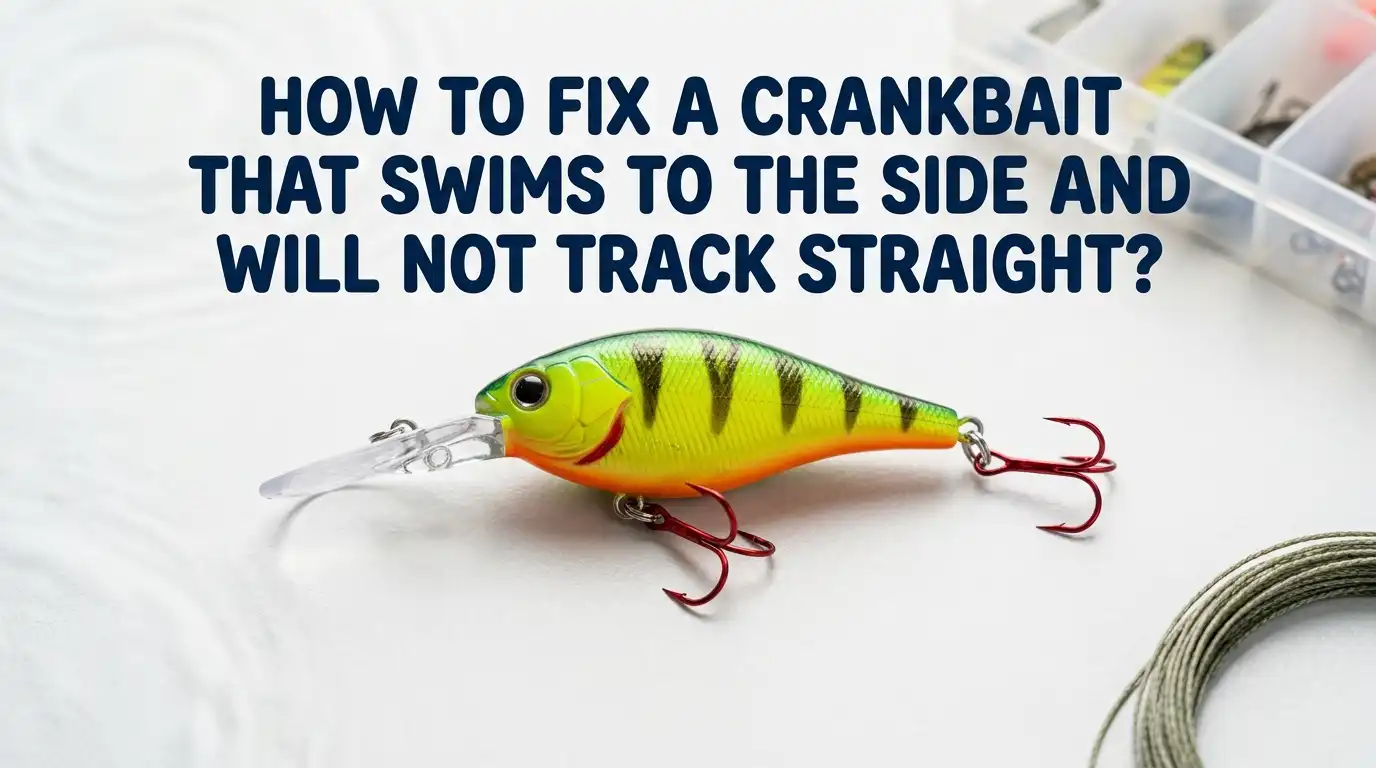
How to Fix a Crankbait That Swims to the Side and Will Not Track Straight?
A crankbait that pulls to one side ruins a good cast and kills your bite count. You reach into your tackle box, pick a proven lure, fire a perfect cast, and then the bait swims sideways or rolls back to the surface.
It feels like the lure is broken. The good news is simple. Most crankbaits that swim crooked can be fixed in under two minutes with one small tool and a few easy adjustments.
This guide walks you through every cause and every fix in plain steps. By the end, you will know how to read your bait, bend the right part, and get it tracking dead straight again.
In a Nutshell:
- The line tie is the fix point. Almost every off track crankbait gets corrected by gently bending the line tie eye, not the bill or the body.
- Bend opposite to the run. If the bait pulls left, bend the eye right. If it pulls right, bend the eye left. The bait follows the eye in the opposite direction.
- Tiny moves win. Make very small adjustments. A bend the width of a hair can change everything. Over bending sends the bait sliding the other way.
- Test with a fast retrieve. Speed up the bait near the boat or bank to expose the lean. A slow crank hides the problem.
- Remove the snap and swivel doubt. Heavy snaps, swivels, and frayed line all cause false tracking issues. Check these before you bend anything.
- Some baits never tune. A cracked bill, twisted lip, or worn out wire eye may be beyond repair. Knowing when to stop saves your day.
Why Your Crankbait Swims to the Side in the First Place
A crankbait runs crooked because something pulls it off balance. The most common reason is a bent line tie. This is the small wire loop where you attach your line.
A fish fighting in the net, a hard hookset, or twisting pliers to free a hook can bend that wire a fraction of an inch. That tiny shift makes a straight running bait suddenly veer left or right. Sometimes the bait comes crooked straight from the package because the wire was not aligned during molding.
Other causes include a warped or chipped bill, line twist, or a heavy snap. Knowing the cause matters because each one has a different fix. Start by ruling out the easy stuff before you touch the wire.
How to Tell Which Way Your Crankbait Is Running
You cannot fix the lean until you see it clearly. Stand near the water and make a short cast. Point your rod tip straight at the bait and lower it close to the surface. Now reel the bait back as fast as you can.
A fast retrieve exposes the lean that a slow crank hides. Watch the bait carefully as it comes toward you. If it slides toward your left shoulder, it is running left.
If it pulls toward your right, it is running right. A badly tuned bait may even spiral or roll over and shoot to the surface. Make a mental note of the direction. This single observation tells you exactly which way to bend the line tie in the next step.
The Number One Fix: Bending the Line Tie Eye
This is the fix that solves most crooked crankbaits. You only need a pair of needle nose pliers or a purpose built tuning tool. The rule is simple. Bend the line tie in the opposite direction of the way the bait runs.
If the bait pulls left, bend the eye slightly to the right. If it pulls right, bend the eye slightly to the left. Grip the wire eye gently and make a tiny twist, no more than a hair’s width.
The bait follows the eye in the opposite direction of the bend. Cast again, do the fast retrieve, and check the result. Repeat the small bends until the bait tracks straight. Most baits tune perfectly in two or three small adjustments.
Pros: This fix is fast, free, and works on almost every diving crankbait. It needs no extra cost and takes under two minutes.
Cons: Over bending is easy and can push the bait off the other way. Repeated bends weaken the wire over time.
Using Needle Nose Pliers the Right Way
Needle nose pliers are the classic tuning tool because most anglers already own a pair. Grip the very base of the line tie eye, not the tip. Holding near the base gives you control and stops you from twisting the whole eye out of shape.
Make one small bend, then stop and test. Resist the urge to bend hard. The wire is soft and reacts to even gentle pressure. Choose stainless steel or aluminum pliers if you fish saltwater or damp gear, since these resist rust.
Avoid touching the bill with the pliers, because metal jaws scratch the clear plastic and can crack it. Slow, patient, and small is the winning method. Pliers give you full control once you train your hands to make tiny moves.
Pros: Cheap, common, and most anglers already carry them. They work on every lure size.
Cons: Easy to over tune. The metal jaws can scratch the bill, and beginners often bend too far.
Using a Dedicated Crankbait Tuning Tool
A purpose built tuner solves the over bending problem. These tools look like special pliers with one jaw longer than the other. One jaw rests on the line tie, and the other rests against the edge of the bill.
Many models include a slip clutch or spring that applies the same gentle pressure every time. This stops you from bending too far. The plastic jaws will not scratch or crack the bill the way metal pliers can.
Set the spring tension once, then tune every bait with the same controlled pressure. This makes tuning fast and repeatable across a whole box of lures. For anglers who troll or fish cranks all day, this tool removes the guesswork and protects your baits from damage.
Pros: Prevents over bending, protects the bill, and gives repeatable results across many baits.
Cons: Costs extra and is one more item to carry. It is overkill for someone who rarely fishes crankbaits.
How to Tune a Crankbait While Casting From Shore or a Still Boat
Casting is the best way to tune for most anglers. Keep the boat still or let it drift slowly, then cast the bait a short distance. Point your rod tip right at the lure and drop the tip near the water. Reel back as fast as possible and watch the bait.
The fast retrieve forces any lean to show itself. Make your small line tie adjustment, then cast again and repeat. Usually two or three casts get the bait running dead straight.
This method gives you a clean, undisturbed view of the bait’s path. It works the same from a dock, a bank, or a kayak. Casting to tune is reliable because you control the speed and the angle every single time.
How to Tune a Crankbait While Trolling
Trolling anglers can tune on the move, but one mistake ruins the read. Never let the bait run straight off the back of the boat to check it. The moving boat creates a back eddy of churned water directly behind it.
That disturbed water gives a false picture of how the bait runs. Instead, walk to the front or side of the boat. Pull the crankbait along the side where the water is clean and steady. Sweep your rod tip forward to speed the bait up and watch which way it leans.
Make the small line tie bend, then test again along the side. This clean water gives you an honest read. Tuning along the side, not the back, is the key to trolling accuracy.
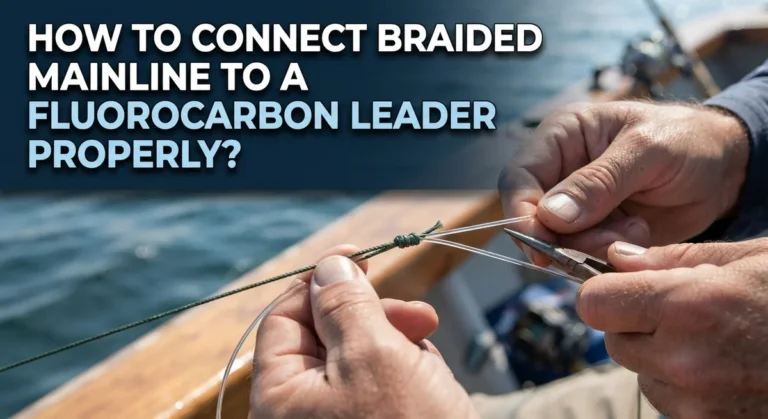
Check Your Line, Snap, and Swivel Before You Bend Anything
Sometimes the bait is fine and your tackle is the problem. A heavy snap or a bulky swivel changes how a crankbait sits and swims. Remove the swivel first, because a swivel adds weight at the nose and kills the action.
Tie directly to the line tie or use a small, light snap instead. Check your line for twist, since a twisted line spins the bait and makes it look out of tune. Frayed or nicked line near the knot also throws off the balance. Cut back and retie if the line looks damaged.
Run through these quick checks before you reach for the pliers. You may find the bait swims true once the snap or swivel is gone. Fixing the connection often fixes the lean.
Pros: Costs nothing and takes seconds. It can solve the problem without touching the lure at all.
Cons: It only helps when tackle is the cause. A truly bent eye still needs a manual tune.
How to Fix a Crankbait That Blows Out at High Speed
A bait that runs fine slow but rolls out and shoots to the surface at speed has a tuning issue. This blow out usually means the line tie sits slightly off center. When you crank fast, the water pressure exaggerates that small error and the bait loses its grip and rolls over.
Slow down first and watch which way it leans before it blows out. Then make a tiny line tie bend in the opposite direction. Test at the same fast speed you fish.
If the bait still blows out after several small bends, check the bill for warping or cracks. A bent bill cannot be fixed with the eye. Match the bait to a speed it can handle if the tune will not hold at high speed.
When the Bill Is the Problem, Not the Line Tie
The line tie fixes most issues, but a damaged bill is a different story. Look closely at the diving lip for cracks, warps, or a twist to one side. Hold the bait at eye level and sight down the bill to see if it sits crooked.
A warped or twisted bill pulls the bait sideways no matter how you bend the eye. Hard impacts against rocks, docks, and concrete cause most bill damage. On some hard plastic baits, you can gently warm a slightly warped bill with warm water and ease it back.
A cracked bill cannot be trusted, because it will worsen and may break off mid cast. If the bill is truly twisted or split, the bait is usually done. Sight the bill early so you do not waste time bending an eye that will never help.
How to Make a Crankbait Run Sideways on Purpose
A side running bait is not always a problem. Sometimes you want the bait to track at an angle to hug cover. Picture a long rip rap bank that runs for a few hundred yards.
A bait that runs straight stays parallel and never touches the rocks. A small line tie bend makes the bait drift toward the wall and deflect off the rocks. Those deflections trigger reaction strikes from bass holding tight to cover.
Bend the eye toward the side you want the bait to swim, then test the angle. Make the bend small so the bait still swims with good action. This trick turns a tuning skill into a fishing tactic. Use it to steer baits under docks, along walls, and into hard to reach spots.
When to Stop Tuning and Replace the Bait
Not every crankbait can be saved, and knowing when to quit protects your fishing time. A wire eye that has been bent many times becomes soft and will no longer hold a tune. When the eye flexes too easily and the bait drifts off after every cast, the wire is worn out.
A cracked or twisted bill is another stopping point. No amount of eye bending fixes a damaged lip. If you have made six or more small bends and the bait still will not track straight, set it aside.
Some baits simply leave the factory with poor quality control and never tune well. Spending your whole day fighting one stubborn lure costs you fish. Retire the bait, grab a fresh one, and get your line back in the water.
Simple Habits That Keep Your Crankbaits Tracking Straight
A little care keeps your baits running true and saves tuning time on the water. Free hooks gently instead of twisting hard with pliers, since rough hook removal bends the line tie. Land big fish with care so the net does not crank the wire out of shape.
Store baits so the bills and eyes do not press against other lures. Check each new bait at home with a quick tank or sink test before your trip.
Carry a small tuning tool or needle nose pliers in your boat or pack at all times. Tie directly to the eye or use a light snap and skip the swivel. These small habits mean fewer crooked baits and more time fishing. Prevention is faster than repair every single time.
Frequently Asked Questions
Which way do I bend the line tie if my crankbait runs left?
Bend the line tie eye to the right. The bait always moves in the opposite direction of the bend. Make a tiny adjustment, then test with a fast retrieve and repeat if needed.
Can I tune a crankbait with regular pliers?
Yes. Needle nose pliers work well for tuning crankbaits. Grip the base of the line tie and make small bends. Avoid touching the bill, since metal jaws can scratch or crack it.
Why does my crankbait spin and twist my line?
A crankbait that rolls over and spins is usually out of tune or running too fast. Slow down and bend the line tie to correct the lean. Remove any swivel and retie if the line is twisted.
How many times can I retune the same crankbait?
There is no fixed limit, but each bend weakens the wire eye a little. After many tunes, the wire grows soft and stops holding. When it will no longer track straight, replace the bait.
Does a snap or swivel affect how my crankbait swims?
Yes. A heavy snap or any swivel adds nose weight and kills the action. Tie directly to the eye or use a small, light snap. Skip the swivel entirely for the truest swim.
Should I tune by trolling or casting?
Casting from a still boat or shore gives the cleanest read. The water behind a moving boat is churned and gives a false picture. If you troll, pull the bait along the side of the boat where the water is calm.

Hi, I’m Ivy Webb, the passionate angler and creator behind BaitHookVault.com. I spend my days out on the water personally testing and reviewing a wide variety of fishing tools and gear.