How to Revive Dried Out Pork Rind Jig Trailers?
Pork rind jig trailers have hooked bass anglers for over a century. They flutter, float, and trigger strikes like nothing else. But there is one big problem every pork user faces. Leave the jar lid loose, and your favorite frogs and strips turn into stiff, leathery crisps.
The good news is that dried pork rind is rarely a lost cause. With the right brine, the right soak time, and a little patience, you can bring those shriveled trailers back to fish ready condition.
This 2026 guide walks you through every method that actually works. You will learn how to rehydrate, soften, restore color, and store your pork the right way so it never dries out again.
In a Nutshell
- Salt brine is the gold standard for reviving dried pork rind. A boiling mix of water and sea salt rebuilds the soft, floating texture that fish love.
- Glycerin and water solutions add long term moisture retention and keep pork rinds flexible for months even after heavy use.
- Always rehydrate slowly. Quick soaks in plain water can ruin the rind, turn it mushy, and strip away the natural oils that give pork its action.
- Store your trailers in glass jars with airtight lids, fully submerged in brine. This single habit prevents 90 percent of drying problems.
- Dye and scent restoration can be done during the rehydration step using fishing safe dyes and oils, saving time and effort.
- Pork rind is now harder to find in 2026, so reviving old stock is more valuable than ever. A revived jar can outlast a season of jig fishing.
Why Pork Rind Jig Trailers Dry Out in the First Place
Pork rind is cured animal skin, mostly fat and collagen. It needs constant moisture to stay soft and flexible. The moment air hits the rind, evaporation begins. The salt brine in the jar also evaporates over time, leaving the pork exposed.
Most drying happens for three simple reasons. The jar lid was left loose. The pork was left clipped on a jig after fishing. Or the jar got too hot in a tackle box, boat hatch, or truck bed.
Heat speeds up drying drastically. A jar left in a sunny boat compartment can dry out in a single afternoon. Once dry, the rind becomes stiff, curls up, and loses its lifelike swimming action. Knowing the cause helps you prevent the next round of dried out trailers.
Inspect Your Pork Before You Try to Revive It
Before you start any rescue process, take a close look at your dried pork rinds. Not every piece is worth saving. Mold, sour smell, or a slimy yellow film means the rind has gone bad and should be thrown out.
Healthy dried pork looks pale, feels stiff, and may have salt crystals on the surface. That is perfect for reviving. If the rind is brittle and cracks when bent, it can still come back with the right soak.
Check the original jar too. Dried up brine often turns into a hard salt crust at the bottom. You can scrape this out and reuse it in your new brine mix. This saves salt and keeps the original flavor profile fish are used to. A quick rinse under cool water removes loose debris before rehydration starts.
Pros of inspecting first include avoiding wasted effort and protecting your gear from bad bait. The only con is that it takes a few extra minutes before the fun part begins.
Method One: The Classic Salt Brine Soak
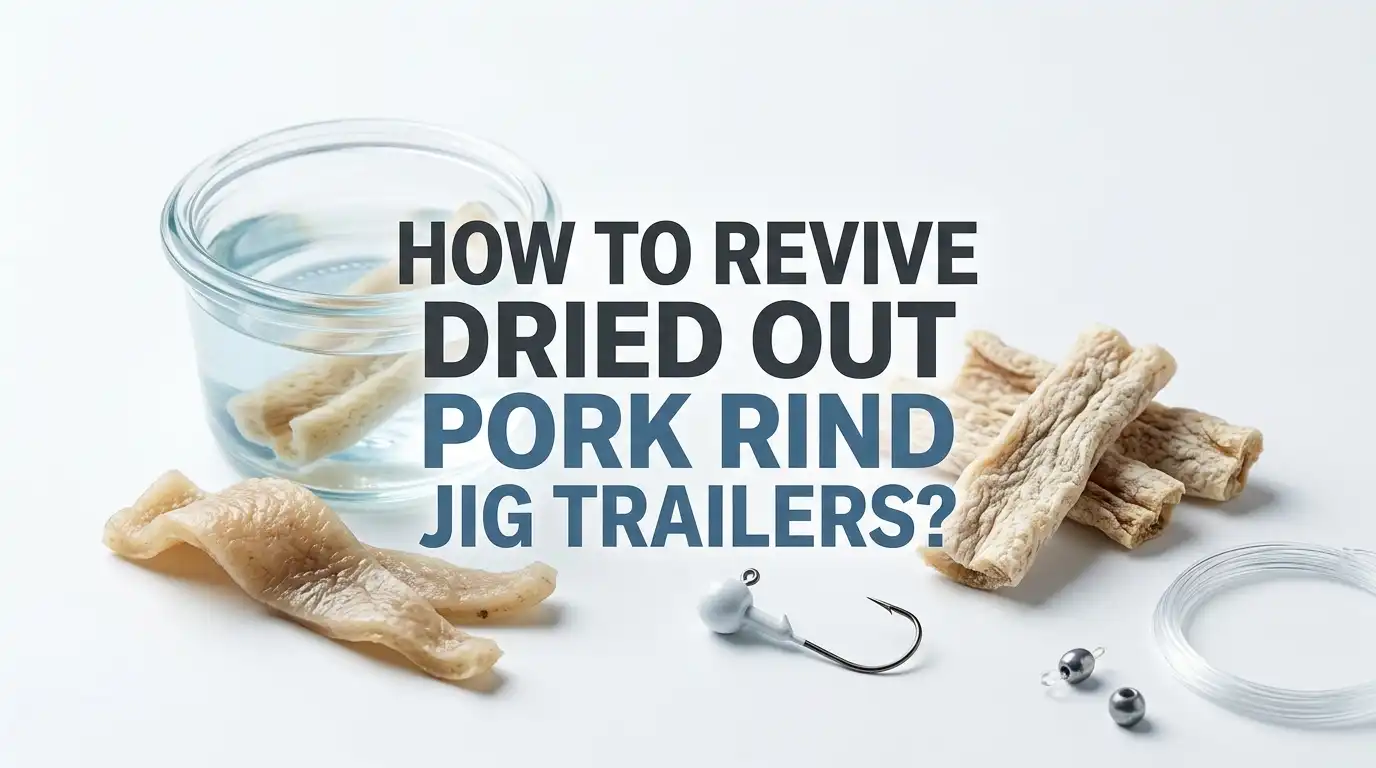
The salt brine method is the most trusted way to bring pork rind back to life. It is the same method Uncle Josh used for decades. Start by boiling two cups of water and slowly stirring in one cup of non iodized sea salt until fully dissolved.
Let the brine cool to room temperature. Place your dried pork rinds in a clean glass jar. Pour the cooled brine over the pork until every piece is fully submerged. Seal the jar tightly and let it sit for 48 to 72 hours.
After the soak, your pork should feel soft, pliable, and slightly floaty. The high salt content keeps the rind buoyant, which is exactly what gives pork trailers their famous slow falling action.
Pros include cheap ingredients, long shelf life, and authentic results. Cons are the wait time and the strong salty smell. Some anglers also find the brine can be too aggressive on very thin strips, so keep an eye on them.
Method Two: The Glycerin and Water Blend
Glycerin is a food safe liquid that holds onto moisture. Anglers use it because it stops pork rinds from drying out, even after repeated trips out of the jar. To make this blend, mix one part food grade glycerin with three parts warm water. Add a tablespoon of salt for preservation.
Drop your dried pork rinds into the mixture and let them soak for 24 to 48 hours. The glycerin slowly seeps into the rind, replacing lost moisture and keeping the texture soft for the long haul.
This method is great for anglers who fish in hot climates where rinds dry out fast. It also works well for thin strips that might get too floppy in pure salt brine.
Pros include long lasting softness and a more flexible feel. Cons are the cost of glycerin and the slightly slick texture, which some anglers say reduces the natural pork action. Test a few pieces first before treating your whole stash.
Method Three: The Boiled Salt Pork Revival
If your pork rinds are extremely dried out and stiff like cardboard, a gentle boil can help. Bring a pot of water with half a cup of sea salt to a slow simmer. Drop the dried pork in for just two to three minutes. Any longer and the rind will turn mushy.
Remove the pork with a slotted spoon and place it straight into a jar of cool salt brine. The heat opens up the collagen structure, letting moisture rush back into the rind faster than a cold soak.
This method works best on thick pork frogs and chunks, not thin strips. Thin strips can fall apart with heat. Always use low heat and watch the clock.
Pros include faster results and great revival for very dry pork. Cons include the risk of overcooking and the smell of boiling pork fat, which is strong. Open a window before you start.
Method Four: Adding Glycerin to Existing Brine
Sometimes your pork is not fully dried, just stiffening up. In this case, you do not need a full rehydration. Simply add a tablespoon of glycerin straight into the existing jar of brine. Give it a good shake.
Over the next day or two, the glycerin spreads through the brine and into the pork. The rinds slowly return to their soft state without needing to be removed or boiled. This is the easiest maintenance method.
Use this trick monthly to keep your active jars in top shape. It costs almost nothing and adds months of life to your pork supply.
Pros include simplicity, no mess, and no risk of ruining the pork. Cons are that it only works for partially dried rinds, not fully crispy ones. If your pork is bone dry, go back to method one or three for better results.
Restoring Color to Faded Pork Rinds
Dried pork often loses its color along with its moisture. Black frogs turn gray, brown chunks turn tan, and white strips can yellow. The good news is that color can be restored during the rehydration step.
Use a fishing safe dye or a small amount of liquid food coloring. Rit liquid dye works well, mixed at a ratio of one part dye to four parts warm water. Add this to your brine before soaking the pork.
Let the rinds sit in the colored brine for 24 hours. Check the color and add more dye if needed. The pork absorbs the color along with the moisture, giving you a fresh, vibrant trailer.
Pros include custom colors and revived appearance. Cons are the potential for uneven coloring and stained hands. Wear gloves and use a glass jar you do not mind staining.
Adding Scent and Attractant During Revival
While you have your pork soaking, this is the perfect time to load it with scent. Fish oil, garlic oil, or commercial bass attractants can be added straight to the brine. The pork absorbs scent like a sponge during the soak.
Add about a teaspoon of your chosen scent per cup of brine. Mix well and let the pork soak for the normal time. Once revived, your trailers will not only look alive but smell irresistible to bass.
Scent loaded pork has a real edge in cold water, when fish hold onto baits longer and rely more on smell. This is one reason many anglers still prefer pork over plastic.
Pros include better bite holding and increased strikes. Cons include a stronger smell in your tackle box and the need to refresh scent every few weeks. Always store scented pork in a separate jar from unscented pork.
Storing Revived Pork Rinds the Right Way
Reviving pork is only half the battle. Proper storage keeps it soft for months or even years. Always use glass jars with airtight plastic or metal lids. Make sure the brine fully covers every piece of pork.
Keep your jars in a cool, dark place. Avoid hot truck cabs, sunny boat decks, and tackle bags that bake in the sun. Heat is the enemy of pork rind, even when it is sealed.
Top off the brine every month or two. Evaporation is sneaky, and a half empty jar will dry out the top pieces fast. Some anglers keep a small bottle of pre mixed brine in their boat for quick refills.
Pros of good storage include long bait life and consistent performance. Cons include the need for a dedicated storage spot and the weight of glass jars on the water.
Preventing Dryout on the Water
The moment you clip a pork trailer on your jig, the drying clock starts. To slow it down, never leave pork on your jig between casts for long periods without dipping it in water. A quick splash keeps the surface moist.
When you take a break or switch lures, put the pork back in its jar right away. Even ten minutes in the sun can stiffen a thin strip. Some anglers carry a small plastic cup of brine on the deck for quick storage during fast lure changes.
A lure wrap with foam rubber keeps pork moist on rigged jigs in your tackle box. Soak the foam in brine and the pork stays soft between trips.
Pros include longer trailer life and better action. Cons include the extra step of moving pork in and out of jars. The habit is worth it.
When to Replace Instead of Revive
Sometimes pork is just too far gone. If your rind smells rotten, feels slimy, or has visible mold, throw it out. Old pork can also become brittle to the point where it cracks on every cast.
Pork that has been dried and revived more than three or four times tends to lose its lifelike action. The collagen breaks down and the rind becomes either too soft or too rubbery. At that point, it is time for fresh stock.
Pork rind has become harder to source in 2026 after Uncle Josh’s production ups and downs. If you find a good supply, take care of it. Modern synthetic alternatives exist, but many anglers still believe nothing beats real pork for cold water jigging.
Pros of replacing include guaranteed performance. Cons include the cost and limited availability of new pork rind today.
Final Tips for Long Term Pork Rind Care
A few small habits will keep your pork trailers fishing strong for years. Always label your jars with the date and method used for rehydration. This helps you track what works best.
Rotate your jars every few months. Pork at the top of the jar dries out first, so flipping the jar keeps moisture evenly distributed. Add a single drop of glycerin every refill to extend softness.
Keep a small repair kit in your boat with extra brine, a spare jar, and a bottle of glycerin. If a jar cracks or dries out on the water, you can save your trailers in minutes.
Pros of long term care include saving money, preserving rare bait, and always having soft pork ready. Cons are minor, mostly the time it takes to maintain your stash. The trade off is worth every minute on the water.
FAQs
How long does it take to revive dried pork rind jig trailers?
A standard salt brine soak takes 48 to 72 hours. A glycerin and water blend takes about 24 to 48 hours. Severely dried pork may need a quick boil first, followed by a brine soak for full results.
Can I use table salt instead of sea salt for the brine?
Avoid iodized table salt. The iodine and anti caking agents can damage the pork and affect its scent. Use non iodized sea salt or kosher salt for the best results and longest shelf life.
Is glycerin safe to use on fishing bait?
Yes, food grade glycerin is completely safe for both the angler and the fish. It is used in many commercial bait preservatives and helps pork rinds stay soft and flexible without harmful side effects.
Why does my revived pork rind float so high?
A high salt brine makes pork buoyant by design. This floating action is what makes pork rind so effective on jigs, since it lifts the trailer and creates a natural fluttering motion fish find hard to resist.
Can I revive pork rind that has been dried out for years?
In many cases, yes. As long as the pork is not moldy or sour smelling, even decades old pork can come back with a proper soak. Boiled brine revival works best for very old, stiff pork pieces.
How often should I top off the brine in my pork rind jar?
Check your jars every month and top off the brine when the level drops. Adding a fresh splash of salt water and a drop of glycerin keeps your pork soft, floating, and ready for the next trip.
Are synthetic pork trailers as good as real pork rind?
Synthetic trailers have improved a lot and never dry out, which is a big plus. However, many anglers still find that real pork has a softer feel, better scent absorption, and a more natural action in cold water.

Hi, I’m Ivy Webb, the passionate angler and creator behind BaitHookVault.com. I spend my days out on the water personally testing and reviewing a wide variety of fishing tools and gear.