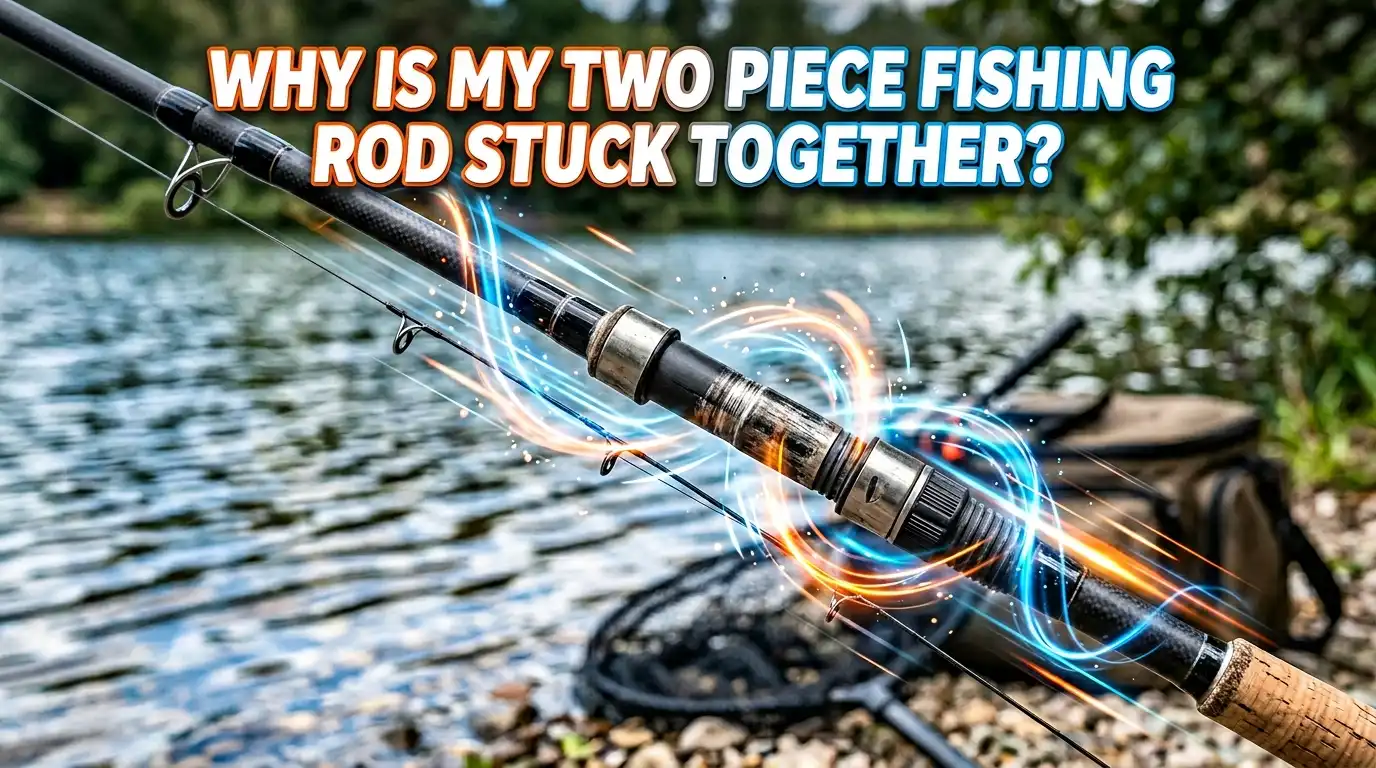
Why Is My Two Piece Fishing Rod Stuck Together?
You head out for a great day on the water. The fish are biting. You reel in your gear at the end of the day. Then you try to take your rod apart, and it will not budge. The two pieces feel welded together.
Sound familiar? A stuck two piece fishing rod is one of the most common frustrations anglers face. The good news is that this problem has simple solutions. You do not need to force it, snap it, or buy a new rod.
This guide walks you through every reason your rod sticks and every safe method to fix it. You will learn quick tricks for the field and long term habits that keep this from happening again. Let us get your rod apart the right way.
In a Nutshell:
- The ferrule is the joint where the two rod sections connect. Most sticking happens here because of pressure, grit, or temperature changes during your fishing trip.
- Never force a stuck rod with brute strength. Pulling hard or twisting wildly can crack the blank or shatter the ferrule. Patience beats power every single time.
- The ice method is the safest fix. Cold makes the joint contract slightly, which loosens the grip and lets the sections slide apart without damage.
- Grip and leverage matter most. Using rubber gloves, an inner tube strip, or the behind the knees method gives you control and protects your hands.
- Clean ferrules stay loose. Sand, salt, and dirt cause most sticking problems, so wiping the joint after every trip prevents future headaches.
- Wax can help, but use the right kind. A small amount of ferrule wax keeps sections snug yet easy to separate. Too much grease attracts grit and makes things worse.
What Exactly Is a Ferrule on Your Fishing Rod?
The ferrule is the spot where two rod sections join together. One piece has a male end that slides into the female end of the other piece. This joint is the heart of any two piece rod. It must hold tight while you cast and fight fish, yet still come apart for storage.
Understanding the ferrule helps you fix sticking problems faster. Most rods today use a slip joint design, where graphite slides into graphite with no metal at all. Older or specialty rods may use metal ferrules instead.
Knowing your ferrule type matters because each one reacts differently to heat, cold, and grit. When you grasp how the joint works, you handle it with the right care and avoid the panic moves that break rods.
Why Does a Two Piece Rod Get Stuck in the First Place?
Several things make a rod lock up. The biggest cause is pressure from casting and fighting fish. Every cast pushes the male end deeper into the female end, wedging them tight over time. Temperature swings make this worse.
Warm graphite expands, and as the joint heats up on a sunny day, it seizes together. Moisture also plays a role, since water can create suction inside the joint. Dirt, sand, and salt build up on the ferrule surface and act like glue when they dry.
Finally, storing your rod assembled for long periods lets the sections fuse from constant contact. Knowing these causes helps you spot the real reason behind your stuck rod. Once you know why, the fix becomes clear and simple.
First Things First: What You Should Never Do
Before any fix, learn what to avoid. Panic causes more broken rods than the sticking itself. Never grab the rod by the guides or eyes to twist it. The guides bend, snap, and leave you with a damaged rod and sore hands.
Avoid using pliers, wrenches, or any metal tool directly on the blank. These tools crush graphite instantly. Do not yank the sections straight apart with all your strength either, since a sudden slip can send the rod flying or crack the ferrule.
Stay away from harsh heat sources like open flames or stovetops, because too much heat melts the resin that holds the graphite together. Keep your movements slow and steady. The right approach is gentle and patient. Rushing only turns a small problem into an expensive repair.
The Simple Twist and Pull Method
Start with the easiest fix before trying anything fancy. Hold one rod section in each hand, placing your hands as close to the ferrule joint as you safely can. This grip gives you the most control.
Pull straight apart with a firm, steady force while gently twisting at the same time. The twist breaks the seal between the two surfaces. Never jerk or snap the rod. Use smooth pressure instead. Many stuck rods come apart on the first try with this method alone.
Pros: This method needs no tools and works fast for mild sticking. You can do it anywhere, even on the boat. It is the safest first step.
Cons: It fails on badly stuck rods. Twisting too hard risks cracking the ferrule if the joint is truly seized tight.
The Behind the Knees Method for Extra Leverage
When a straight pull fails, your body can give you more power safely. Sit down and place the rod behind your knees with the ferrule joint centered. Your legs do the steady work here.
Grip each section firmly with your hands, then press your knees outward while pulling your hands apart. This spreads the force evenly and keeps your grip controlled.
The movement uses your strong leg muscles instead of relying only on your arms. Many anglers swear by this trick for stubborn graphite rods. The key is slow, even pressure rather than a sudden push.
Pros: It gives strong leverage without tools. The even force protects the rod from twisting damage. It works well for one person alone.
Cons: It can feel awkward at first. If you press too fast, the sections may slip apart suddenly and surprise you.
The Ice Method: A Reliable Field Fix
Cold is your best friend for a truly stuck rod. Ice makes the joint contract and loosens its grip. Grab a bag of ice or a cold pack and wrap it around the ferrule joint. Leave the ice on for 10 to 15 minutes so the cold reaches deep into the graphite.
The chilled male end shrinks slightly, which creates just enough space to slide it free. After the wait, try the twist and pull method again. The sections usually separate with ease. Some anglers carry a small cooler with ice for exactly this reason. This trick has saved countless rods on the water.
Pros: It is gentle, safe, and very effective even on badly stuck joints. It will not harm the graphite or resin.
Cons: It takes time and you need ice on hand. It works slower in hot weather since the ice melts fast.
The Rubber Grip Trick for Slippery Hands
A weak grip is often the real problem, not a truly stuck rod. Better traction can solve sticking instantly. Reach for rubber gloves, the kind you use for cleaning or for handling jar lids.
Wrap a strip of an old bicycle inner tube around each section if you have one handy. Shelf liner, a rubber dish mat, or even a rubber band ball works too.
These materials give your hands a strong, non slip hold on the smooth rod blank. With solid grip, your normal pull suddenly works. Place one grip on each side of the ferrule and pull apart while twisting gently.
Pros: It costs almost nothing and uses items you already own. The rubber protects the rod finish too. It boosts grip without any risk.
Cons: It does not help if the joint is fused from heat or grit. You still need the ice method for severe cases.
The Two Person Method for Tough Cases
Sometimes a stuck rod needs two sets of hands. Teamwork adds control and power. Have your fishing buddy grab one section while you hold the other. Both people place their hands close to the ferrule and pull apart at the same time with slow, even pressure.
Add a slight twist if needed. The trick is to coordinate so you both pull steadily, not in jerky bursts. Use rubber gloves or inner tube strips for extra grip if the rod is slippery. This method spreads the effort and reduces the chance of one person yanking too hard.
Pros: It doubles your pulling power safely. Two people can apply even, controlled force. It works on very stubborn joints.
Cons: You need another person present. Poor coordination can cause a sudden slip, so communication is key.
The Duct Tape Hack You Can Try Anywhere
Here is a clever trick that surprises many anglers. Duct tape turns into a grip tool in seconds. Take a strip of duct tape and wrap it around one rod section with the sticky side facing out.
Do the same on the other section near the ferrule joint. Now your hands grab the sticky surface instead of the slick blank. This gives you a powerful, non slip hold.
Grab the tape on each side and twist while pulling apart. The extra traction often pops the rod free right away. Some anglers keep a small roll of tape in their tackle box just for this.
Pros: It is cheap, light, and easy to carry. The sticky grip works wonders on smooth rods. It needs no special gear.
Cons: It can leave a sticky residue on the rod. It does not fix joints stuck from heat or trapped grit.
How to Clean a Ferrule That Sticks From Grit
Sand, salt, and dirt cause many stuck rods, especially for surf and saltwater anglers. Grit acts like sandpaper and glue inside the joint. Once you separate the sections, clean both ends well.
Wipe the male end with a soft, dry cloth to remove all sand and dirt. For the female end, twist a cotton swab gently inside to clear out debris. Avoid harsh chemicals or abrasive pads, since they damage the graphite surface.
A damp cloth followed by a dry one works for stubborn salt buildup. Let both ends dry fully before joining them again. Clean ferrules slide together smoothly and come apart with ease every time.
Pros: It removes the root cause of grit sticking. Your rod will join and separate cleanly. It extends the life of the ferrule.
Cons: It only helps after you get the rod apart. Over cleaning with rough materials can wear down the fit.
Using Wax to Keep Ferrules From Sticking
A little wax goes a long way for prevention. Ferrule wax keeps the joint snug yet easy to separate. Rub a small amount of paraffin or candle wax on the male end of the ferrule. Some anglers use beeswax or even a bar of plain soap.
Apply a thin layer, then wipe off the excess so only a trace remains. The wax fills tiny gaps, stops moisture, and reduces friction. It also keeps the sections from working loose while you cast.
This simple habit prevents both sticking and slipping. Reapply the wax every few trips for best results.
Pros: It prevents sticking and slipping at the same time. It is cheap and easy to apply. The wax protects against moisture too.
Cons: Too much wax attracts dirt and grit. Greasy lubricants like oil make sticking worse, so avoid them.
Smart Storage Habits That Prevent Sticking
How you store your rod matters as much as how you fix it. Good habits stop the problem before it starts. Take your two piece rod apart after every trip instead of leaving it assembled for weeks. Long term contact fuses the sections together.
Store the two pieces in a rod sleeve or tube to protect the ferrule from dust and knocks. Keep your rods in a cool, dry place away from direct sun and heat.
Avoid leaving rods in a hot car, since the heat seizes the joint fast. Always join the sections with a gentle push and slight twist, never a hard slam. These small steps keep your rod ready and easy to handle.
Pros: It stops sticking and protects the whole rod. It costs nothing but a little routine. Your gear lasts much longer.
Cons: It takes a few extra minutes after each trip. Some anglers forget the habit until a rod gets stuck again.
When to Stop and Seek Professional Help
Sometimes a rod is stuck beyond a home fix. Knowing when to stop saves your rod. If you have tried ice, grip tricks, and gentle twisting with no success, do not keep forcing it. Take the rod to a tackle shop or a rod builder who has special tools and experience.
They can separate seized ferrules without cracking the blank. This is wise for expensive rods or rods with sentimental value. A pro can also check the ferrule for damage and repair it if needed.
Paying a small fee beats snapping a rod you love. Trust your judgment and walk away from brute force when the rod refuses to budge.
Pros: A pro avoids the risk of breaking your rod. They fix damaged ferrules too. It is the safest choice for valuable gear.
Cons: It costs money and takes time. You may need to wait if the shop is busy or far away.
Frequently Asked Questions
Can I use hot water to unstick my fishing rod?
Yes, but use warm water, not boiling water. Run warm water over the ferrule joint for a minute, then try the twist and pull method. Heat makes the female end expand slightly. Avoid very hot water or flames, since extreme heat melts the resin that holds graphite rods together.
Why does my rod keep sticking even after I clean it?
The most likely cause is leftover grit or pressure buildup from casting. Check that you cleaned both the male and female ends fully. Apply a thin layer of ferrule wax for a smooth fit. Also, take the rod apart after each trip so the sections never fuse from long contact.
Is it normal for a two piece rod to get stuck?
Yes, this is very common and happens to most anglers. Casting pressure, heat, and grit all cause it naturally. A stuck rod does not mean your rod is broken or low quality. With the right care and the methods above, you can prevent it and fix it easily.
How do I stop my rod from coming apart while fishing?
Use a thin layer of ferrule wax on the male end for a snug grip. Push the sections together with a firm twist until they seat fully. Check the joint now and then during your trip. If it loosens, a quick re seat with a twist keeps it tight.
Can twisting break my fishing rod?
Twisting can break a rod only if you grab the guides or twist too hard on a seized joint. Hold the blank near the ferrule and twist gently. A small, smooth twist is safe and helps break the seal. Never crank the rod with all your strength.
Does the ice method work on every type of rod?
The ice method works best on graphite and composite rods, which is most modern gear. Cold makes the joint contract and loosen. It also helps with metal ferrules. Give the ice 10 to 15 minutes to do its job, then try a gentle pull and twist.

Hi, I’m Ivy Webb, the passionate angler and creator behind BaitHookVault.com. I spend my days out on the water personally testing and reviewing a wide variety of fishing tools and gear.