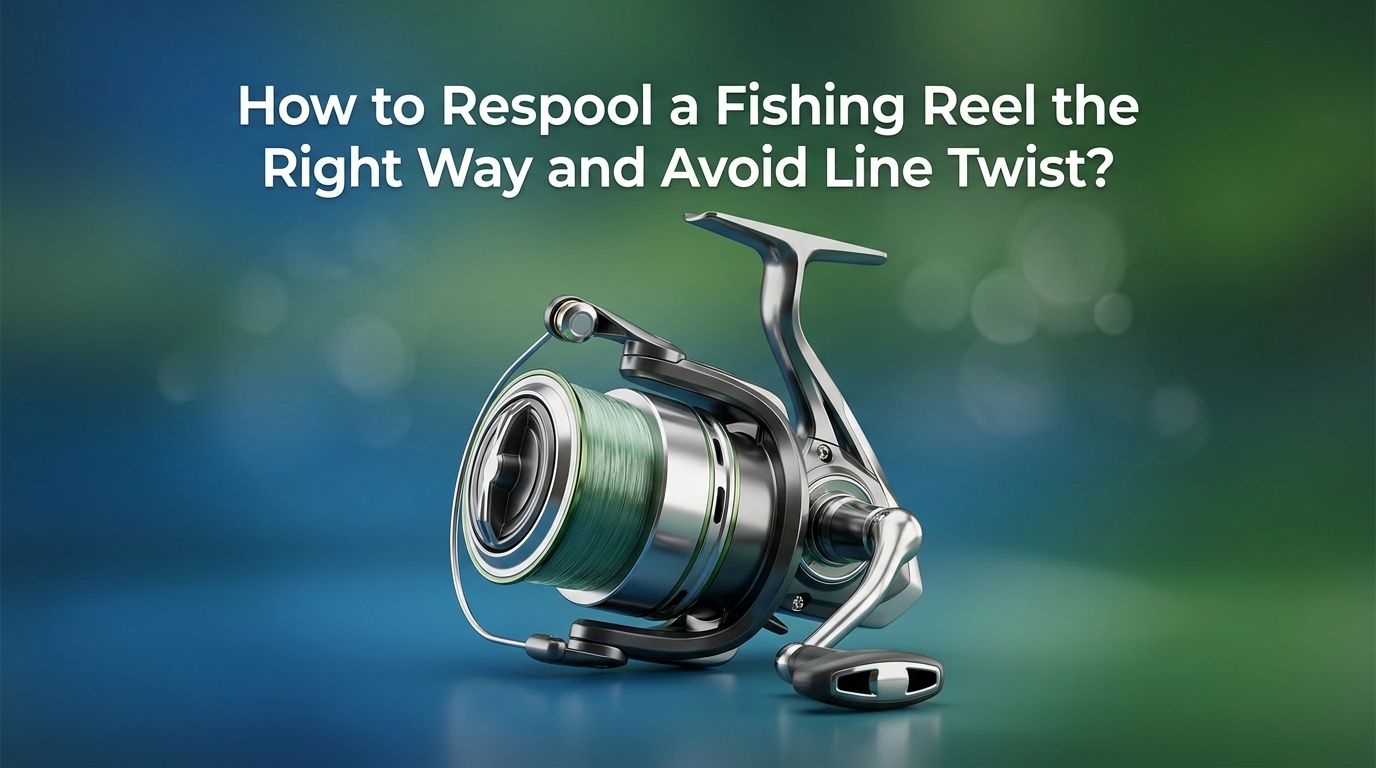
How to Respool a Fishing Reel the Right Way and Avoid Line Twist?
You just got to the water, made your first cast, and your line erupted into a tangled mess. Sound familiar? A poorly spooled fishing reel is one of the most frustrating problems any angler can face. It ruins casts, costs you fish, and wastes valuable time on the water.
The good news is that respooling a fishing reel is a simple process once you understand the basics. Whether you fish with a spinning reel, a baitcaster, or a spincast reel, the steps are straightforward.
The key is knowing the small details that make the difference between a clean spool and a bird’s nest waiting to happen.
Key Takeaways
- Replace your fishing line regularly. Monofilament and fluorocarbon lines should be swapped out at least once a year. Braided line lasts much longer, sometimes several years, but still check it for fraying and wear before each trip.
- Match your spooling method to your reel type. Spinning reels and baitcasting reels load line differently. A spinning reel needs line fed off the filler spool in coils, while a baitcaster needs line pulled straight off a rotating filler spool. Getting this wrong is the number one cause of line twist.
- Always thread line through all rod guides before spooling. Skipping this step leads to uneven line lay on your spool. The guides help channel the line straight into the reel for a smooth, even fill.
- Fill the spool to the correct level. Leave about 1/8 inch of space between the line and the spool lip on a spinning reel. On a baitcaster, stop about 1/16 inch from the lip. Overfilling causes tangles, and underfilling reduces casting distance.
- Use an arbor knot to attach line to the spool. This knot is reliable, easy to tie, and holds firmly under pressure. A few simple overhand knots can work in a pinch, but the arbor knot is the standard for good reason.
- Keep tension on the line as you spool. Loose line creates gaps and weak spots that lead to dig ins and bird’s nests during casting. Pinch the line with a cloth or your fingers as you reel to keep it tight and even.
How to Know Your Fishing Reel Needs Respooling
Your reel will give you clear signs that it is time for fresh line. Frequent tangles and wind knots are the most obvious indicators. If you notice your casts getting shorter than usual, your spool may be running low or the line has lost its strength.
Run your fingers along the first few feet of line. If you feel rough spots, nicks, or flat areas, the line is damaged and should go. Monofilament that looks chalky or faded has been weakened by sun exposure and needs replacement right away.
A simple rule of thumb: if you fish regularly, respool mono and fluorocarbon every season. Braided line is more durable and can last several seasons, but inspect it often. Line that has been sitting on a reel unused for a long time can also develop memory coils that hurt performance.
How to Remove Old Line from Your Reel
Before adding fresh line, you need to strip off the old stuff. Open the bail on a spinning reel or disengage the thumb bar on a baitcaster and pull the line off the spool. You can wrap it around your hand, a book, or an empty cardboard tube.
A faster method is to attach the line end to a power drill and let the drill wind it off. This takes seconds instead of minutes. Just be careful not to let the line get caught around the drill chuck.
Do not throw old fishing line in the trash or on the ground. Monofilament takes hundreds of years to break down and is dangerous to wildlife. Many tackle shops have recycling bins for used line. You can also mail old line to recycling programs.
How to Choose the Right Fishing Line for Your Reel
Picking the correct line type and weight matters just as much as the spooling process itself. Monofilament is the most popular choice for beginners. It stretches, floats, and is easy to handle. It works well on spinning reels and spincast reels.
Fluorocarbon is nearly invisible underwater and sinks. It has less stretch than mono, which gives you better sensitivity. Fluorocarbon works great on baitcasting reels for techniques that require a subtle presentation.
Braided line is the thinnest and strongest option. It has almost zero stretch and allows you to load more line on a spool. However, braid is slick and can slip on the spool. You need mono backing or electrical tape on the spool before adding braid to prevent this slipping.
Pros of monofilament: affordable, forgiving, easy to tie knots. Cons: high memory, weakens in sunlight, needs frequent replacement. Pros of fluorocarbon: low visibility, good sensitivity, sinks naturally. Cons: stiffer, harder to manage on spinning reels, more expensive. Pros of braid: long lasting, strong, thin diameter. Cons: visible in clear water, can cut fingers, requires backing.
How to Respool a Spinning Reel Step by Step
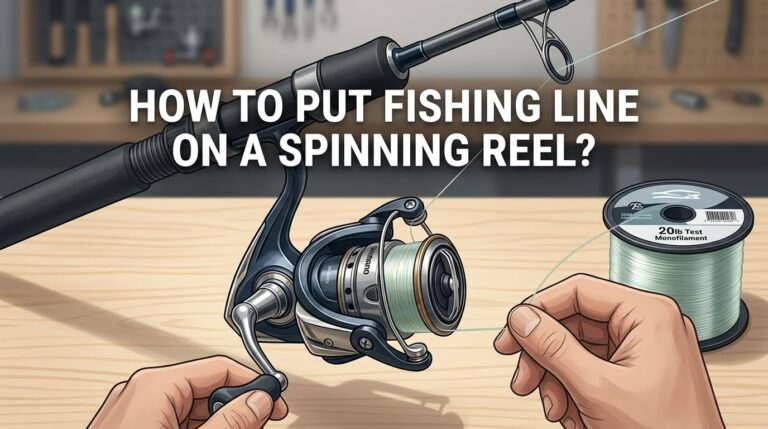
Start by mounting your reel on the rod. Thread the tag end of the new line through every guide on the rod, starting from the tip and working down to the reel. This ensures even line lay.
Open the bail arm. Tie the line to the reel spool using an arbor knot. Wrap the line around the spool twice, tie an overhand knot around the main line, then tie another overhand knot at the tag end. Pull it tight and trim the excess.
Close the bail by hand. Place the filler spool flat on the ground or a table with the label facing up. The line should come off the filler spool in coils, matching how a spinning reel releases line during a cast.
Pinch the line between your thumb and finger or use a damp cloth to apply tension as you reel. Crank the handle at a steady pace until the line is about 1/8 inch from the spool lip. Cut the line and secure it with a rubber band or the reel’s built in line clip.
How to Respool a Baitcasting Reel Step by Step
Baitcasting reels load line differently than spinning reels. The filler spool should rotate freely while you reel in line. Push a pencil or pen through the center hole of the filler spool and have a friend hold it, or use a line spooling tool.
Thread the line through the level wind guide on the reel. Tie the line to the spool with an arbor knot. Some baitcaster spools have a small hole or slot where you can feed the line through before tying the knot.
If you are using braid, wrap several yards of monofilament backing onto the spool first. This gives the braid something to grip so it does not spin freely on the spool under tension.
Start reeling slowly and evenly. Pinch the line in front of the reel with a cloth or your fingers to keep consistent tension. Fill the spool until the line is about 1/16 inch from the spool lip. Overfilling a baitcaster is a fast track to backlashes.
How to Respool a Spincast (Push Button) Reel Step by Step
Spincast reels are the easiest to respool. Remove the front cone or cover of the reel by unscrewing or unclipping it. This exposes the spool inside.
Pull off any old line and dispose of it properly. Thread the new line through the rod guides and then through the small hole in the front of the reel cover. Tie the line to the spool with an arbor knot.
Replace the cover and start reeling. Keep light tension on the line by pinching it as you crank. Fill the spool until it is about 75% full. Spincast reels have smaller spools, so they do not hold as much line.
Pros of spincast reels: very easy to spool, beginner friendly, affordable. Cons: lower line capacity, less casting distance, harder to detect bites. This reel type is a solid choice for kids and casual anglers who want a simple setup.
How to Prevent Line Twist While Respooling
Line twist is the enemy of a clean cast. The most common cause is loading line onto the reel in the wrong direction. On a spinning reel, the line must come off the filler spool in coils, not in a straight pull from a rotating spool.
Check for twist by letting out about 20 feet of line with no weight attached. If it curls and loops on its own, you have twist. Re spool the line in the correct orientation to fix this problem.
Another trick is to close the bail by hand after every cast instead of letting the reel’s bail snap shut automatically. The automatic bail closure can introduce small amounts of twist with each cast. Over time, this adds up and leads to tangles.
Using a barrel swivel at the end of your line can also help reduce twist caused by certain lures that spin in the water, such as inline spinners.
How to Use a Line Spooling Tool for Faster Results
A line spooling tool holds your filler spool in place and adds consistent tension as you reel. These tools clamp onto a table or rod and let the filler spool rotate smoothly while you crank the reel handle.
The main advantage is speed and consistency. You do not need a friend to hold the spool, and the tension stays even from start to finish. This results in a tighter, more uniform line lay on your reel spool.
Pros of a spooling tool: hands free operation, consistent tension, works with all reel types, reduces line twist. Cons: extra cost, one more piece of gear to store, not strictly necessary for occasional anglers. If you respool multiple reels often, a spooling tool pays for itself in saved time and frustration.
A budget alternative is the pencil method. Push a pencil through the filler spool and let someone hold both ends. This gives you a free spinning filler spool with moderate tension.
How to Correctly Fill Your Spool Without Overfilling or Underfilling
Getting the right amount of line on your spool is critical. Overfilling causes line to jump off the spool in loose coils during a cast, creating instant tangles. Underfilling reduces your casting distance and retrieval speed because the spool diameter is smaller.
For spinning reels, stop adding line when it reaches about 1/8 inch below the spool lip. You can eyeball this or use your fingertip as a gauge. The edge of the spool should still be clearly visible above the line.
For baitcasting reels, fill to about 1/16 inch from the spool lip. Baitcasters are more sensitive to overfilling because the spool rotates during the cast. Too much line makes the spool spin faster than the line can leave, causing backlash.
For spincast reels, aim for about 75% capacity. These reels function best with a little extra room inside the housing.
How to Add Backing to Your Reel to Save Money on Line
Premium fishing line can be expensive, especially fluorocarbon and braided line. Backing fills the bottom of your spool with cheaper line so you use less of the expensive stuff on top.
Spool cheap monofilament onto your reel first until the spool is about half full. Then tie your main line to the backing with a double uni knot or an Alberto knot. Continue spooling with your main line until the spool is full.
This technique works especially well with braided line. Braid is slick, so monofilament backing also prevents the braid from spinning on the spool. You get the grip benefit and the cost savings in one step.
Make sure the knot connecting your backing to your main line is smooth and small. A bulky knot can create an uneven spot on the spool that causes problems during a long fight with a big fish.
How to Test Your Reel After Respooling to Make Sure It Is Ready
Do not head straight to the water without testing your work first. Open the bail and let out 50 to 100 feet of line in your yard or a park. Check for any twists, loops, or kinks as the line feeds out.
Reel the line back in slowly while watching how it lays on the spool. The line should lay flat and even without bunching up on one side. If you see uneven stacking, strip the line off and start over with correct guide threading.
Make a few practice casts. Pay attention to how the line flows off the spool. Smooth, tangle free casts mean your spool job is solid. If you get a tangle on the first or second cast, the line direction or tension was likely off.
Check your drag setting too. Fresh line can sit differently on the spool and may change how your drag feels. Adjust it so line pulls off the reel smoothly under moderate pressure.
How to Store Your Respooled Reel to Keep Line Fresh
Proper storage extends the life of your fishing line. Keep your reel in a cool, dark place away from direct sunlight. UV rays break down monofilament and fluorocarbon over time, even when the reel is not in use.
Loosen your drag before storing the reel for long periods. A tight drag compresses the line and the drag washers, which can cause flat spots on the line and reduce drag performance.
Use a rod sleeve or reel cover to protect your gear from dust and humidity. If you store rods horizontally, make sure nothing presses against the line on the spool.
Before your next trip, pull a few feet of line off the spool and check its condition. A quick inspection takes seconds and can save you from losing the fish of a lifetime to a line failure.
Frequently Asked Questions
How Often Should You Respool a Fishing Reel?
Respool monofilament and fluorocarbon at least once a year if you fish regularly. Heavy use may require respooling every few months. Braided line lasts much longer. Many anglers get three to five years out of a good braid. Always inspect your line for nicks, frays, and discoloration before each outing.
Can You Respool a Fishing Reel by Yourself?
Yes, you can absolutely respool a reel alone. Place the filler spool on a flat surface for spinning reels or use a pencil through the center hole for baitcasters. A line spooling tool makes solo respooling even easier. The process takes about five to ten minutes per reel once you get comfortable with it.
How Much Does It Cost to Get a Reel Respooled at a Tackle Shop?
Many tackle shops will respool your reel for free or a small fee if you buy the line from them. The main cost is the line itself. Monofilament is the cheapest option, while fluorocarbon and braided lines cost more. Doing it yourself at home saves time and lets you learn a valuable fishing skill.
What Happens If You Put Line on a Spinning Reel Backwards?
Putting line on in the wrong direction causes severe line twist. The line will coil, tangle, and create wind knots during casting. Always make sure the line comes off the filler spool in the same direction it wraps onto your reel spool. If you notice twist, strip the line off and respool it correctly.
Should You Soak Fishing Line Before Spooling?
Soaking monofilament in warm water for a few minutes before spooling can reduce memory and make the line more pliable. This trick helps the line lay flat on the spool. It is not necessary for braided line, and fluorocarbon does not benefit much from soaking either. It is a simple step that can improve performance with mono.

Hi, I’m Ivy Webb, the passionate angler and creator behind BaitHookVault.com. I spend my days out on the water personally testing and reviewing a wide variety of fishing tools and gear.