Why Does My Fishing Rod Tip Keep Snapping?
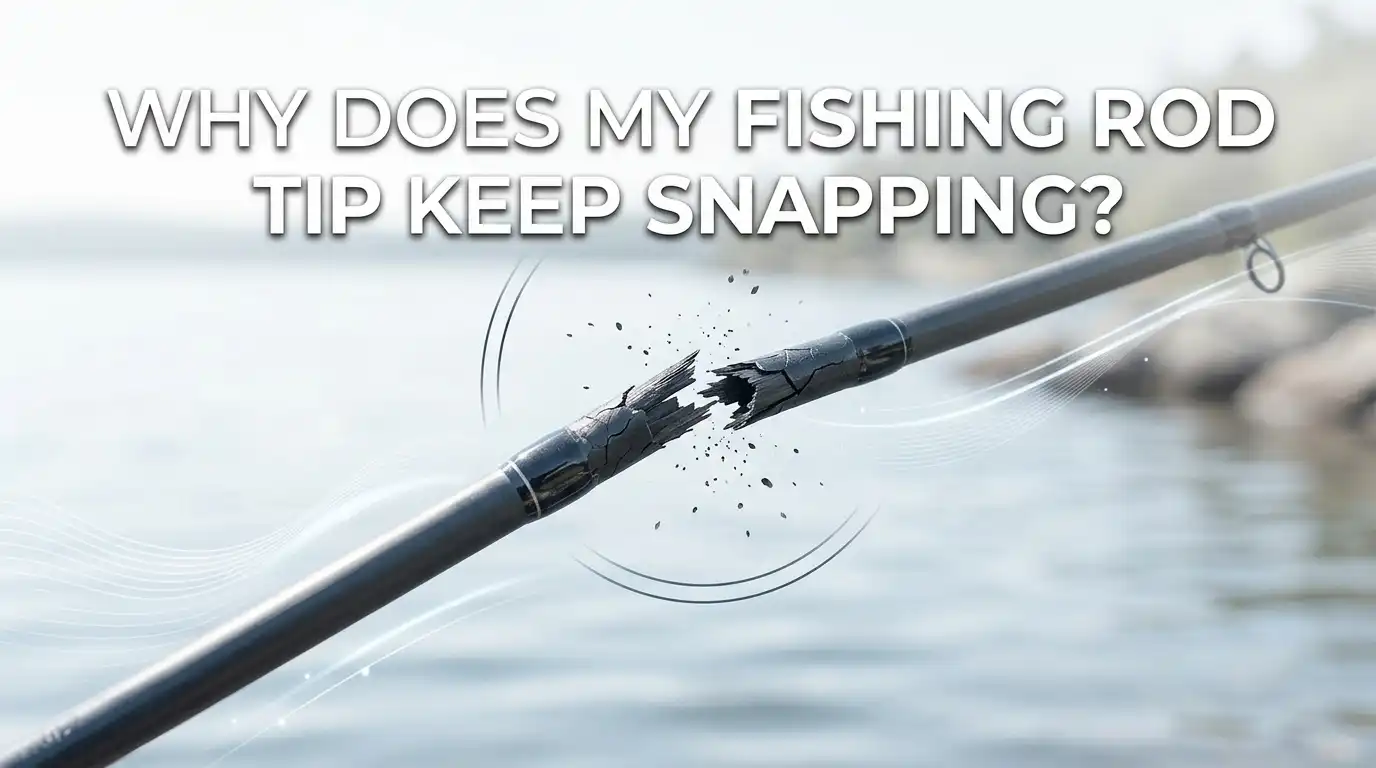
Few things ruin a fishing trip faster than a snapped rod tip. One moment you feel a strong pull, and the next you hear that awful crack. Your line goes slack, your fish swims away, and your rod sits broken in your hands. If this keeps happening to you, please know one thing first.
You are not cursed, and you are not alone. Most rod tips break for simple reasons that you can fix and avoid. The tip is the thinnest and most fragile part of your rod, so it takes the most stress and the most abuse.
In this guide, you will learn exactly why your fishing rod tip snaps so easily. You will discover the hidden mistakes most anglers make without knowing it.
In a Nutshell:
- High sticking is the number one killer. Holding your rod straight up at a steep angle, especially when fighting a fish or pulling a snag, overloads the thin tip and snaps it fast.
- Most breaks are human error, not weak rods. Studies and angler reports suggest around 90 percent of rod tip breaks come from how the rod is handled, stored, or transported, not from defects.
- Tiny cracks cause big breaks later. A small ding from a car door, a tackle box, or a ceiling fan creates a micro fracture that fails during a normal cast or fight.
- Line wraps around the tip are dangerous. A line tangled around the tip top guide puts huge stress on a small spot and shatters it when pressure builds.
- Storage and transport matter more than you think. Bouncing rods in a truck bed, slamming doors, and loose rods in the garage cause silent damage.
- You can repair a broken tip at home. With a tip top guide, glue, and a few simple steps, you can fix the rod yourself in minutes for very little cost.
What Actually Causes a Fishing Rod Tip to Snap
The rod tip is the thinnest section of the blank, so it bears the most strain per square inch. Carbon fiber and graphite rods are strong but stiff, which makes them prone to sudden shocks.
When force builds up too fast or in the wrong direction, the tip cannot flex enough to spread the load. It simply cracks.
Most tip breaks fall into a few clear groups. These include high sticking, line wraps around the tip, hidden micro fractures, transport accidents, and storage mistakes.
Sudden shocks, like a heavy lure smacking the tip during a cast, also do real harm. Understanding the cause is the first step to stopping the problem. Once you know which mistake you make most, you can target it and fix it for good.
High Sticking: The Number One Reason Tips Break
High sticking happens when you raise your rod to a steep vertical angle, usually past 45 degrees, while fighting a fish or pulling a snag.
As the rod goes more upright, the load shifts away from the powerful midsection and moves to the weak tip. The tip was never built to carry that much weight alone, so it snaps.
This is the single most common cause of broken tips, and it is easy to fix. Many anglers do it without noticing, especially in the excitement of landing a big catch.
The fix is simple. Keep your rod at a lower angle and let the strong butt section do the work. Aim to fight fish with the rod around 45 degrees or lower. Pulling a fish over the side of a boat with the rod held high is a classic high sticking mistake.
Pros of fixing high sticking: it costs nothing, it works instantly, and it also lands fish faster.
Cons: it takes practice to break the habit, and it can feel unnatural at first.
Line Wrapped Around the Tip: A Silent Tip Killer
Sometimes your line wraps around the tip top guide without you seeing it. When you then set the hook or fight a fish, all that force lands on a tiny wrapped spot instead of running freely through the guides. The pressure builds in seconds, and the tip shatters.
This problem strikes during casting too, especially with light lures or windy conditions. The line loops around the tip, and your next cast snaps it. To avoid this, build a simple habit. Before every cast and every hook set, glance at your tip and make sure the line runs clean and straight through the guide.
Pros of checking for line wraps: it takes one second, costs nothing, and prevents a very common break.
Cons: it is easy to forget in the heat of the moment, so you must train yourself to look each time. A quick glance can save an expensive rod.
Hidden Micro Fractures: The Damage You Cannot See
A micro fracture is a tiny crack in the rod blank that you often cannot see with your eyes. It forms when the rod takes a small impact, like a bump against a hard surface or a knock from a heavy sinker. The rod looks fine, so you keep fishing. Then, during a normal cast or a small fish, the tip breaks at that weak spot.
This explains the mystery breaks that seem to happen for no reason. The cause was an old injury you forgot about. To catch micro fractures early, inspect your rod often. Run your fingers along the top section and feel for rough spots, hairline cracks, or splinters.
Pros of inspecting for fractures: you catch problems before they fail, and you stay safe.
Cons: small cracks are hard to spot, and once a fracture forms, the section is usually weakened for good. Prevention beats inspection here.
Car Doors, Tailgates, and Ceiling Fans: Accidental Impacts
Many rod tips never break on the water at all. They break in the garage, the driveway, or the truck bed. A car door slams on the tip. A tailgate drops on it. A ceiling fan clips it while you walk through the house. These sudden, hard impacts crush or snap the delicate tip in an instant.
These accidents are completely preventable with a little care. Always know where your rod tip is before you move. Carry rods tip first and pointed up so you can see the end. Never lean a rod against a car near a closing door.
Pros of being careful with impacts: it costs nothing and stops the most embarrassing breaks.
Cons: it requires constant awareness, and one careless moment can still cost you a rod. Treat your rod tip like a glass wand, because it is almost that fragile.
How to Fight a Fish Without Breaking the Tip
Fighting a fish the right way protects your tip and lands more fish. The goal is to load the strong lower half of the rod, not the weak tip. Keep your rod at a moderate angle, around 45 degrees, and let the rod bend in a smooth curve down to the handle.
Use the reel drag to tire the fish, not brute force on the rod. When a big fish makes a run, lower the rod toward it and let the drag give line. Pull up smoothly to gain line, then reel down. This pump and reel method spreads the load evenly.
Pros of proper fighting form: fewer breaks, less arm fatigue, and a higher landing rate.
Cons: it takes practice, and an over tight drag can still overload the rod. Set your drag before the fish bites, not during the fight.
The Right Way to Free a Snag Without Snapping Your Rod
Snags cause a huge number of broken tips. Most anglers point the rod up and yank, which puts all the force on the tip and snaps it. The correct method removes the rod from the equation almost completely.
Point your rod straight at the snag so the line and rod form one straight line. This way the rod does not flex, and the pull goes directly to the line, not the tip. Then pull backward steadily until the lure pops free or the line breaks. For stubborn snags, wrap the line around a stick, a gloved hand, or a rod free tool and pull with that instead.
Pros of this method: it almost never breaks the tip, and it works on tough snags.
Cons: you may lose lures more often, and you must remember to point, not lift. Lost lures are cheaper than lost rods.
Smart Casting Habits That Protect Your Rod Tip
Bad casting habits create sudden shocks that crack the tip. A heavy lure that smacks the tip during the cast, or a snap cast with too much force, can break it on the spot. Casting with line tangled around the tip is another fast way to lose it.
Smooth, controlled casts protect your rod and improve accuracy too. Match your lure weight to your rod rating, which is printed on the blank near the handle. A lure that is too heavy overloads the tip every single cast.
Before each cast, check that your line runs clean through the guides and that your lure hangs the right distance from the tip. Avoid casting hard into the wind with a heavy bait.
Pros of good casting habits: fewer breaks, longer casts, and better lure control.
Cons: it takes focus to slow down, and learning correct technique takes time and patience.
How to Store Your Fishing Rod the Right Way
Poor storage causes slow, silent damage that leads to breaks later. Rods crammed into corners, leaned against walls, or piled in a heap take on bends and stress over time. Loose rods also get stepped on or knocked.
Store rods vertically in a rack or horizontally on rod holders so they stay straight. Keep them in a cool, dry place away from heat, which can weaken the blank and glue. Use individual rod sleeves or tubes so tips do not bang against each other.
If you store a rod with a lure attached, loosen the drag so tension does not build on the tip. A rod rack is the single best storage upgrade you can make.
Pros of good storage: longer rod life, straighter blanks, and no surprise tip damage.
Cons: rod racks take up space and cost a little money up front.
Safe Ways to Transport Rods in Your Car or Boat
Transport is where many tips quietly break. Loose rods bouncing in a truck bed, sliding in a back seat, or rattling in a boat take constant small impacts. Doors and tailgates finish the job.
Use a hard rod case or padded rod sleeve for travel, especially for long drives. Inside a car, run rods along the side with the tips resting safely, not jammed against doors or seats. In a boat, use rod holders or locker tubes that keep each rod separate and secure.
For truck beds, a dedicated rod holder angled back about 30 degrees reduces wind stress and bouncing. Always load and unload rods tip first so you can see and protect the fragile end.
Pros of safe transport: no road damage and rods that arrive ready to fish.
Cons: cases and holders cost money and add a little setup time before each trip.
How to Repair a Broken Rod Tip at Home
A broken tip is one of the easiest rod repairs you can do yourself. You need a new tip top guide that matches your rod diameter, some rod tip glue or hot melt adhesive, and a lighter or heat source. The whole job takes only a few minutes.
Here are the simple steps. First, remove any jagged broken pieces and sand the end smooth. Second, test fit the new tip top so it sits snug. Third, heat the glue stick and apply it to the rod end. Fourth, slide the tip top on and rotate it so the guide lines up straight with the other guides. Fifth, let it cool fully before fishing.
Pros of home repair: very low cost, fast, and you learn a useful skill.
Cons: a wrong size tip top fits poorly, and a misaligned guide hurts casting. Measure the rod diameter before buying a replacement tip.
When to Repair the Tip and When to Replace the Whole Rod
Not every break is worth fixing. A clean break right at the tip top guide is easy and cheap to repair. A break further down the top section is harder, and the repair will change the rod action and feel.
Ask yourself a few questions before you decide. How far down is the break? How much did the rod cost? Is the rod still under warranty? Many rod makers offer low cost replacement parts or repair programs, so check before you toss it.
If the break is low on the blank, or the rod is cheap, replacement often makes more sense. A short tip repair keeps a good rod fishing for years.
Pros of repairing: saves money and keeps a rod you trust.
Cons: deep breaks weaken the rod, and the repaired action may never feel the same.
Simple Daily Habits That Keep Your Rod Tip Safe
The best fix is prevention, and prevention comes from small daily habits. Check your tip before every cast, fight fish at a low angle, and free snags by pointing the rod straight. These three habits alone stop most breaks.
Build a quick pre fishing routine. Inspect the top section for cracks, run a cotton swab inside the tip guide to feel for grooves or rust, and confirm the line runs clean. After fishing, wipe the rod down and store it in a rack or sleeve.
Be aware of your tip at all times, near doors, ceilings, and other people. Treat your rod like a tool that needs care, and it will last for years.
Pros of daily habits: almost no cost and dramatic results over time.
Cons: habits take repetition to stick, so be patient with yourself at first.
Frequently Asked Questions
Why does my rod tip break even with small fish?
Small fish rarely break a healthy tip on their own. The real cause is usually a hidden micro fracture from an earlier impact, or a line wrap around the tip. The small fish simply applies the final stress to an already weak spot.
Is a broken rod tip covered under warranty?
It depends on the brand and the cause. Most warranties cover defects in materials, not user error like high sticking or door slams. Many companies still offer low cost repair or replacement parts, so always contact the maker before buying a new rod.
Can I fish with a slightly cracked rod tip?
You should not. A cracked tip will fail under load, often during your next good fish. Fishing with a damaged tip risks losing the fish and the whole top section. Repair or replace it before your next trip to stay safe.
How do I know the right tip top size for repair?
Measure the diameter of the rod blank where the tip top will sit, usually in millimeters. Match that measurement to the tube size of the new tip top guide. A snug fit holds firm and keeps your casts smooth and accurate.
Does an expensive rod break less than a cheap one?
Not always. Price does not protect against high sticking, line wraps, or car doors. Expensive rods often use stiffer high modulus graphite, which can be more sensitive to sudden shocks. Good handling habits matter far more than price for tip survival.
How often should I inspect my fishing rod?
Check your rod before and after every trip. Run your fingers along the blank, look for cracks, and feel inside the tip guide for grooves or rust. A quick inspection takes under a minute and saves you from surprise breaks on the water.

Hi, I’m Ivy Webb, the passionate angler and creator behind BaitHookVault.com. I spend my days out on the water personally testing and reviewing a wide variety of fishing tools and gear.