How To Fix A Broken Anti Reverse Bearing In A Spinning Reel?
Your spinning reel handle should turn one way and stop dead when you crank backward. When that handle suddenly spins both directions, your anti reverse bearing has failed.
This small part keeps your reel locked during a hookset and stops your line from going slack at the worst moment. A broken one feels frustrating, especially when a fish is on the line.
The good news is simple. You can fix most anti reverse problems at home. You do not need a workshop or expensive tools. You just need patience, a clean space, and the right steps.
In A Nutshell:
- The anti reverse bearing is a one way roller clutch. It grips a smooth sleeve so the rotor turns forward but never backward. When it slips, your handle spins both ways.
- Most failures come from three things: a dislodged switch spring, a dirty or oily bearing, or a worn out clutch. The fix depends on which one you find.
- Never put grease inside the roller clutch. Grease and heavy oil kill the grip the rollers need. This is the most common DIY mistake that causes back play.
- A good cleaning fixes the bearing most of the time. Flush out old oil and grit with a fast drying solvent, dry it fully, then add only a tiny touch of light oil if your reel calls for it.
- Replacement is cheap and easy when cleaning fails. The part is small, the cost is low, and swapping it takes about ten minutes once the side cover is off.
- Take photos as you work. A picture of each step makes reassembly stress free and stops you from losing tiny springs and clips.
What An Anti Reverse Bearing Actually Does
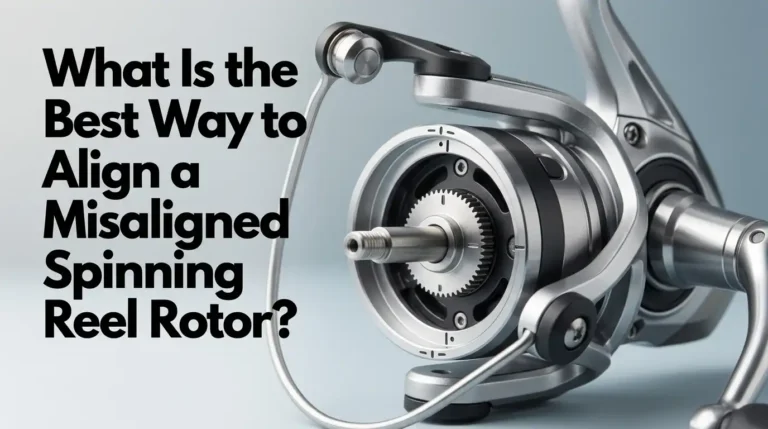
The anti reverse bearing is the part that stops your handle from spinning backward. Inside it sits a one way roller clutch. This clutch holds tiny rollers between an inner sleeve and an outer cage. The rollers wedge tight when force pushes the wrong way. That wedge locks the rotor in place.
When you turn the handle forward, the rollers slide free and let everything spin. When a fish pulls or you stop cranking, the rollers grip instantly. This grip is what makes your hookset solid.
Without it, your line goes slack and you lose fish. Knowing this helps you understand why grip, not lubrication, is the goal here. The whole repair centers on keeping those rollers able to bite the sleeve.
Common Signs Your Anti Reverse Bearing Is Broken
You can spot a failing anti reverse bearing fast. The clearest sign is a handle that spins in both directions. Forward feels normal, but you can also crank it backward freely. That should never happen on a locked reel.
Other signs show up too. You might feel a small amount of back play, where the handle moves a quarter turn before catching. Sometimes the lock works when dry but slips when wet. You may also hear a faint clicking or feel the catch come and go.
Intermittent slipping almost always points to a dirty bearing or wrong lubricant. A handle that spins fully backward with no resistance usually means the switch spring popped off or the clutch wore out. Match your symptom to the right cause before you open anything.
Tools And Materials You Need For The Repair
Gather your supplies before you start. A clean setup makes the whole job smoother. You do not need much, and most items already sit in your garage.
You will want a small Phillips screwdriver, a set of precision picks or tweezers, and a clean white towel. The white towel helps you spot tiny springs and clips.
Grab a fast drying solvent such as a parts cleaner or reel cleaner. You also need a light reel oil, a few cotton swabs, and a small dish to hold screws.
A magnifying glass and good lighting help a lot. The roller clutch parts are tiny. If you plan to replace the bearing, find the correct part number for your reel model first. Lay everything out in order so nothing rolls away.
Step One: Check The Anti Reverse Switch First
Before you blame the bearing, check the easy fix. Many older spinning reels have an anti reverse switch on the bottom of the body. This switch flips the lock on and off. Sometimes it simply gets bumped into the off position.
Flip the switch back and forth a few times. Test the handle after each flip. If the lock returns, you are done in two minutes. Always rule out the switch before opening the reel.
Many anglers tear their reel apart only to find the lever was off the whole time. If your reel has no switch, or the switch does nothing, move on. The problem then sits deeper inside, likely with the spring or the bearing itself.
Pros: This check costs nothing and takes seconds. Cons: It only helps reels that still use a manual switch, and many new reels have removed this feature.
Step Two: Open The Reel Body Safely
Now you open the reel to reach the bearing. Work over your white towel so no parts escape. Remove the handle first by unscrewing it or backing out the handle retainer cap. Set it aside in your dish.
Next, unscrew the side cover or body plate. Most spinning reels use two or three small screws here. Keep each screw in order because lengths can differ. Take a photo before and after every screw comes out. This photo log is your map for putting things back.
Lift the cover gently. Do not yank it, since springs and gears may sit right under it. Once open, you will see the main gear, the pinion, and the anti reverse assembly. Go slow and note where each piece rests.
Step Three: Locate The Anti Reverse Bearing And Spring
With the cover off, find the anti reverse parts. The roller clutch bearing usually sits around the pinion gear near the front of the body. It looks like a metal ring with a sleeve running through the center. Around it you may see a small spring and a switch arm.
Look closely for a thin coil spring or a kick spring. This spring controls the switch mechanism that engages the lock. A dislodged or broken spring is the top cause of full backward spin. If the spring popped out of its slot, you found your problem.
Note exactly how it sits before you touch it. Snap another photo here. Many reels fail simply because this spring fell off during a past cleaning. Reseating it often restores the lock right away.
Step Four: Fix Or Reseat A Dislodged Switch Spring
If the spring came loose, this fix is quick. Use your tweezers or pick to set the spring back into its slot. The spring usually hooks onto a post on one end and presses against the switch arm on the other. Match the spring exactly to the position in your photo.
Work gently so you do not bend or stretch the coil. A stretched spring loses tension and will not hold the lock. If the spring snapped, you need a replacement, which you can order by part number.
Reassemble and test the handle before closing the cover. Turn it forward, then try backward. If it locks, your repair worked. This single fix solves a huge share of anti reverse failures.
Pros: Fast, free, and fixes the most common cause. Cons: A broken or worn spring still needs ordering a new part, which means a short wait.
Step Five: Remove The Roller Clutch For Cleaning
If the spring looks fine but the bearing still slips, the clutch needs cleaning. Old oil, grease, salt, or grit can stop the rollers from gripping. Carefully lift the roller clutch out of its housing. Some clutches press out, while others sit in a removable cage.
Note the direction the bearing faces. Installing it backward reverses the lock and breaks your reel function. Mark the top side with a dot of marker if you worry about flipping it. Handle the clutch over your towel since the tiny rollers can fall out. Keep the inner sleeve with it.
Once removed, inspect the rollers and sleeve under good light. Look for dark gunk, rust, or shiny worn spots. This inspection tells you whether cleaning will work or whether you need a new bearing.
Step Six: Clean The Bearing The Right Way
Cleaning is the core fix for a slipping bearing. Spray the roller clutch with a fast drying parts cleaner or reel solvent. Aim the spray right at the rollers inside the cage. Flush it from both sides until the liquid runs clear. This removes old oil, grease, and salt that block the grip.
Work the sleeve back and forth as you flush. Never use heavy degreasers that leave a film. After flushing, let the bearing dry fully. You can blow it gently with canned air or let it sit on the towel for a few minutes.
A bone dry, clean clutch grips best. Dry the sleeve too. Once everything is clean and dry, test the bearing in your hand. Hold the sleeve and turn the cage. It should lock one way and spin the other.
Step Seven: Lubricate The Bearing Correctly
This step decides whether your fix lasts. The roller clutch works on grip, not slip. Most reel makers say to add no lubricant at all, or only a tiny drop of light oil. Heavy oil or grease will coat the rollers and stop them from biting the sleeve.
If your reel schematic allows oil, dip a pin in light reel oil and touch one drop to the sleeve. Never pack the clutch with grease. Grease is the number one reason a cleaned bearing keeps slipping.
Wipe away any excess so only a microscopic film remains. A clean clutch with almost no oil gives the strongest lock. When in doubt, leave it dry. Then reinstall the bearing in the correct direction you noted earlier.
Pros: Correct lube prevents future slipping and rust. Cons: Too much lube, even slightly, ruins the grip and forces a redo.
Step Eight: Replace The Anti Reverse Bearing If Needed
Sometimes cleaning does not fix the slip. Worn rollers or a scored sleeve cannot grip no matter how clean they are. When that happens, you replace the bearing. Find the correct part number from your reel schematic and order the matching roller clutch.
Replacement is simple once the old one is out. Press or seat the new bearing into the housing in the same direction as the old part. Test the lock in your hand before you install it in the reel.
A new clutch should grip firmly with no back play. This swap solves failures that cleaning cannot touch. The part costs little and takes only minutes. Many anglers keep a spare on hand for older reels they use often.
Pros: Fixes worn out clutches for good and restores like new performance. Cons: You wait for the part and must confirm the exact match for your model.
Step Nine: Reassemble And Test Your Reel
With the bearing fixed or replaced, put the reel back together. Follow your photos in reverse order. Set the spring, the switch arm, and the gears back exactly as they sat. Make sure no part pinches under the cover.
Place the side cover on and start each screw by hand. Tighten screws snug but not overtight, since stripped threads ruin the body. Reattach the handle and screw the retainer cap firmly. Now test the reel. Turn the handle forward and feel the smooth spin.
Then try backward. The handle should stop dead with no give. Flip the switch if your reel has one and confirm it works in both modes. If everything locks correctly, your repair is complete and ready for the water.
How To Prevent Future Anti Reverse Bearing Failures
A little care keeps this problem from coming back. Rinse your reel with fresh water after every saltwater trip. Salt is the worst enemy of the roller clutch. Wipe the body dry and store the reel loose, not crammed in a wet bag.
Service the bearing once a season if you fish often. Keep grease far away from the clutch during any maintenance. Tell anyone who services your reel to leave the roller clutch dry or barely oiled.
Avoid spraying general lubricants into the reel body, since they seep into the clutch and cause slipping. A clean, dry, salt free bearing lasts for years. Simple habits like a freshwater rinse and proper lube choices prevent almost every future failure.
When To Take Your Reel To A Professional
Some cases call for an expert. If your reel is a high end model with a sealed body, opening it yourself may void a warranty or break a seal. A pro has the right tools and replacement seals for these reels.
You should also seek help if the housing itself is cracked or the pinion gear shows damage. A bent shaft or stripped gear needs more than a bearing swap. If you opened the reel and parts spilled out in a way you cannot map, a technician can sort it fast.
The cost of a service is small next to the price of a ruined reel. Know your limit and hand off the tough jobs. For everyday reels and simple slips, though, the home fix above works great.
Pros: Experts fix complex damage and protect warranties. Cons: It costs more and takes longer than a quick home repair.
Frequently Asked Questions
Why does my spinning reel handle spin both ways?
Your handle spins both ways because the anti reverse lock failed. The most common causes are a dislodged switch spring, a dirty or oily roller clutch, or a worn out bearing. Check the switch first, then open the reel to inspect the spring and clutch.
Can I use grease on my anti reverse bearing?
No. Grease coats the rollers and stops them from gripping the sleeve. This causes the handle to spin backward. The roller clutch works on grip, not slip. Use no lubricant or only a tiny drop of light oil if your reel schematic allows it.
How much does it cost to fix an anti reverse bearing?
A home fix often costs nothing if you only need to clean the bearing or reseat the spring. If you replace the bearing, the part is small and inexpensive. A professional service costs more but handles complex damage and sealed reels.
How do I know if my anti reverse bearing needs cleaning or replacing?
Try cleaning first. Flush the clutch with solvent and dry it fully, then test the grip in your hand. If it locks firmly, cleaning fixed it. If it still slips after a thorough cleaning, the rollers or sleeve are worn, and you need a replacement.
Will WD40 fix a slipping anti reverse bearing?
It can help temporarily by flushing out grease, but it is not ideal. Light penetrating sprays can leave a film that reduces grip over time. A fast drying parts cleaner works better. After cleaning, let the bearing run dry or use only a trace of light reel oil.
How often should I clean my anti reverse bearing?
Clean it once a season if you fish regularly, and more often in saltwater. Always rinse the reel with fresh water after saltwater use. Regular care keeps salt and grit out of the clutch and prevents most slipping problems before they start.

Hi, I’m Ivy Webb, the passionate angler and creator behind BaitHookVault.com. I spend my days out on the water personally testing and reviewing a wide variety of fishing tools and gear.