Why Is My Fiberglass Rod Emitting a Splintering Sound Under Load?
Hearing a strange splintering sound from your fiberglass rod under load can stop you cold. That sharp crackle or pop feels like a warning shot. You start to wonder if the rod will snap in your hands the next time you put pressure on it.
The good news is that not every sound means doom. Some noises are harmless. Others are early warnings that need quick action.
This guide explains every common cause, how to inspect your rod, and what to do step by step. You will learn how to tell a safe sound from a serious one, how to fix small issues at home, and when to retire the rod for good.
Key Takeaways
- Not every sound is dangerous. A soft creak from epoxy, guide wraps, or ferrules often happens on new rods and during the first few flexes. It usually fades with light use.
- A sharp splintering or popping sound is different. It often points to cracked fibers, a damaged blank, a loose ferrule, or a stressed guide foot. This needs a full inspection right away.
- Inspect the rod in good light. Bend it slowly and look for white stress lines, hairline cracks, lifted finish, or loose guides. Run a cotton ball along the blank to catch snags.
- Most small issues are fixable. You can repair loose guides, reset ferrules, smooth tiny finish cracks, and reinforce weak spots with epoxy or a scarf joint.
- Retire the rod if the blank is cracked through. A fiberglass blank with deep splinters can fail under load and cause injury. Safety always comes before saving a rod.
- Prevent future problems with proper care. Store the rod straight, avoid high heat, rinse after saltwater use, and never high stick a fish.
What a Splintering Sound Actually Means
A splintering sound is a sharp, dry crackle that comes from inside the rod blank or near a fitting. It is not the same as a soft creak. Creaks come from epoxy, finish, or guide wraps moving against each other. A splinter sound comes from fibers breaking or separating.
Fiberglass is made of thin glass strands bonded with resin. When the resin cracks or the fibers shift, you hear a small pop. One pop may be harmless. Many pops in a row, or one loud snap, means damage is spreading.
You should treat the sound as a signal to stop and check. Keep flexing the rod under load, and a small problem can turn into a full break. Listen carefully and try to find the exact spot where the noise comes from.
Normal Sounds Versus Warning Sounds
Not every noise is bad. New rods often creak the first few times you flex them. This is the finish and epoxy settling into the blank. It fades after a few trips and does not mean the rod is weak.
A warning sound has a sharper tone. It feels dry, like a thin twig breaking. It often repeats in the same spot when you bend the rod the same way. That repeat pattern is the key sign of damage.
A safe creak tends to be soft, muffled, and random. It may come from the reel seat, the grip, or the guide wraps. A splinter sound is louder and more focused. If you can point to one place and reproduce the sound, treat it as a red flag.
Common Causes of Splintering Sounds in Fiberglass Rods
Several issues can cause this sound. The most common is a small crack in the blank from past stress. High sticking a fish, slamming the rod in a car door, or stepping on it can start a hairline fracture. The fibers then pop each time the rod bends.
Loose or cracked guide feet are another cause. The guide wrap epoxy may have split, and the foot now rubs the blank. A damaged ferrule on a multi piece rod can also crackle as the two sections grind together.
Heat damage is a sneaky cause. Leaving a rod in a hot car or trunk can soften the resin. Once it cools, the resin becomes brittle and cracks under load. Sun exposure over many years can do the same thing.
How to Inspect Your Fiberglass Rod Step by Step
Start with a clean rod in good light. Wipe the blank with a damp cloth so dirt does not hide cracks. Hold the rod near a bright lamp or take it into daylight.
Bend the rod slowly against a wall or have a friend pull the tip. Look for white stress lines along the blank. White lines on fiberglass mean the resin has cracked, even if the fibers still hold. Mark any spot with painter tape.
Next, run a cotton ball or a thin tissue along the entire blank. If the cotton snags, you have a lifted fiber or a sharp crack. Check every guide foot, the reel seat, the tip top, and each ferrule. Write down what you find before you decide on a fix.
Pros of a hands on inspection include low cost and quick results. Cons are that fine cracks can hide under the finish, so you may miss them without strong light.
Cracked or Damaged Blank: The Most Serious Cause
A cracked blank is the most serious source of a splintering sound. Fiberglass is strong but it does fatigue over time. Each hard bend leaves tiny stress marks. Enough of them stacked up, and the blank starts to fail.
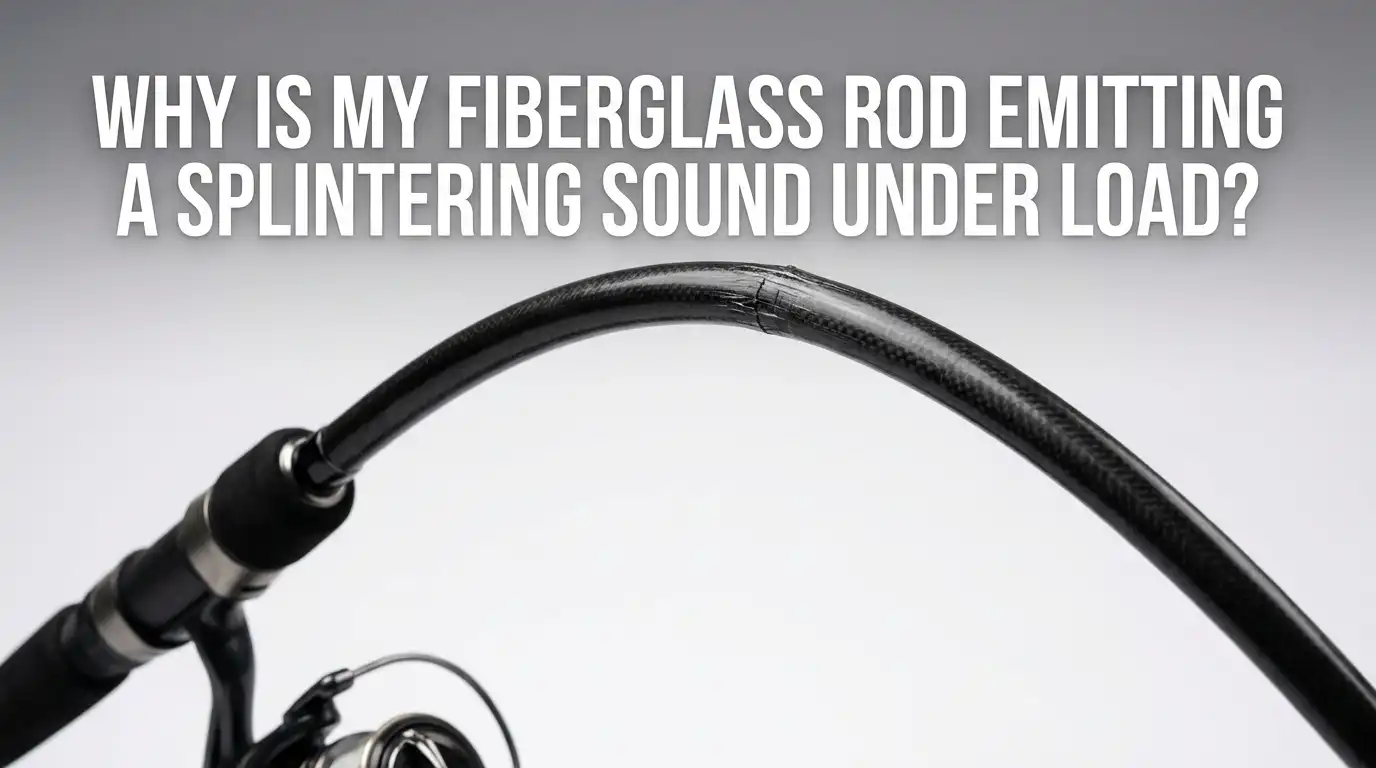
You will often see a white spider web of lines at the crack. The sound usually comes from the same spot each time you load the rod. If you can press the area and feel a soft give or a click, the damage is deep.
A cracked blank is not safe to use as is. You have two choices. You can cut the rod back to the damage and rebuild it shorter, or you can retire it. A full repair with a sleeve or scarf joint is possible but tricky on fiberglass.
Pros of repair include saving a favorite rod. Cons include lower strength after the fix and the risk of the repair failing under heavy load.
Loose or Damaged Guides Causing Crackle
A loose guide is a common and easy fix. Over time, the epoxy wrap holding the guide foot can crack and lift. The foot then moves a tiny bit against the blank, making a sharp tick or pop.
To check, gently push each guide side to side. A guide that wiggles is loose. Look at the wrap for hairline cracks or yellowed, flaking epoxy. A guide that scratches the blank can also start a crack in the rod itself, so fix it fast.
To repair, carefully cut the old thread off with a razor, clean the area with rubbing alcohol, rewrap the foot with rod building thread, and seal with two thin coats of rod finish epoxy.
Pros of doing it yourself include low cost and a strong, custom result. Cons are that you need basic rod building tools and patience to get a clean finish.
Ferrule Problems on Multi Piece Rods
Ferrules connect the sections of a two or three piece rod. They are a common source of cracking sounds. A loose ferrule lets the sections rub and click. A tight one can stress the blank wall and cause a hairline crack at the joint.
Pull the sections apart and look inside the female ferrule. Check for cracks, chips, or a dull, dusty surface. Wipe both surfaces clean with a dry cloth. A small dab of paraffin wax or pure ferrule wax on the male end can quiet a loose fit.
If the female ferrule has a visible crack, you can try to stop it from spreading with thin penetrating epoxy. Apply it sparingly so it does not block the fit. For deep cracks, replace the ferrule or retire the section.
Pros of wax and epoxy fixes are speed and low cost. Cons are that they treat symptoms, not always the root cause, so the crack may return.
Heat and Sun Damage to the Resin
Heat is a silent killer of fiberglass rods. Leaving a rod in a hot car can push the resin past its heat tolerance. The resin softens, then hardens in a brittle state. The result is a rod that pops and splinters under load.
UV light from the sun does similar harm over time. You may notice the finish looks chalky or faded. The blank may feel lighter or sound different when tapped. A heat damaged rod is often weak along its full length, not just one spot.
There is no real fix for heat or UV damage to the resin. You can sometimes seal small surface cracks with a fresh coat of rod finish to slow more harm. But the inner fibers stay weak.
Pros of a refinish are cosmetic improvement and a small boost in surface strength. Cons are that the rod will still fail sooner than a healthy one, so plan to replace it.
How to Repair Minor Cracks in a Fiberglass Rod
If the crack is small and surface only, you can often fix it at home. Sand the area lightly with fine sandpaper to remove the old finish. Wipe with alcohol and let it dry.
Mix a small batch of two part rod finish epoxy or a thin penetrating epoxy. Brush a thin layer over the crack and let it soak in. Wrap the area with rod building thread under light tension, then coat with two more thin layers of finish epoxy.
For deeper cracks, you can add a fiberglass sleeve over the spot. Cut a short piece of matching fiberglass tube, slide it over the damage, and bond with epoxy. Rotate the rod on a drying motor or by hand so the epoxy cures evenly.
Pros of DIY repair are cost savings and learning a new skill. Cons include weight added at the repair spot and a possible change in rod action.
When to Retire Your Fiberglass Rod
Some damage is past saving. A blank that crunches when bent, has deep white stress lines, or shows lifted fibers should be retired. Using a rod in that state risks a sudden break that can cut your hands or face.
Other retire signs include a soft spot you can press with your finger, a section that bends in a sharp angle instead of a smooth curve, and a ferrule that splits at the joint. If you feel any doubt about safety, stop using the rod.
You can still get value from a retired rod. Turn it into a kid practice rod with no hooks, use the guides and reel seat for a build project, or keep the cork grip for a future rod.
Pros of retiring early are safety and peace of mind. Cons include the cost of a new rod and the loss of a familiar tool you trust.
Tools and Materials You Need for Rod Repair
You do not need a full workshop to fix most rod issues. A basic kit covers nearly all common repairs. Get a single edge razor blade, fine grit sandpaper, rubbing alcohol, and a few cotton swabs.
For rebuilds, you need rod building thread in your chosen color, two part rod finish epoxy, small mixing cups, and disposable brushes. A simple rod drying motor helps the finish cure smooth, but you can rotate by hand every minute for the first hour.
A pair of magnifying glasses or a head loupe makes crack hunting much easier. A small flashlight that you can shine across the blank at a low angle also helps highlight stress lines.
Pros of building this kit are that one set covers many future repairs. Cons are the small upfront cost, which still beats buying a new rod each time something breaks.
How to Prevent Splintering Sounds in the Future
Prevention beats repair. Store your rod straight in a hard tube or on a rack, never bent or leaning in a corner. Heat and pressure are the top two causes of damage you can control.
Never high stick a fish. Keep the rod at about 45 degrees or less when fighting a strong fish. Pulling the rod straight up puts all the load on the tip and is the most common way to break a fiberglass blank.
Rinse the rod with fresh water after saltwater trips, and dry it before storage. Check guides and ferrules every few trips. A small wax touch up on the ferrule and a quick wipe down go a long way.
Pros of good care are a longer rod life and fewer surprises. Cons are the small time each trip, which most anglers find well worth it.
FAQs
Is it normal for a new fiberglass rod to make creaking sounds?
Yes, a soft creak on the first few uses is common. It often comes from the finish, epoxy, and guide wraps settling in. The sound usually fades within a few trips. If the noise stays loud or turns into a sharp crackle, inspect the rod.
Can I keep fishing with a rod that splinters under load?
It is not a good idea. A splintering sound means fibers are breaking. The rod can snap suddenly and send sharp pieces flying. Stop, inspect the rod, and fix or retire it before using it again.
How do I tell a guide crackle from a blank crack?
Wiggle each guide gently. If you feel movement and the sound comes from that spot, it is the guide. If the sound comes from the blank itself and you see a white stress line, it is a crack. A bright light at a low angle helps you spot the difference.
Will epoxy fully repair a cracked fiberglass blank?
Epoxy can seal surface cracks and slow damage. It will not fully restore the original strength of the blank. A repaired spot is often heavier and stiffer, which changes the rod action. For deep cracks, plan to retire the rod from heavy use.
Does heat really damage fiberglass rods?
Yes, heat is one of the top causes of resin failure. A hot car or trunk in summer can push the resin past its safe limit. Once the resin weakens, the rod cracks easily under load. Always store rods in a cool, dry place.
How long should a well cared for fiberglass rod last?
A quality fiberglass rod can last 20 years or more with good care. Store it straight, avoid heat, rinse after salt use, and inspect it often. Most rods fail from misuse, not age. Treat the rod well, and it will treat you well in return.

Hi, I’m Ivy Webb, the passionate angler and creator behind BaitHookVault.com. I spend my days out on the water personally testing and reviewing a wide variety of fishing tools and gear.