How to Fix Electric Reel Drag Slipping Under Heavy Load?
You just hooked a big fish. Your electric reel starts pulling it up from the deep. Then you feel it: the drag slips, the line gives way, and your catch swims free.
Electric reel drag slipping under heavy load is one of the most frustrating problems an angler can face. It turns a perfect fishing day into a missed opportunity.
This problem is more common than you think. Drag systems rely on friction between washers and plates to control how much line a fish can pull. Over time, those components wear down, get dirty, or lose their grip.
In a Nutshell
- Drag washers are the most common cause of slipping. Worn, dirty, or compressed drag washers lose their friction over time. This is the first component you should inspect if your electric reel drag slips under heavy load. Carbon fiber and felt washers both degrade with regular use.
- Proper drag grease matters more than you think. Using the wrong type of lubricant or applying too much grease can make your drag system slip. A thin, even coat of quality drag grease keeps washers performing at peak friction without causing slippage.
- Your drag setting should follow the 25% rule. Most experts recommend setting your drag at about 20% to 30% of your line’s breaking strength. Setting it too high can damage internal parts, while setting it too low causes the drag to give way under load.
- Upgrading to carbon fiber drag washers can solve persistent problems. Carbon fiber washers like Carbontex deliver up to 20% more drag power than stock felt washers. They resist heat better and provide smoother, more consistent pressure.
- Regular maintenance prevents most drag failures. Cleaning your drag system after every saltwater trip removes salt, sand, and debris. This simple habit extends the life of your washers and keeps drag performance consistent.
- Always loosen your drag knob during storage. Leaving the drag tightened while your reel sits in storage compresses the washers permanently. This reduces their ability to grip and creates slipping problems on your next trip.
What Causes Electric Reel Drag to Slip
The drag system in your electric reel uses a stack of washers and plates to create friction. This friction controls how much resistance the fish feels when it pulls line. When the friction drops, the drag slips.
Several factors reduce this friction. Dirt, salt crystals, and sand particles can build up between the washers. Old or dried out grease loses its ability to help the washers grip properly. Worn washers are the biggest cause of persistent slipping. They become thin, smooth, and unable to generate enough pressure.
Heat is another factor. A long fight with a heavy fish generates heat inside the drag stack. This heat can temporarily reduce washer performance or permanently damage felt washers. Electric reels that handle deep drops are especially prone to heat buildup during extended retrieves.
How the Drag System Works in an Electric Reel
An electric reel drag system works the same way as a standard conventional reel drag. Inside the reel, a series of alternating washers and metal plates sit stacked together. Tightening the drag knob compresses these washers against the plates.
The motor in your electric reel drives the spool forward. But the drag system is separate from the motor. It sits between the spool and the frame. When a fish pulls harder than the drag setting allows, the spool rotates and releases line. This protects your line from snapping under extreme force.
Most electric reels use a lever drag or star drag system. Lever drags allow precise adjustments with a simple push of a lever. Star drags use a rotating star wheel near the handle. Both systems rely on the same internal friction principle to control line release.
Signs Your Drag Washers Are Worn Out
You do not need to open your reel to spot the first signs of worn washers. Inconsistent drag pressure is the biggest warning sign. If your drag feels smooth at low settings but slips suddenly under load, the washers are likely degraded.
A “sticky” or jerky drag is another clear indicator. This happens when washers develop uneven surfaces or when dried grease creates patches of resistance. You may feel the line release in short bursts instead of a steady pull. This makes fighting a fish unpredictable and risky.
Visual inspection tells the rest of the story. Remove the spool and look at the washers. Felt washers that appear shiny, compressed, or cracked need replacement. Carbon fiber washers that show surface glazing or visible cracks have reached the end of their life. Metal plates with scoring or rust also contribute to drag failure.
Step by Step Guide to Cleaning the Drag System
Cleaning your drag system is the fastest way to restore performance. Start by removing the spool from the reel. On most electric reels, you press a release button or unscrew a retaining cap to free the spool.
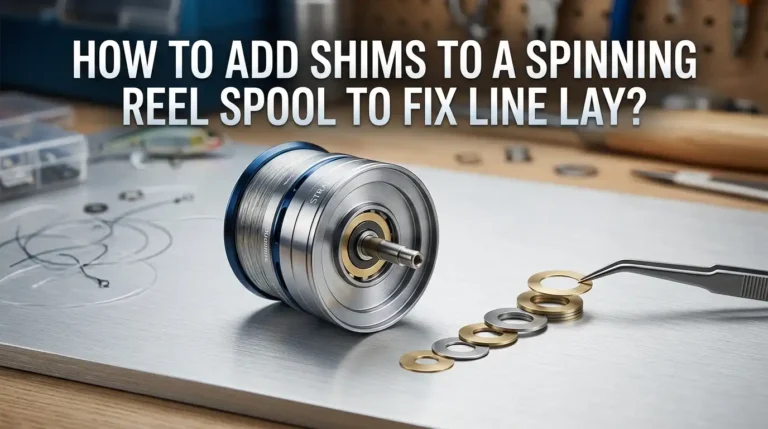
Pull the drag washers and metal plates out carefully. Note their exact order and orientation. Take a photo with your phone so you remember how to reassemble them. Mixing up the washer sequence can create new problems.
Wipe each washer and plate with a clean, lint free cloth. For stubborn salt or grime, use a small amount of brake cleaner on a rag. Do not soak carbon fiber washers in solvent as this can damage them. For metal plates with light corrosion, use fine grit sandpaper or steel wool to polish the surface smooth.
Pros of cleaning: Free, quick, and often solves the problem immediately. Cons of cleaning: Will not fix washers that are physically worn down or cracked.
How to Apply Drag Grease Correctly
After cleaning, your drag washers need fresh grease. Use a grease made for fishing reel drag systems. General purpose grease or motor oil can reduce friction instead of helping it.
Apply a very thin layer of drag grease to each washer surface. Put a small dab on your fingertip and rub it evenly across the washer face. The goal is a light film, not a thick coat. Too much grease acts as a lubricant and causes the drag to slip even more.
Reassemble the washers and plates in the correct order. Place each piece back into the spool exactly as you removed it. Tighten the drag knob and test the feel by pulling line from the spool with your hand.
Pros of proper greasing: Extends washer life, creates smooth and consistent pressure. Cons of improper greasing: Over application makes slipping worse, and using the wrong grease damages washers.
When to Replace Your Drag Washers
Cleaning and greasing only go so far. If your washers are physically worn, compressed, or cracked, replacement is the only real fix. Felt washers lose their thickness over time and cannot be restored.
You should replace washers if they have become thin compared to new ones, show visible cracks or chips, feel glazed and smooth on the friction surface, or have warped from heat exposure. Most manufacturers recommend replacing drag washers every one to two years for heavy use anglers.
Order replacement washers from the reel manufacturer or an aftermarket supplier. Make sure you get the correct size and thickness for your specific reel model. Installing the wrong size washer can prevent the drag from engaging properly.
Pros of replacement: Restores full drag power, eliminates persistent slipping. Cons of replacement: Costs money, requires knowing the correct part numbers for your reel model.
How to Upgrade to Carbon Fiber Drag Washers
If your electric reel came with felt drag washers, upgrading to carbon fiber is a smart move. Carbon fiber washers deliver smoother, stronger, and more heat resistant drag performance. Aftermarket options can increase your drag capacity by up to 20%.
Remove your old washers following the cleaning steps above. Match the dimensions of your stock washers to the aftermarket carbon fiber replacements. Some suppliers sell precut washers sized for specific reel models. Others sell sheets that you can cut to custom sizes.
Install the new washers in the same order and orientation as the originals. Apply a thin coat of drag grease to each washer before assembly. Tighten the drag and test the line pull to confirm everything works correctly.
Pros of upgrading: Higher max drag, smoother engagement, better heat resistance, longer lifespan. Cons of upgrading: Higher upfront cost, need to match exact dimensions, may void manufacturer warranty on some reels.
How to Set Your Drag to the Right Tension
Setting your drag too loose causes obvious slipping. But setting it too high creates a different risk. The general rule is to set your drag at 20% to 30% of your line’s breaking strength.
For example, if you use 50 pound test braid, set your drag between 10 and 15 pounds. Use a hand held fish scale to measure this accurately. Attach the scale to your line, hold the rod at a 45 degree angle, and pull until the drag starts to give. Read the scale at the point where line begins to slip.
Adjust the drag knob or lever until the scale reads your target weight. Check your drag setting before every trip. Temperature changes, storage conditions, and washer compression can shift your drag between outings.
Pros of using a scale: Precise and repeatable results every time. Cons of guessing without a scale: Inconsistent settings that lead to lost fish or broken line.
How to Prevent Braid from Slipping on the Spool
Sometimes the drag is fine, but the line itself slips on the spool. This is especially common with braided line, which has a smooth surface that does not grip bare metal well.
Spool slippage feels identical to drag slippage but has a different cause. If your drag knob is fully tightened and line still comes off, the braid is spinning freely around the spool axle.
Fix this by adding a strip of electrical tape around the spool before you wind on braid. The tape creates a textured surface that the braid can grip. Another option is to spool a short base layer of monofilament first, then tie your braid to the mono. The mono grips the spool naturally and anchors the braid above it.
Pros of mono backing: Reliable grip, fills the spool efficiently. Cons of mono backing: Adds a knot connection between mono and braid.
Common Mistakes That Ruin Your Drag System
Many anglers damage their drag systems without realizing it. Storing your reel with the drag fully tightened is one of the most common mistakes. This compresses the washers into a permanent flat shape and reduces their ability to create friction.
Using WD 40 or general household oil on drag washers is another frequent error. These products strip away the friction that washers need to function. Only use grease or oil designed specifically for reel drag systems.
Rinsing your reel under high pressure water can force moisture and debris into the drag stack. Use a gentle stream of fresh water instead. Also, avoid cranking the drag knob down hard while fighting a fish. Sudden, extreme tightening can crack washers and damage internal components.
Saltwater Care Tips for Electric Reel Drags
Saltwater is the biggest enemy of drag system longevity. Salt crystals form between washers and plates as water evaporates inside the reel. These crystals create rough spots that cause sticky or jerky drag engagement.
After every saltwater trip, tighten the drag fully and rinse the reel under a gentle stream of fresh water for 30 seconds. This prevents salt water from seeping deeper into the drag stack during rinsing. After rinsing, loosen the drag completely and let the reel air dry in a shaded area.
Every three to five trips, remove the spool and clean the drag washers following the steps described earlier in this post. Saltwater anglers should apply fresh drag grease more often than freshwater anglers. A clean, well greased drag system resists corrosion and performs better for longer.
When to Take Your Reel to a Professional
Some drag problems go beyond a simple washer swap. If you have cleaned, greased, and replaced washers but the drag still slips, internal damage may be the cause. Bent drag plates, worn gears, or a damaged drag knob mechanism all require professional repair.
Electric reels add another layer of complexity. The motor, wiring, and electronic controls sit close to the drag system. Opening the wrong section of the reel can damage sensitive electronic components. If you are not comfortable working inside the reel body, a certified reel technician is your safest option.
Professional service usually includes a full tear down, cleaning, parts replacement, and reassembly. This restores the reel to factory specifications. The cost is higher than a DIY fix, but you get peace of mind knowing the job is done right.
Pros of professional service: Thorough, handles complex issues, preserves warranty. Cons of professional service: More expensive, requires shipping or travel to a qualified technician.
Frequently Asked Questions
Why does my electric reel drag slip only under heavy load?
Your drag washers may still have enough friction for light pulls but lose grip under higher pressure. This usually means the washers are partially worn or the drag grease has dried out. Clean the washers, apply fresh grease, and test again. If slipping continues, replace the washers entirely.
How often should I replace the drag washers on my electric reel?
For anglers who fish frequently in saltwater, replacing washers every 12 to 18 months is a good practice. Freshwater anglers can go longer, often two to three years. Always inspect washers at the start of each season and replace them if you see signs of wear.
Can I use regular grease on my drag washers?
No. Regular automotive or household grease reduces the friction your washers need to hold. Always use grease made for fishing reel drag systems. Products with a Teflon or PTFE base work well for most carbon fiber and felt washers.
What is the best drag setting for deep drop fishing with an electric reel?
Set your drag to about 25% of your line’s rated breaking strength. For 80 pound test line, that means roughly 20 pounds of drag. Use a hand held scale to measure and adjust before every drop. Deep drop fishing puts sustained load on your drag, so accuracy matters.
Is it better to use felt or carbon fiber drag washers?
Carbon fiber washers outperform felt in almost every category. They handle heat better, last longer, and deliver smoother pressure. Felt washers are cheaper but wear out faster and can become sticky. Upgrading to carbon fiber is a worthwhile investment for any serious angler.
Should I loosen the drag on my electric reel during storage?
Yes. Always back off the drag knob completely before storing your reel. Leaving it tight compresses the washers and reduces their grip over time. This simple habit is one of the best things you can do to prevent future drag slipping problems.

Hi, I’m Ivy Webb, the passionate angler and creator behind BaitHookVault.com. I spend my days out on the water personally testing and reviewing a wide variety of fishing tools and gear.