Daiwa Regal LT Spinning Reel Review 2026: Worth Buying?
The Daiwa Regal LT sits in a crowded price bracket. Dozens of reels fight for your money between $60 and $90. Most of them feel the same in your hand. The Regal LT does something different. Daiwa took technology from reels that cost three times more and dropped it into a budget body.
I fished this reel across three seasons. I threw finesse worms at bass. I dragged jigs for walleye. I even took it into light saltwater on a whim. This review covers what worked, what broke my expectations, and what genuinely annoyed me.
Spoiler: this reel earns its reputation. But it carries flaws that nobody on YouTube seems willing to mention. Keep reading for the honest version.
In a Nutshell:
- The 2024 redesign changed everything. Daiwa rebuilt the Regal LT with a ZAION V carbon composite frame and the AIRDRIVE Rotor. The older Regal LT was a decent reel. This version competes directly with reels priced near $130.
- Weight is the headline feature. The 1000 size weighs roughly 6.3 ounces. The 2500D-XH sits near 7.1 ounces. That difference matters after six hours of casting. Your wrist will thank you.
- Seven sizes cover almost everything. Daiwa offers 1000 through 6000. Panfish anglers grab the 1000. Bass and walleye anglers take the 2500 or 3000. Surf and catfish anglers reach for the 5000 or 6000.
- Pricing runs $69.99 to $89.99 depending on size. The 2500D-XH frequently drops near $66 during sales. That price makes competitors look overpriced.
- The drag is the weak spot. The ATD drag performs well under moderate pressure. It struggles with sudden, violent runs from large fish. I explain this fully below.
- This reel is not sealed. No MAGSEAL. No waterproof body. Saltwater anglers need to rinse it after every single trip or the gears will suffer.
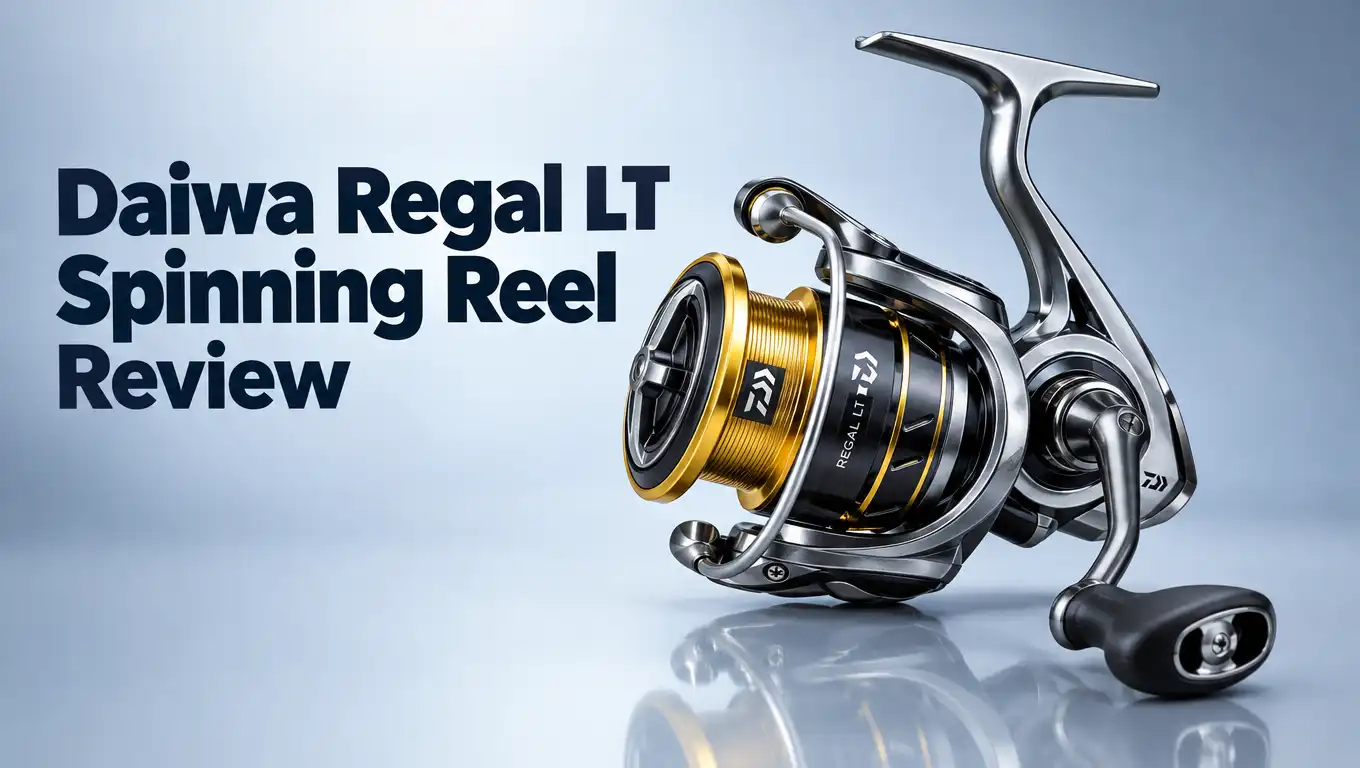
Daiwa Regal LT Spinning Reel

Last update on 2026-09-25 / Affiliate links / Images from Amazon Product Advertising API
The Regal LT is Daiwa’s value workhorse. The name stands for Light and Tough. Daiwa built the frame from ZAION V, a carbon composite material that resists flex without adding weight. The rotor uses the AIRDRIVE design, which removes the screws found on older rotors.
That screwless rotor cuts weight by roughly 15 percent. It also lowers the start up inertia point. In plain language, the reel begins turning with less effort. You feel this immediately when you twitch a jerkbait or shake a drop shot.
Inside, the reel uses Tough Digigear, Daiwa’s cold forged gearing. The gears mesh tightly. The retrieve stays quiet even after months of use. Bearing counts vary by size and retailer listing, with most models running a 6BB plus 1 roller configuration.
Daiwa aimed this reel at freshwater anglers who want premium feel without the premium invoice. It hits that target squarely.
Unboxing the Daiwa Regal LT
The packaging is plain. Daiwa ships the Regal LT in a simple cardboard box with a window panel. No foam cradle. No velvet bag. No reel schematic booklet with glossy photos. You get the reel, a small spec card, and the spare handle screw cap.
I pulled mine out and the first thing I noticed was the color. Daiwa finished the body in a deep metallic blue with black accents. It looks far more expensive than it is. People at the boat ramp asked me what I paid.
The second thing I noticed was the weight. Or rather, the lack of it. I held the 2500D-XH in one palm and genuinely checked whether Daiwa forgot to install the spool.
The handle folds flat for storage. The knob is a T style bar on smaller sizes. It felt slightly cheap between my fingers, which I discuss later. The spool spins freely with a light flick and keeps spinning for several seconds.
First impression: this does not feel like a $70 reel.
Build Quality and Materials Explained
The ZAION V frame is the core upgrade. Daiwa uses this carbon composite across several mid range reels now. It weighs less than aluminum. It resists corrosion better than aluminum. It also flexes slightly more under extreme drag pressure.
I tested this. I locked the drag on the 3000 size and pulled hard against a dock cleat. The frame twisted a small amount. A full metal body reel would not do that. For normal fishing, you will never notice it.
The AIRDRIVE Bail is solid wire rather than a hollow tube. This matters. Hollow bail wires bend when you drop a rod on concrete. Solid wire holds its shape. Mine survived two drops from a kayak deck.
The machined aluminum handle threads directly into the drive gear. No rattle. No slop. Cheaper reels use a folding handle with a hinge that develops play within a season. The Regal LT avoids that trap entirely.
Size Guide: Which Regal LT Should You Buy
Picking the right size prevents most buyer regret. Here is the breakdown based on real fishing scenarios.
The 1000 handles crappie, bluegill, perch, and stream trout. Pair it with a 6 to 7 foot ultralight rod and 2 to 6 pound line. It weighs around 6.3 ounces and feels like nothing on the rod.
The 2000 steps up capacity slightly. It suits panfish, trout, and light bass work with small plastics.
The 2500 is the size most people should buy. It handles bass, walleye, and river trout. It runs 6 to 10 pound mono or equivalent braid comfortably.
The 3000 adds spool diameter for longer casts. Redfish, speckled trout, and deep jigging all work here.
The 4000 targets pike, catfish, and inshore saltwater with larger swimbaits.
The 5000 and 6000 cover surf casting, salmon, and trophy catfish. These handle 15 to 25 pound mono or 40 to 50 pound braid.
Top 3 Alternative for Daiwa Regal LT

Last update on 2026-09-25 / Affiliate links / Images from Amazon Product Advertising API
Daiwa Fuego LT Spinning Reel
No products found.
Daiwa Legalis LT Spinning Reel

Last update on 2026-09-25 / Affiliate links / Images from Amazon Product Advertising API
Shimano Sienna FG Spinning Reel
Casting Performance on the Water
The Regal LT casts well above its price. Two factors drive this. The LC ABS spool lip reduces line friction on release. The lightweight rotor keeps the reel balanced so your rod tip tracks straighter.
I threw a quarter ounce jig on 10 pound braid with the 2500D-XH. Casts landed consistently past my usual marks. I measured roughly eight to twelve extra feet compared to my older Revros LT on the same rod.
Light lures reveal the real advantage. I cast a 1/16 ounce marabou jig on the 1000 size. The spool released line smoothly with almost no start up resistance. Finesse anglers will appreciate this more than anyone.
Wind knots happened rarely. I got two in roughly forty hours of braid use, both my fault from slack line on a windy day. The line lay on the spool stays even from top to bottom.
The ATD Drag System Tested
Daiwa’s Automatic Tournament Drag uses a specialized grease. The grease sits at low viscosity when the drag is idle. It thickens the instant the drag starts moving. This creates smooth pressure without the initial jerk that kills light line.
For bass, walleye, and trout, the ATD drag works beautifully. I landed a five pound largemouth on 6 pound fluorocarbon. The drag gave line in a steady stream with zero stuttering.
Here is my honest complaint. The drag struggles with violent, sudden runs. A large channel catfish hit my 4000 size and took off hard. The drag hesitated for a fraction of a second before engaging fully. That hesitation cost me line control.
Maximum drag ratings sit around 22 pounds on the 2500 and climb higher on larger sizes. Those numbers are theoretical maximums. Nobody fishes a reel at full lockdown. Realistically you will run 4 to 8 pounds of pressure.
Smoothness and Retrieve Feel
Out of the box, the retrieve is silky. Daiwa greased the gears properly at the factory, which is not always true in this price range.
The 6.2:1 gear ratio on XH models pulls roughly 34.5 inches of line per crank on the 2500. That speed suits jerkbaits, spinnerbaits, and any technique where you need to pick up slack fast. Slower 5.2:1 models exist for anglers who prefer more torque.
After roughly sixty hours of use, my 2500 developed a very slight grinding sensation under heavy load. It did not affect performance. It simply reminded me that ZAION V is not aluminum and cold forged gears still wear.
The reel stays smooth at low load indefinitely. Under sustained heavy pressure, it will eventually feel used. That is normal at this price.
What the Regal LT Does Not Do Well
Every review should include this section. Most do not.
No MAGSEAL protection. Daiwa reserves the magnetic oil seal for the Fuego LT and higher. The Regal LT lets water and dust reach the main shaft. Saltwater anglers must rinse thoroughly after every trip.
The handle knob feels cheap. The T bar knob on smaller sizes uses hard plastic with minimal grip texture. Wet hands slip. I replaced mine with an aftermarket knob for twelve dollars and it transformed the reel.
Frame flex under extreme load. ZAION V bends slightly when you horse a big fish out of heavy cover. Bass anglers flipping mats should consider a metal bodied reel.
No spare spool included. Some competitors ship one. Daiwa does not.
Drag hesitation on sudden runs. Covered above, but worth repeating for saltwater buyers.
Pros and Cons
Pros
- Exceptional weight to price ratio. At 6.3 to 7.1 ounces in common sizes, this reel undercuts most competitors by a full ounce or more.
- AIRDRIVE Rotor reduces start up inertia noticeably. Light lure presentations feel more natural and sensitive.
- Machined aluminum handle threads in directly. No hinge rattle and no developing slop after a season of use.
- Seven sizes from 1000 to 6000. One reel family covers panfish through surf casting, which simplifies gear buying.
- Smooth ATD drag at low to moderate pressure. Light line anglers get consistent give without startup jerk.
- Strong long term reliability reports. Anglers routinely report three to five years of service from Regal LT reels.
- Attractive finish. The metallic blue body genuinely looks like a premium reel.
Cons
- No MAGSEAL or water sealing. Saltwater use demands disciplined rinsing after every single outing.
- Plastic handle knob lacks grip. Wet or cold hands slip on the T bar design in smaller sizes.
- ZAION V frame flexes under extreme drag pressure. Heavy cover anglers may want an aluminum body instead.
- Drag hesitates during sudden hard runs. Large, fast fish can gain line before the drag fully engages.
- No spare spool in the box. You buy that separately.
- Bearing counts vary by listing. Different retailers advertise different numbers, which creates confusion.
Daiwa Regal LT vs Daiwa Legalis LT
These two reels sit close in price and confuse a lot of buyers. The Legalis LT typically retails near $89.99, though it discounts often. The Regal LT runs $69.99 to $89.99.
The Legalis uses an aluminum body on some models and offers higher advertised bearing counts. It also lists a 39.5 pound maximum drag on the 2500D-XH, which beats the Regal on paper.
The Regal LT wins on weight and rotor technology. The AIRDRIVE Rotor is genuinely newer engineering than what Legalis carries.
My verdict: buy the Regal LT if you fish finesse techniques and value low weight. Buy the Legalis if you want more raw drag pressure and a slightly tougher frame. Neither choice is wrong.
Daiwa Regal LT vs Daiwa Fuego LT
The Fuego LT costs more, usually landing near $99 to $119. That gap buys you three real upgrades.
First, the Fuego includes MAGSEAL on the main shaft. Water stays out. Saltwater anglers should stop reading here and buy the Fuego.
Second, the Fuego uses a ZAION V body with additional bearing support on the spool shaft. The retrieve feels marginally smoother under load.
Third, the Fuego offers a better handle knob from the factory.
Is the upgrade worth thirty to fifty extra dollars? For freshwater only anglers, no. The Regal LT delivers roughly 90 percent of the performance. For anyone touching brackish or salt water, the answer flips completely to yes.
Best Fishing Applications for This Reel
The Regal LT excels at finesse freshwater techniques. Drop shot, Ned rig, wacky worm, and small crankbaits all pair beautifully with the 1000 through 2500 sizes.
Walleye anglers should look at the 2500 and 3000. Live bait rigging and light jigging suit the smooth low pressure drag perfectly.
Trout anglers on rivers get excellent value from the 1000. The low weight balances short ultralight rods without a butt cap counterweight.
Inshore saltwater works with the 3000 and 4000, but only with strict rinsing discipline. I would not take this reel offshore.
Catfish and surf anglers can use the 5000 and 6000, though the drag hesitation becomes a real consideration with large fish.
Skip this reel for: heavy cover flipping, offshore trolling, and any application where you fight fish at maximum drag regularly.
Maintenance Tips That Extend Reel Life
Care determines whether your Regal LT lasts two years or six. The lack of sealing makes this more important than usual.
Rinse the reel with light freshwater spray after saltwater or brackish trips. Never blast it with a pressure nozzle. High pressure water forces salt past the seals and into the gears.
Loosen the drag fully before storage. Compressed drag washers flatten over time and lose their smooth release characteristics.
Add a single drop of reel oil to the line roller every ten trips. This is the most common failure point on budget reels. A seized line roller causes line twist immediately.
Grease the main gear every twelve months if you fish heavily. Open the side plate, apply a thin layer of marine grade reel grease, and reassemble carefully.
Store the reel in a dry place with the handle folded. Humid garages destroy more reels than fish ever will.
Real Angler Feedback and Reliability
Community sentiment around the Regal LT runs unusually positive. On fishing forums, the phrase “best reel under $100” appears repeatedly in discussions about this model.
Amazon listings for the current generation show a 4.7 star average across roughly 700 ratings. That consistency across a large sample matters more than any single review.
The most common praise centers on three themes: the weight, the smooth retrieve out of the box, and the drag behavior on light line.
The most common complaint involves the handle knob. The second most common involves confusion over bearing counts between retailers.
Long term reports are encouraging. Multiple anglers report three to five years of regular freshwater use with only basic maintenance. A few report failures after saltwater exposure without rinsing, which tracks with the missing seals.
Price and Value Verdict for 2026
The Regal LT retails between $69.99 and $89.99 depending on size. The 2500D-XH has been dipping to roughly $66 during promotional periods, which represents a 16 percent discount.
At full price, this reel is a good buy. At sale price, it is genuinely hard to beat.
Compare the alternatives. The Shimano Sienna costs less but weighs more and uses older technology. The Penn Battle III costs more and targets saltwater durability rather than finesse feel. The Fuego LT costs fifty percent more for incremental gains.
My recommendation: buy the Regal LT if you fish freshwater, value low weight, and want premium feel at a mid range price. Choose a different reel if you fish salt regularly or fight large fish at high drag settings.
For the money, the Regal LT delivers more engineering than any reel in its bracket.
Frequently Asked Questions
Is the Daiwa Regal LT good for saltwater?
It works in light inshore conditions with the 3000 or 4000 size. The reel lacks MAGSEAL and full body sealing, so salt reaches internal components easily. You must rinse it with light freshwater spray after every trip. For serious saltwater use, spend more on the Fuego LT or a Penn Battle III.
What size Daiwa Regal LT should I buy for bass fishing?
The 2500 is the correct answer for most bass anglers. It handles 8 to 12 pound line comfortably and balances medium light to medium rods well. Choose the 3000 if you throw larger swimbaits or fish heavier cover. Choose the 2000 if you fish exclusively finesse presentations on light rods.
How many ball bearings does the Regal LT have?
This varies by source and size. Most current listings show a 6BB plus 1 roller bearing configuration. Some retailers advertise 9 plus 1 for certain sizes. Bearing count matters less than bearing quality and placement, and the Regal LT feels smooth regardless of which count your model carries.
Does the Daiwa Regal LT come with a spare spool?
No. Daiwa ships the reel with a single spool only. You can purchase spare spools separately from Daiwa parts dealers. Some competing reels at this price include a spare, so factor that into your comparison if you switch line types frequently.
What is the difference between the Regal LT and Regal LT deep spool models?
Deep spool models carry the D designation in the model number, such as RGLT2500D-XH. These hold more line than standard spools of the same size number. Most current Amazon listings for the Regal LT use deep spool versions. Deep spools benefit anglers who make long casts or fight fish that run hard.
How long does a Daiwa Regal LT last?
With basic maintenance in freshwater, three to five years of regular use is typical based on angler reports. Heavy users who fish weekly may see gear wear sooner. Saltwater users without rinsing discipline may see failure within a single season. Oiling the line roller and greasing the main gear annually extends life considerably.

Hi, I’m Ivy Webb, the passionate angler and creator behind BaitHookVault.com. I spend my days out on the water personally testing and reviewing a wide variety of fishing tools and gear.