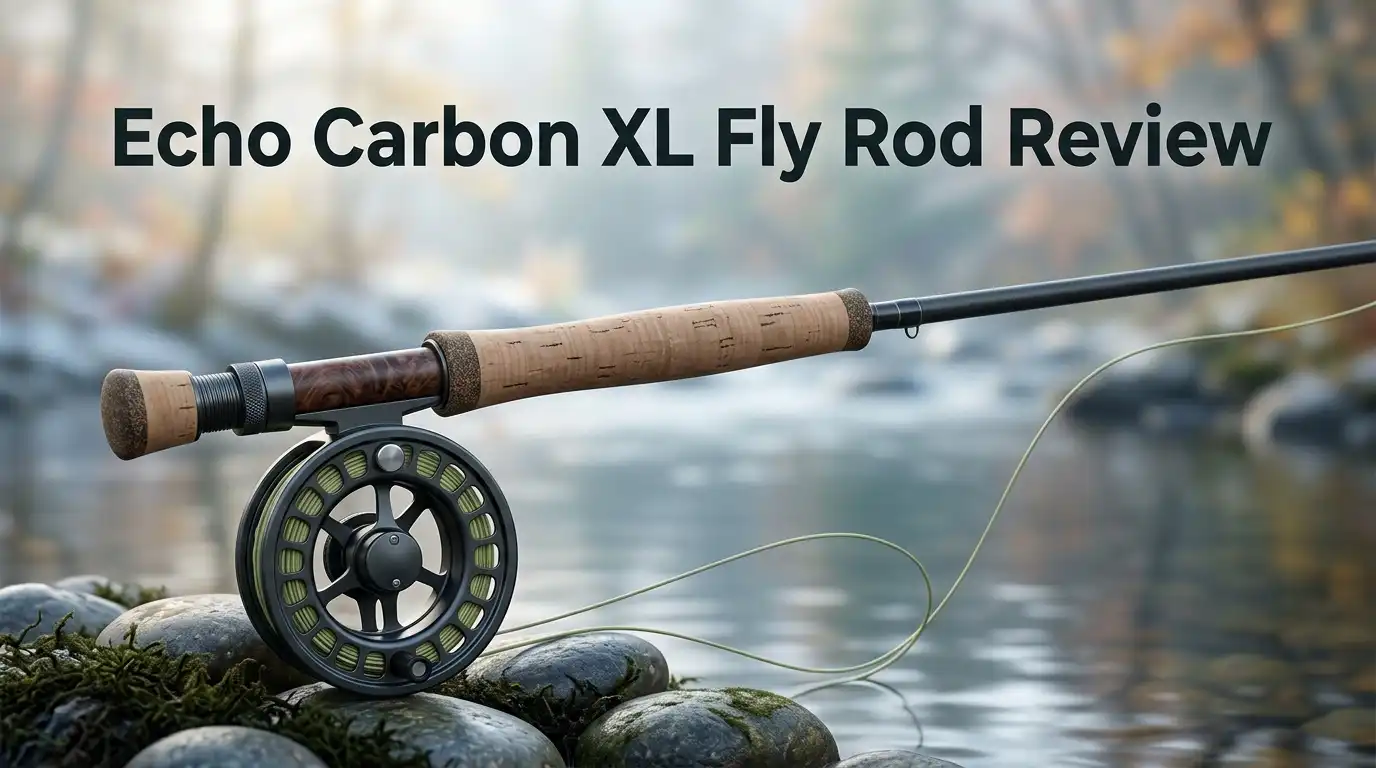
Echo Carbon XL Fly Rod Review 2026: Still Worth It?
The Echo Carbon XL has quietly become one of the most recommended trout rods in fly shops across the country.
It sits in that sweet spot where the price stays reasonable but the casting feel punches way above the sticker. Anglers keep buying it, guides keep handing it to clients, and used models rarely sit long on resale boards.
But 2026 brings a different market. Prices climbed. Competitors got better. Beginners now have a dozen solid choices under three hundred dollars. So the real question is simple. Does the Carbon XL still earn a spot in your quiver?
In A Nutshell:
- The feel is the main selling point. The Carbon XL loads smoothly at 20 to 40 feet, which is where most trout fishing actually happens. The rod tells your hand exactly when it is ready to fire forward. That feedback makes average casters look better than they are.
- Moderate action with extra tip speed. Echo calls it medium fast. In practice it behaves like a forgiving medium action rod with a slightly crisper tip. Beginners with sloppy timing still form decent loops with it.
- Build quality looks expensive. You get a rich brown blank, alignment dots on every ferrule, lightweight single foot guides, a carbon fiber reel seat insert, and a fabric covered tube with a cloth sock. Nothing about it feels cheap in the hand.
- It is not a distance cannon. Past 50 feet the rod softens and struggles, especially in wind. Heavy streamer rigs and big split shot setups also overload the tip.
- Price moved up. Echo now lists the Carbon XL near $289.99, though street pricing at many shops lands lower. The value story is still strong, but it is no longer the bargain it was five years ago.
- Best fit: trout anglers, dry fly fans, panfish chasers, and newer casters who want one rod that does most freshwater jobs well.
Echo Carbon XL Fly Rod

Last update on 2026-09-29 / Affiliate links / Images from Amazon Product Advertising API
The Carbon XL is Echo’s all around freshwater trout series, designed by casting champion Tim Rajeff. Echo builds it in six main single hand models, from a delicate 7 foot 3 inch 2 weight up to a 9 foot 6 weight. Every model is a four piece rod. Every model ships with a rod sock and a fabric covered tube.
The idea behind the series is range. Echo did not build a specialist. They built a rod that handles dry flies, nymph rigs, and light streamers without complaining about any of them.
The 9 foot 5 weight is the star of the lineup. It covers freestone rivers, spring creeks, stocked ponds, and mountain lakes. If you own one trout rod, this size makes the most sense. The shorter 3 weight and 4 weight models shine on tight creeks where a long rod fights the brush.
Unboxing The Echo Carbon XL
The unboxing is calm and simple, and that fits the brand. The rod arrives in a black fabric covered tube with a screw on cap and a printed Echo label. Inside sits a dark cloth sock with individual sleeves for each section. No plastic clamshell. No wasted packaging.
Sliding the sections out is the first pleasant surprise. The blank has a deep brown finish that flashes reddish in sunlight, almost like rosewood. It looks like a rod priced far higher.
The cork feels firm with a few small filler spots, which is normal at this price. The reel seat has a glossy carbon fiber insert that catches light nicely. Small white alignment dots sit at every ferrule, so assembling the rod straight takes about ten seconds.
The whole package weighs almost nothing in your hand. First impression? This looks like a rod someone thought about.
Build Quality And Components
Echo kept the components smart rather than flashy. The Carbon XL uses lightweight single foot guides through most of the blank with ceramic stripping guides down low. Single foot guides shave weight and let the blank flex naturally, which helps the smooth action.
The reel seat is an anodized aluminum uplocking style with a carbon insert. It holds a reel tight and has not loosened on me during long sessions. The 9 foot 5 weight comes in at 3.5 ounces, which sits right around average for this class.
Grip shape changes by model. Shorter light line rods get a cigar style grip for delicate work. The 9 foot rods use a half wells grip for more pushing power.
Honest note: the cork is good, not premium. Expect a few filled pits. The wraps are clean but the epoxy has a slight ripple in spots. Neither affects fishing.
Top 3 Alternative for Echo Carbon XL Fly Rod

Last update on 2026-09-28 / Affiliate links / Images from Amazon Product Advertising API
Redington Classic Trout Fly Rod

Last update on 2026-09-28 / Affiliate links / Images from Amazon Product Advertising API
Orvis Clearwater Fly Rod Outfit

Last update on 2026-09-28 / Affiliate links / Images from Amazon Product Advertising API
Redington Vice Fly Rod
Casting Performance On The Water
This is where the Carbon XL earns its reputation. At short range the rod loads with almost no effort. Roll casts pop off the water cleanly. At 25 to 40 feet the rod hits its stride and everything clicks. Your arm, the rod, the line, and the fly feel like one connected system.
The tip has enough speed to turn over a hopper dropper rig without collapsing. Drop down to a size 20 dry and the rod still lays it down softly. That range is the real magic here.
Accuracy is good but not exceptional. I hit my targets at normal fishing distance, though I did not shoot tighter loops than I do with other rods in this class.
Push past 50 feet and the story changes. The rod gets soft, loops widen, and wind wins. This rod fishes close water beautifully and long water reluctantly.
Action And Power Explained Simply
Echo places the Carbon XL in the moderate action, medium power zone of its own comparison chart. Action comes from the top half of the blank. Power comes from the bottom half.
A moderate action means the rod bends deeper into the blank during the cast. That deeper bend creates a wide sweet spot for timing, which forgives a rushed stroke or a late stop. Beginners benefit enormously from this.
Echo describes the tip as having a little more zip than a standard medium action. I agree. It behaves like a medium action rod that wakes up slightly faster.
The medium power rating matters too. The blank protects light tippet and cushions head shakes from good fish. It will not muscle a hot rainbow out of fast current the way a stiff fast action rod does. That is a fair tradeoff for feel.
Echo Carbon XL Specs At A Glance
Every Carbon XL single hand model shares the same core recipe: four sections, moderate action, medium power, fabric tube and sock included.
Model breakdown:
- 7 foot 3 inch 2 weight (CBXL 273): 2.7 ounces. Tiny flies and delicate presentations.
- 7 foot 6 inch 3 weight (CBXL 376): 2.8 ounces. Small stream dry fly work.
- 8 foot 4 inch 4 weight (CBXL 484): 3.3 ounces. Versatile trout and panfish rod.
- 9 foot 4 weight (CBXL 490): 3.4 ounces. Longer reach for dries and light nymphing.
- 9 foot 5 weight (CBXL 590): 3.5 ounces. The do everything trout rod.
- 9 foot 6 weight (CBXL 690): 3.7 ounces. Hoppers, streamers, and bigger fish.
Echo also builds a Carbon XL Euro Nymph version for anglers focused on tight line tactics. That rod casts very differently and suits a specific style, so treat it as a separate tool.
Pros And Cons Of The Echo Carbon XL
Pros
- Outstanding casting feel at real fishing distances between 20 and 40 feet.
- Forgiving timing window that helps beginners and relaxed casters succeed quickly.
- Looks far more expensive than it costs, with a deep brown blank and carbon reel seat insert.
- Handles dries, nymph rigs, and light streamers without feeling awkward at any of them.
- Light in hand at 3.5 ounces for the 9 foot 5 weight, so all day fishing stays comfortable.
- Alignment dots, a quality sock, and a fabric covered tube come standard.
- Backed by Echo’s lifetime original owner warranty with an affordable repair fee.
Cons
- Struggles beyond 50 feet, especially into wind.
- Medium power blank feels underpowered with heavy split shot or weighted streamers.
- Cork quality is average with visible filler spots.
- Price increased significantly compared to earlier years.
- Some anglers find the action too soft and recommend sizing up one line weight.
- Not the best pick for saltwater, bass, or big fly work.
What The Echo Carbon XL Does Not Do Well
Honest reviews name the weak spots, so here they are. Wind is this rod’s biggest enemy. On gusty days the softer blank loses line speed and your loops open up. You end up muscling casts, which makes the problem worse.
Distance is the second limit. Between 40 and 50 feet the rod holds together with effort. Past that it gets mushy. If you regularly fish big western rivers or stillwaters where 60 foot casts matter, look at a faster rod.
Heavy rigs cause the third issue. Two nymphs plus a large indicator plus split shot makes the tip hinge. The cast turns into a lob rather than a cast.
Several experienced anglers on forums suggest sizing up. A 6 weight Carbon XL handles what many people expect from a 5 weight. Keep that in mind before ordering.
Best Reel And Line Pairings
Balance matters more than brand. The 9 foot 5 weight weighs 3.5 ounces, so pair it with a reel in the 4.5 to 5.5 ounce range. Heavier reels tip the balance point behind your hand and make the rod feel sluggish.
The Echo Bravo LT and Echo Ion are natural matches since Echo designed them alongside these rods. Lamson Liquid, Redington Behemoth, and Orvis Clearwater reels also balance well.
Line choice changes this rod more than anything else. A standard weight forward floating line in true 5 weight works great for dries. If you mostly fish nymph rigs or windy water, a half size heavy line loads the rod faster and adds punch.
Avoid heavily overweighted bass or streamer tapers. They overload the moderate blank and kill the feel that makes this rod special.
Who Should Buy The Echo Carbon XL
This rod suits three groups perfectly. First, beginners who have outgrown a starter combo and want their first real rod. The forgiving action shortens the learning curve dramatically.
Second, dry fly anglers who value presentation over power. The soft tip drops flies gently and protects 6X tippet during quick hooksets.
Third, anglers who want one rod for many jobs. Small creeks, medium rivers, panfish ponds, and light lake work all fall inside its range.
Skip this rod if you fish heavy streamers, chase bass, fish saltwater flats, or face wind constantly. A fast action rod like the Echo Boost or Fenwick Aetos serves those situations much better.
Also skip it if you already own a medium action rod you love. The Carbon XL will not feel dramatically different from other good moderate rods.
Price And Value In 2026
Echo lists the Carbon XL at $289.99 on its own site in 2026. Shops and online retailers often sell it lower, with common street prices landing between $199 and $260 depending on model and stock.
That is a real increase. Older reviews praised this rod at around $170, where it was an obvious steal. At $289 it now competes directly with the Orvis Clearwater and the Redington Vice.
Does it still represent value? Yes, but the gap narrowed. You are paying for casting feel and finish rather than raw performance numbers.
The warranty helps. Echo covers the rod for the original owner’s lifetime, with a modest repair or replacement fee per section. That safety net matters for a four piece rod that lives in car doors and boat decks.
Shop sales in late winter. Deals appear often.
Care And Maintenance Tips
Fly rods break from carelessness far more than from fish. A few habits keep this one alive for decades.
Rinse the rod with warm freshwater after any saltwater or muddy day. Pay attention to the spots where guide feet meet the blank and to the metal reel seat parts. Salt hides in those gaps and corrodes hardware quietly.
Keep sand and grit out of the ferrules. Wipe each male ferrule with a clean cloth before assembly. A tiny bit of paraffin wax restores grip if a ferrule starts slipping.
Never wrap tape around a loose ferrule. That traps moisture and hides the real problem.
Add a drop of reel oil or light grease to the reel seat threads once a season so the locking rings turn smoothly.
Break the rod down before walking through brush or loading it into a vehicle. That single habit prevents most tip breaks.
Final Verdict On The Echo Carbon XL Fly Rod
Last update on 2026-09-29 / Affiliate links / Images from Amazon Product Advertising API
The Echo Carbon XL remains one of the most enjoyable trout rods you can buy without spending premium money. Its strength is feel, not statistics. The rod loads early, signals clearly, and makes normal fishing distances feel effortless.
It will not win a distance contest. It will not throw heavy streamers into a headwind. It will not impress anglers who chase stiffness and line speed.
What it will do is make a day on a trout stream more fun. That counts for a lot.
For beginners, this is a confidence building rod that grows with you. For experienced anglers, it is a pleasant dry fly and light nymph tool that costs a fraction of a flagship rod.
Verdict: still a strong buy in 2026, especially when you catch it on sale. Choose the 9 foot 5 weight if you want maximum versatility, or size up to the 6 weight if wind and weight are part of your normal fishing.
Frequently Asked Questions
Is the Echo Carbon XL good for beginners?
Yes. The moderate action gives a wide timing window, so new casters form decent loops faster. The rod also provides clear feedback when it loads, which teaches good rhythm. Pair it with a quality weight forward floating line for the best learning experience.
What weight Echo Carbon XL should I buy first?
The 9 foot 5 weight handles the widest range of freshwater situations. It casts small dries, standard nymph rigs, and light streamers. Choose the 8 foot 4 inch 4 weight for tight small streams, or the 9 foot 6 weight if you face wind or fish bigger flies often.
Is the Echo Carbon XL fast action?
No. Echo rates it as moderate action with a slightly quicker tip than most medium action rods. It bends deeper into the blank than a fast action rod. Anglers who prefer stiff, high line speed rods should look at the Echo Boost instead.
Can the Echo Carbon XL handle euro nymphing?
The standard Carbon XL works for light tight line nymphing at short range. Echo builds a dedicated Carbon XL Euro Nymph model with a longer length and softer tip for that style. Serious euro anglers should choose the dedicated version.
Does the Echo Carbon XL come with a warranty?
Yes. Echo offers a lifetime warranty to the original owner. Broken sections get repaired or replaced for a reasonable service fee. Keep your purchase receipt and register the rod when you buy it.
Is the Echo Carbon XL worth the higher 2026 price?
It depends on what you value. If casting feel and smooth presentation matter most to you, yes. If you want maximum power and distance for the money, other rods in the same price bracket deliver more raw performance.

Hi, I’m Ivy Webb, the passionate angler and creator behind BaitHookVault.com. I spend my days out on the water personally testing and reviewing a wide variety of fishing tools and gear.