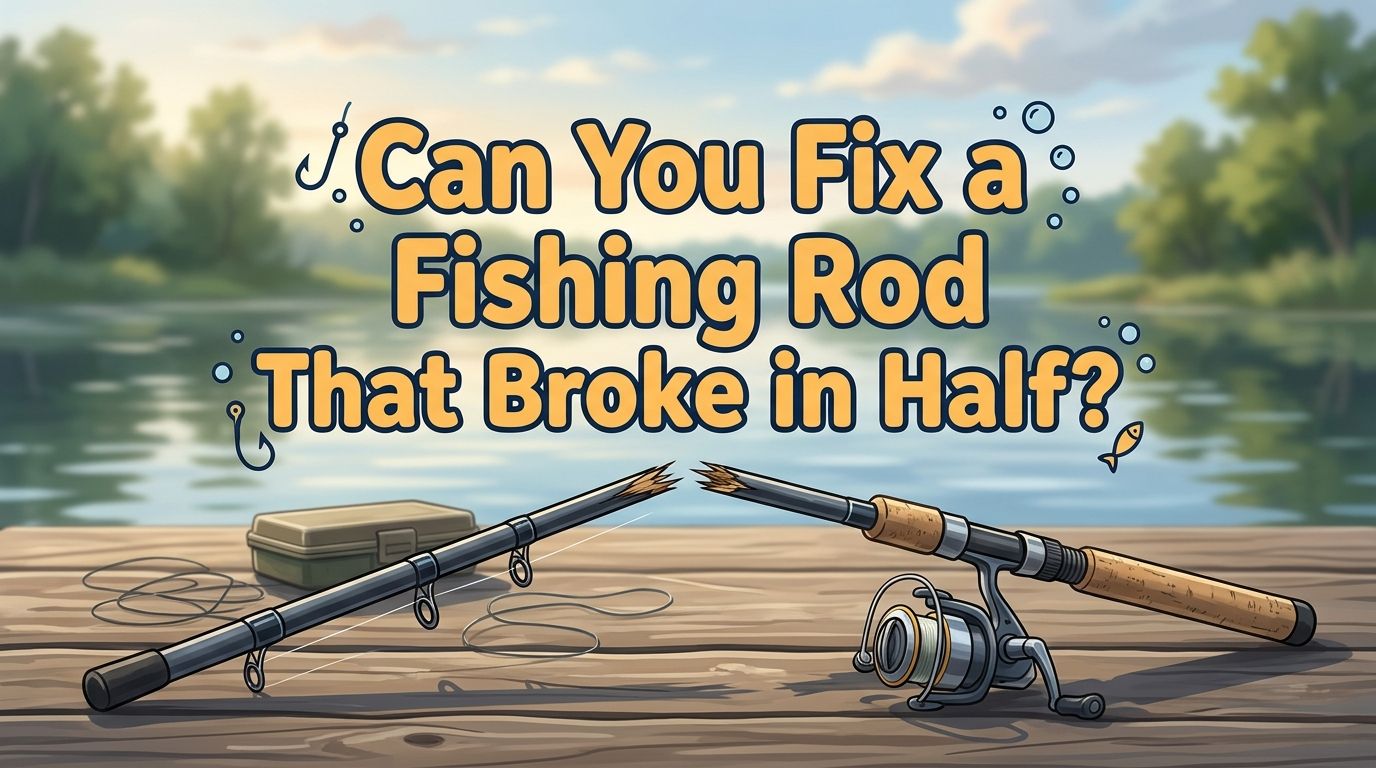
Can You Fix a Fishing Rod That Broke in Half?
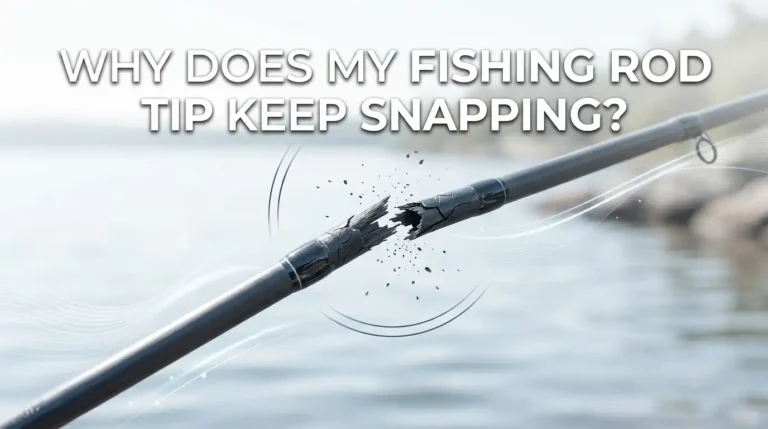
You just heard the snap. Your fishing rod broke clean in half, and your heart sank. Maybe a big fish pulled too hard. Maybe you closed the car door on it. Whatever happened, you are now staring at two pieces of what was once your favorite rod.
The good news? Yes, you can fix a fishing rod that broke in half. Most anglers assume a snapped rod means a trip to the store for a new one, but that is not always true. With the right tools, a bit of patience, and some basic supplies, you can get that rod back in working shape.
This guide walks you through every method, every material, and every step so you can make a solid repair at home. Whether your rod is fiberglass, graphite, or carbon fiber, stick around. You will learn exactly how to bring your broken rod back to life.
In a Nutshell
- The internal splint method is the most popular fix. You insert a fiberglass or graphite rod, a metal ferrule, or even a strong nail into the hollow interior of both broken pieces and glue them together with epoxy. This creates a strong internal support that holds the rod together under pressure.
- Thread wrapping adds critical strength. After you glue the internal splint in place, wrapping the joint area with strong thread and sealing it with epoxy or super glue gives the repair extra durability. This step can mean the difference between a repair that lasts one trip and one that lasts years.
- DIY repairs cost very little money. Most home repairs require $10 to $30 in materials. You likely already own sandpaper, glue, and thread. A professional repair can run anywhere from $20 to over $100, depending on the damage.
- The rod will not feel exactly the same. A repaired rod will have a slightly stiffer spot at the break point. The action and flex will change a bit. For casual fishing, this is perfectly fine. For competitive angling, you may want a replacement.
- Not every break is worth fixing. If the rod shattered into multiple pieces, if the break is near the handle, or if the blank is severely splintered, a repair may not hold. In those cases, replacing the rod is the smarter choice.
- Quick field fixes exist for emergencies. If you break your rod while out on the water, you can overlap the broken pieces by about 6 inches and wrap them tightly with electrical tape or duct tape. This will get you through the rest of your trip until you can do a proper repair at home.
Why Do Fishing Rods Break in Half
Fishing rods break for several common reasons. Accidental impacts are the number one cause. Car doors, truck beds, and storage accidents account for most broken rods. High stress from fighting a large fish can also snap a rod, especially if the rod is rated for lighter line weights.
Manufacturing defects sometimes cause weak spots in the blank. These areas may hold up during light use but fail under sudden load. Old age and wear also play a role. Graphite and fiberglass degrade over time, especially if stored in extreme heat or direct sunlight for long periods.
Poor casting technique puts extra stress on rod blanks as well. High sticking, which means lifting the rod past a 90 degree angle while fighting a fish, creates enormous pressure at the midsection. This is one of the most preventable causes of rod failure.
Assess the Damage Before You Start
Before you grab the glue, take a close look at the break. The type of break determines whether a repair is practical. A clean snap across the blank is the easiest to fix. The two pieces will fit back together neatly with an internal splint.
A jagged or splintered break is harder to work with. You will need to trim the damaged ends with scissors and sand them smooth before you can proceed. Check both pieces for hairline cracks that extend away from the main break. These hidden fractures weaken the rod and can cause a second failure.
Also consider where the break occurred. A break near the tip is the simplest to repair. A break in the midsection works well with the splint method. A break near the handle or reel seat is the most difficult and may not be worth fixing because the wall thickness changes dramatically in that area.
Tools and Materials You Will Need
Gathering the right supplies before you start saves time and frustration. You do not need expensive or specialized equipment. Most items are available at any hardware store.
You will need sandpaper in 120 to 220 grit for smoothing broken edges. A fiberglass or graphite rod, metal ferrule, or finishing nail serves as the internal splint. Two part epoxy is the strongest adhesive choice for this job, though super glue works for quick fixes. You will also need strong sewing thread or nylon wrapping thread, a razor blade or craft knife, and masking tape to hold pieces in position during assembly.
Optional but helpful items include a flexible tape measure, a small paintbrush for applying epoxy, and electrical tape for extra reinforcement. If you plan to do a professional quality wrap, consider picking up rod building thread and rod finish epoxy from a tackle supply shop.
The Internal Splint Method Step by Step
This is the most reliable way to fix a fishing rod that broke in half. It works on hollow rods made from fiberglass, graphite, or carbon fiber.
Step 1: Sand both broken ends with 180 or 220 grit sandpaper until they are smooth and flush. Remove any jagged edges or splinters. This step is critical for a strong bond.
Step 2: Measure the inside diameter of both broken ends. Find a fiberglass pole, graphite rod, or metal ferrule that fits snugly inside. The splint should be about 12 inches long so that 6 inches go into each side.
Step 3: Slide the splint into one piece of the rod until 6 inches remain exposed. If the fit is loose, wrap the splint with a thin layer of masking tape to tighten it.
Step 4: Mix your two part epoxy and apply a thin coat to the exposed half of the splint using a small brush. Work quickly because epoxy begins to set within minutes.
Step 5: Push the second rod piece onto the splint. Align the guides carefully so they all face the same direction. Press both pieces firmly together until no gap remains.
Step 6: Wipe away any excess epoxy with a damp cloth. Let the rod sit horizontal overnight to cure completely.
Pros: Strongest DIY method. Long lasting. Cost effective at under $15 in materials.
Cons: Creates a slightly stiff spot. Requires overnight drying time. Does not work on solid blank rods.
The Thread Wrap Reinforcement Technique
Adding a thread wrap over the repaired joint dramatically increases strength. Many experienced rod builders consider this step essential for any serious repair.
After the epoxy on your internal splint has fully cured, begin wrapping strong thread around the joint. Start about one inch below the break on the handle side. Keep constant tension on the thread and wind it tightly in neat, side by side rows. Do not overlap the wraps. Continue wrapping until you are one inch past the break on the other side.
To finish the wrap, lay a small loop of thread along the rod and wrap over it for the final few turns. Feed the working end through the loop and pull it underneath the wrapping to lock it in place. Trim the excess thread.
Apply a thin coat of two part epoxy or super glue over the entire wrapped area. This seals the thread, adds stiffness, and creates a smooth finish. Let it dry for at least 12 hours before using the rod.
Pros: Greatly improves repair strength. Looks professional. Adds minimal weight.
Cons: Takes practice to wrap evenly. Requires additional drying time.
The Quick Tape Fix for Emergencies
Sometimes your rod breaks while you are in the middle of a fishing trip. You need a fast fix that gets you through the day. The tape method is your best emergency option.
Overlap the two broken pieces by about 6 inches. Make sure the guides are aligned. Wrap the overlapping section tightly with electrical tape, duct tape, or even medical tape from your first aid kit. Use several layers and stretch the tape tight as you wrap.
This fix is temporary. The rod will be shorter, heavier at the joint, and the action will feel completely different. But it will function well enough to finish your trip and land a few more fish.
When you get home, remove the tape and do a proper repair using the splint method described above. Leaving tape on long term can trap moisture and cause corrosion or further damage to the blank.
Pros: Fast. Requires no special tools. Gets you back to fishing in minutes.
Cons: Very temporary. Changes rod length and action. Not suitable for heavy fish.
Using a Ferrule System for a Professional Repair
A ferrule is a metal or graphite sleeve that joins two rod sections. This method essentially converts your one piece rod into a two piece rod. It is the most professional looking repair and provides a clean, strong connection.
You can buy ferrule kits from rod building supply shops. Choose a ferrule that matches the inside diameter of your rod at the break point. Sand the inside of both broken ends lightly for better adhesion. Apply epoxy inside each rod section and insert the ferrule halves.
The male ferrule goes into the lower section. The female ferrule goes into the upper section. Once the epoxy cures, the two halves slip together just like a factory two piece rod. You can even take the rod apart for transport.
Thread wrap both ferrule ends for extra security and a clean appearance. Finish with a coat of rod building epoxy.
Pros: Cleanest repair. Allows rod to be taken apart. Very strong.
Cons: Most expensive DIY method ($15 to $40). Requires precise sizing. Slightly changes rod action.
Fixing a Broken Rod Tip
If the break happened near the tip of the rod, the repair is much simpler. You may not need an internal splint at all. A new tip top guide is often all you need.
Remove the old tip top from the broken piece by heating it with a lighter for 4 to 5 seconds and pulling it off with pliers. Sand the new end of the rod smooth with fine sandpaper.
Cut small strips of rod cement and place them inside the hollow end of the new tip top guide. Heat the cement with a lighter until it melts. Quickly slide the new tip top onto the rod and align it with the other guides. Hold it in place for 30 seconds while the cement sets.
Your rod will be slightly shorter after this repair. For a break within a few inches of the original tip, the performance difference is barely noticeable. The entire repair costs under $10 and takes less than 15 minutes.
Pros: Fastest repair method. Very cheap. Minimal impact on rod performance.
Cons: Only works for tip breaks. Shortens the rod slightly.
Fiberglass vs. Graphite Rod Repairs
The material of your rod affects how you approach the repair. Fiberglass rods are generally easier to fix because they are more flexible and forgiving. They tolerate slightly imperfect splint fits and are less likely to crack during the repair process.
Graphite and carbon fiber rods are stiffer and more brittle. They require careful sanding and precise splint fitting. Excess force during reassembly can cause new cracks. Use slow setting epoxy with graphite rods to give yourself more working time.
Fiberglass rods also handle the added stiffness of a repair joint better because their overall action is softer. A graphite rod with a mid section repair will feel noticeably different to an experienced angler. The stiff spot interrupts the smooth flex pattern that graphite rods are known for.
For both materials, the thread wrap step is especially important. It distributes stress evenly across the repair zone and prevents point loading that could cause a second break.
Should You Repair or Replace Your Fishing Rod
This is the practical question every angler must answer. A DIY repair costs between $10 and $30 in materials. A professional repair costs between $20 and $100 or more. A brand new budget rod costs $30 to $80. A premium rod can cost $200 to $500 or more.
If your rod has sentimental value, a family heirloom story, or a discontinued model you love, repair is the clear winner. The investment in time and materials is small compared to losing something irreplaceable.
For budget rods under $50, replacement often makes more sense. The repair cost may approach or exceed the cost of a new rod. Plus a new rod will have factory action, full warranty coverage, and no weak points.
Consider the break location and severity too. A clean mid section break on a $200 rod is absolutely worth fixing. A shattered butt section on a $40 rod is probably not. Be honest about your skills as well. If you have never done a repair like this, start with a rod you can afford to lose while you learn the technique.
Common Mistakes to Avoid During Repair
Several errors can ruin an otherwise good repair job. Rushing the epoxy cure is the most common mistake. Two part epoxy needs a full 24 hours to reach maximum strength. Using the rod too early risks a weak bond that fails under load.
Skipping the sanding step is another frequent problem. Smooth, unsanded surfaces do not bond well with epoxy. Take the extra two minutes to roughen both the rod interior and the splint surface.
Using the wrong splint size causes problems too. A splint that is too thin wobbles inside the rod and creates a weak connection. A splint that is too thick can split the rod blank when you insert it. The splint should fit snugly with light hand pressure.
Forgetting to align the guides during assembly means your line will twist and tangle. Always check guide alignment before the epoxy sets. You have a few minutes of working time to rotate and adjust the pieces.
Finally, using super glue alone without epoxy for the main bond is a mistake many beginners make. Super glue is brittle and does not handle flex well. Use two part epoxy for the primary bond and save super glue for sealing thread wraps.
Tips to Prevent Your Fishing Rod from Breaking
Prevention saves you the hassle of repair. Store your rods in hard cases or rod tubes during transport. Never lean a rod against a vehicle or lay it across a truck bed where it can roll.
Use the correct line weight and lure weight for your rod. Every rod has a rating printed on the blank. Going over that rating puts dangerous stress on the rod. Avoid high sticking by keeping your rod below a 90 degree angle when fighting fish.
Inspect your rod before each season. Look for nicks, scratches, and small cracks in the blank. These weak spots grow over time and eventually lead to failure. Clean your rod with fresh water after saltwater use to prevent corrosion on guides and reel seats.
Store rods vertically in a cool, dry place away from direct sunlight. UV exposure degrades both fiberglass and graphite over time. Heat softens the epoxy that holds guides in place. A simple rod rack on a garage wall gives your rods the protection they need.
When to Seek Professional Rod Repair
Some repairs are beyond DIY skill level. If the rod broke at or near a guide, the repair requires removing and reinstalling the guide. This takes specialized thread wrapping skills and rod building epoxy. A professional can do this quickly and make it look factory original.
High end rods from brands like G. Loomis, St. Croix, or Sage often come with repair warranties. Contact the manufacturer before you attempt a DIY fix. Many will repair or replace a broken section for a flat fee between $30 and $125. A factory repair preserves the original action and warranty.
If the rod blank is severely splintered or the break involves the reel seat or handle, professional help is the safest route. These complex repairs require lathe work, specialized adhesives, and precise fitting that most home workshops cannot provide.
Local tackle shops often offer rod repair services or can refer you to someone who does. The cost is usually reasonable, and the result will be a rod that feels and performs close to its original condition.
Frequently Asked Questions
Can a fishing rod broken in half be as strong as it was before?
No. A repaired rod will have a slightly stiffer section at the repair point. The internal splint and thread wrap create a strong fix, but the original flex pattern of the blank cannot be fully restored. For casual fishing, the difference is minor. For precision casting or competition use, you will notice a change in the rod’s action and sensitivity.
What is the best glue to fix a broken fishing rod?
Two part epoxy is the best choice for a lasting repair. It bonds strongly to fiberglass, graphite, and carbon fiber. It also handles the flexing motion of a fishing rod without cracking. Avoid using only super glue for the main structural bond because it is too brittle. Super glue works well as a sealant over thread wraps but not as the primary adhesive.
How much does it cost to repair a fishing rod that broke in half?
A DIY repair typically costs between $10 and $30 for materials including epoxy, sandpaper, a splint, and thread. A professional rod repair shop usually charges between $20 and $100 depending on the severity of the break. Manufacturer warranty repairs range from $30 to $125 for a replacement section.
Can you fix a solid blank fishing rod that broke in half?
Solid blank rods are harder to repair because you cannot insert an internal splint. The best option for a solid blank is an external sleeve or ferrule that fits over both broken ends. You can also try overlapping the pieces and using a combination of epoxy and tight thread wrapping. Results vary, and the repair is generally less strong than on a hollow rod.
Is it worth fixing a cheap fishing rod?
It depends on your situation. If the rod costs less than $40 and the repair materials cost $15 to $30, buying a new rod may be the better financial choice. However, if you enjoy DIY projects or want to practice rod repair skills, a cheap rod is a great rod to learn on. You will gain experience that can save a more expensive rod in the future.
How long does a fishing rod repair take to complete?
The actual hands on work takes about 30 to 60 minutes. However, the epoxy needs 12 to 24 hours to cure fully. If you add a thread wrap with an epoxy finish coat, add another 12 hours of drying time. Plan on having the rod out of service for about two days from start to finish.

Hi, I’m Ivy Webb, the passionate angler and creator behind BaitHookVault.com. I spend my days out on the water personally testing and reviewing a wide variety of fishing tools and gear.