Shimano Curado DC 150A Review 2026: Worth It?
Backlash ruins fishing trips. You tie on a new crankbait, rear back for a long cast, and the spool overruns. Ten minutes later you are still picking knots out of your braid.
The Shimano Curado DC 150A promises to end that frustration with a tiny computer that watches your spool 1,000 times every second.
That sounds like marketing talk. So I spent weeks fishing this reel in wind, in calm water, with light lures and heavy jigs. This review covers what the Curado DC 150A does brilliantly, what it does poorly, and whether the price tag makes sense for you in 2026.
In a Nutshell:
- The IDC4 braking system genuinely works. The onboard microcomputer adjusts brake force mid cast. Backlashes drop dramatically, even when you cast into a headwind. New anglers benefit the most, but veterans gain casting confidence too.
- Price sits at $314.99 MSRP. That is a real jump from the previous generation. You pay a premium for the digital brake, the MGL Spool III, and the HAGANE metal body.
- Weight is 7.8 to 7.9 ounces depending on model. That is heavier than many modern baitcasters. The extra mass comes from the electronics and the metal frame.
- Three gear ratios exist: MG at 6.2:1, HG at 7.4:1, and XG at 8.5:1. Right and left hand versions are available across all three.
- The reel makes a distinct whirring sound during casts. Some anglers love it. Others find it strange at first.
- It is not perfect for finesse work. Very light lures under one quarter ounce still challenge this reel despite the lighter spool.
What Is the Shimano Curado DC 150A?

Last update on 2026-10-25 / Affiliate links / Images from Amazon Product Advertising API
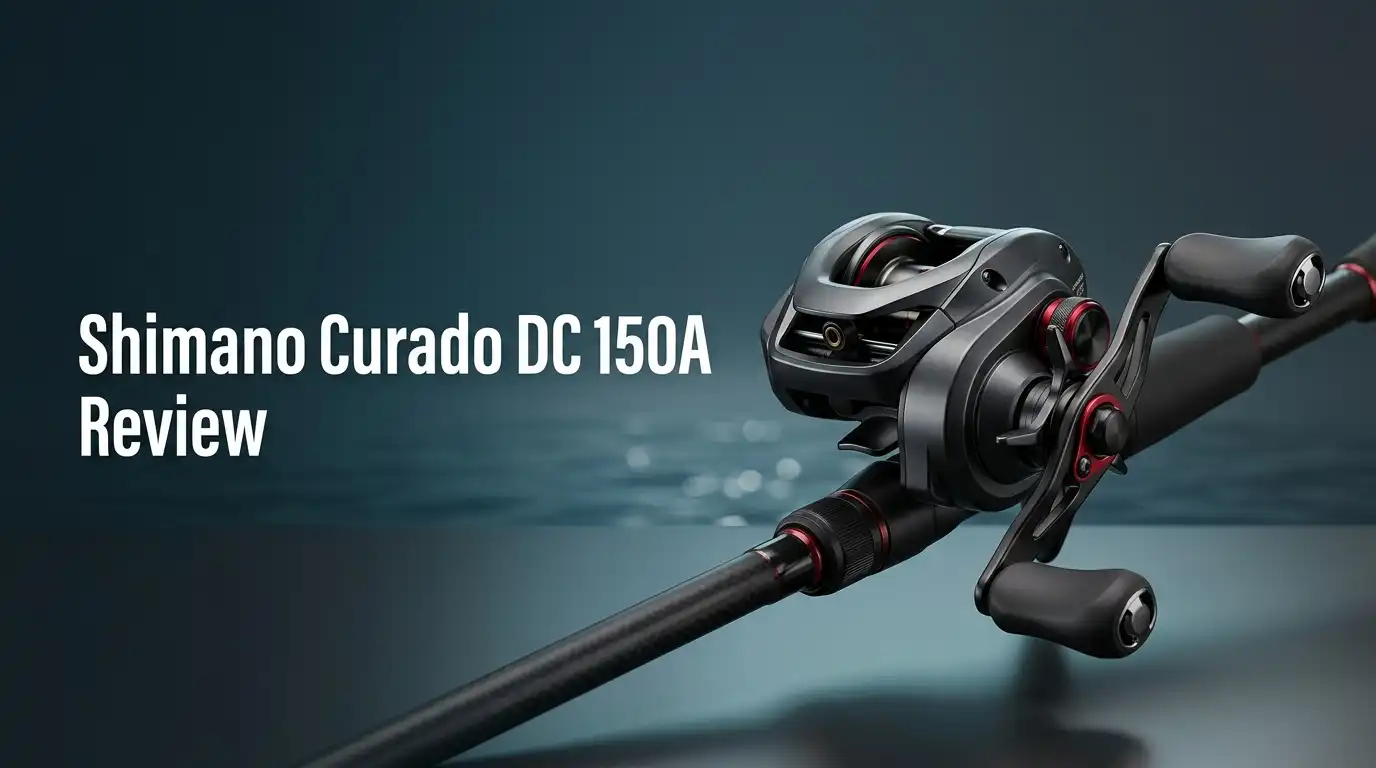
The Curado DC 150A is a low profile baitcasting reel built around Shimano’s Digital Control braking technology. A small microcomputer lives inside the side plate. It reads spool rotation speed and applies brake force automatically during every cast.
Shimano built this reel on the HAGANE body platform. That means a rigid metal frame that resists flexing when you fight a heavy fish. The 150 size fits most bass fishing needs without feeling bulky in your palm.
This updated A version arrived with improved IDC4 firmware and the new MGL Spool III. Shimano positions it as the versatile workhorse in the Curado family. It handles crankbaits, jigs, Texas rigs, topwater, and swimbaits without complaint.
Unboxing the Curado DC 150A
The box is simple. Shimano uses a dark cardboard sleeve with product photos on the front. Inside you find the reel sitting in a molded tray, a small cloth reel bag, a schematic sheet, and a bottle of Shimano oil.
The first thing you notice is the finish. The metallic grey body catches light nicely. Nothing feels cheap. The star drag clicks firmly. The handle knobs are large and comfortable right out of the box.
Pick it up and you immediately feel the weight. This reel has heft. It is not heavy in a bad way, but it feels dense compared to plastic framed reels at half the price. Spin the handle and the MicroModule gearing feels buttery smooth with almost no gear noise.
Full Specifications Breakdown
Here is what Shimano lists for the Curado DC 150A. Gear ratios come in three flavors: MG at 6.2:1, HG at 7.4:1, and XG at 8.5:1. Bearing count is six stainless ball bearings plus one roller bearing.
Line capacity sits at 10 pound test for 120 yards, 12 pound for 110 yards, and 14 pound for 90 yards in monofilament. With PowerPro braid you get 20 pound for 150 yards, 30 pound for 135 yards, and 40 pound for 105 yards.
Weight runs 7.8 ounces for the MG and HG models and 7.9 ounces for the XG. Maximum drag is rated at 11 pounds through the Cross Carbon Drag system. Shimano includes a one year warranty on manufacturing defects.
Top 3 Alternative for Shimano Curado DC 150A

Last update on 2026-10-25 / Affiliate links / Images from Amazon Product Advertising API
Shimano SLX DC Baitcast Reel

Last update on 2026-10-25 / Affiliate links / Images from Amazon Product Advertising API
Shimano Curado MGL 150 Baitcast Reel

Last update on 2026-10-25 / Affiliate links / Images from Amazon Product Advertising API
Shimano Curado 200K HG Baitcast Reel
How the IDC4 Braking System Actually Works
The digital brake is the whole reason this reel exists. An external dial on the side plate offers four settings. Mode 1 gives maximum casting distance. Mode 2 suits braid and monofilament. Mode 3 handles fluorocarbon. Mode 4 applies heavy braking for skipping docks or fighting wind.
The microcomputer samples spool speed one thousand times per second. When it detects the spool spinning faster than the line is leaving, it applies brake force instantly. When the lure slows, braking eases off so the cast carries farther.
You still need to set the spool tension knob correctly. The computer handles the rest. No external magnetic dials to fiddle with between lure changes. Switch from a half ounce jig to a topwater walker and the system adapts on its own.
Casting Distance and Real World Performance
Distance is genuinely impressive with moderate weight lures. A half ounce crankbait on Mode 1 flies. I consistently gained noticeable yardage over a standard magnetic brake reel using the same rod and line.
Wind is where this reel shines brightest. Casting into a stiff headwind normally guarantees a bird nest. On Mode 4, the Curado DC 150A let me punch casts into the wind with almost no overruns.
Accuracy stays solid at close range too. Pitching under docks works well on the higher brake modes. The reel does make a noticeable whirring sound during the cast. That sound comes from the digital brake engaging. It fades into background noise after a few hours on the water.
MGL Spool III and Light Lure Handling
Shimano upgraded this version with the MGL Spool III. The spool wall is thinner, which cuts rotational inertia. Lower inertia means the spool starts spinning faster with less energy.
In practice, this helps most with lures in the quarter ounce to three eighths ounce range. Those baits now cast respectably when they used to flutter and die halfway out.
But here is the honest truth. Lures under one quarter ounce remain a struggle. A small wacky rigged worm or a tiny finesse jig will not cast well on this reel. The digital brake cannot fix physics. If finesse presentations dominate your fishing, a dedicated finesse baitcaster or a spinning setup serves you better.
Build Quality and the HAGANE Body
The HAGANE body is a one piece rigid metal frame. Shimano designed it so the frame does not flex when gears load up under pressure. Less flex means gear teeth stay aligned, which protects the internals over years of use.
Squeeze the reel hard in your hand. Nothing gives. The side plates sit flush with no gaps. The clutch bar engages with a confident snap every time.
This build quality is the main reason Curado reels last decades. Anglers regularly report fishing the same Curado for ten or fifteen years. The X Ship system supports the pinion gear on both ends with bearings, keeping alignment tight under heavy load. Combined with MicroModule gears, the retrieve stays smooth season after season.
Drag System and Fighting Big Fish
The Cross Carbon Drag delivers smooth, consistent pressure. Carbon washers resist heat better than traditional felt, so the drag does not grab and release during long runs.
The star drag adjusts in small, precise clicks. You can dial in exactly the pressure you want without overshooting.
Maximum drag is 11 pounds, and that is a genuine limitation. For largemouth bass in open water, 11 pounds is plenty. For flipping heavy cover, punching mats, or chasing big catfish and stripers, you will want more. Competing reels at this price offer 20 pounds or more. If you fish heavy braid in thick vegetation, the drag may feel underpowered when you need to winch a fish out fast.
Gear Ratio Options Explained
Picking the right gear ratio matters more than most people realize. The MG at 6.2:1 is your slow retrieve option. Use it for deep diving crankbaits, big spinnerbaits, and anything that needs steady pressure.
The HG at 7.4:1 is the do everything choice. Most anglers should start here. It handles jigs, Texas rigs, topwater, and moderate crankbaits comfortably.
The XG at 8.5:1 is the burner. Pick this for frogging, flipping, and any situation where you need to pick up slack line fast. Left hand and right hand versions exist for all three ratios, so no one gets left out.
Comfort During Long Fishing Days
The 150 size palms comfortably. The low profile design sits close to the rod blank, which reduces wrist fatigue during repetitive casting.
The handle knobs deserve special mention. They are large and rounded, giving you leverage when cranking a deep diver or fighting a fish. Small knobs cause finger cramps. These do not.
Weight is the compromise. At 7.8 ounces, this reel is heavier than many competitors that come in near 6 ounces. After eight hours of casting, your arm notices the difference. Pairing the reel with a lightweight rod helps balance the setup. If you fish all day every weekend, test the weight in hand before buying.
Pros of the Shimano Curado DC 150A
- Backlash reduction is real and dramatic. The IDC4 system prevents the vast majority of overruns, even in difficult wind conditions.
- Casting distance improves noticeably with moderate weight lures compared to standard magnetic brake reels.
- Build quality is excellent. The HAGANE metal body resists flex and should last many years with basic care.
- Four brake modes cover nearly every situation, from maximum distance to dock skipping, with one dial turn.
- The retrieve feels remarkably smooth thanks to MicroModule gearing and the X Ship support system.
- Three gear ratios in both hand orientations mean you can match the reel to your exact fishing style.
Cons of the Shimano Curado DC 150A
- The price is steep at $314.99 MSRP. Many capable baitcasters cost half this amount.
- Weight of 7.8 ounces feels heavy next to lighter competitors, and long days magnify that difference.
- Maximum drag of 11 pounds limits heavy cover fishing and larger species work.
- Light lures under one quarter ounce still cast poorly. The digital brake cannot overcome low lure mass.
- The whirring sound during casts bothers some anglers, especially those used to silent reels.
- Electronics add a failure point. The system is sealed and reliable, but repairs cost more than a mechanical brake.
What This Reel Does Not Do Well
Let me be blunt about the gaps. This is not a finesse reel. Shimano markets versatility, but drop below a quarter ounce and the casting advantage evaporates.
It is also not a saltwater reel. The shielded bearings help, but the frame and internals are built for freshwater duty. Saltwater exposure demands aggressive rinsing and frequent maintenance.
Heavy cover anglers should look elsewhere too. Punching through thick mats with 65 pound braid needs more than 11 pounds of drag pressure.
Finally, the reel does not eliminate skill requirements. You still need proper spool tension and decent casting mechanics. The computer reduces mistakes. It does not erase them entirely.
Curado DC 150A vs SLX DC
Both reels use Shimano’s digital braking system. Casting performance between them is remarkably similar because they share the same brake technology and firmware generation.
The differences live in the materials. The Curado DC uses a full metal HAGANE body, better bearings, and MicroModule gearing. The SLX DC uses more composite material and simpler internals.
The SLX DC costs roughly half as much. If your budget is tight and you only want the backlash protection, the SLX DC delivers nearly identical casting at a much lower price. If you want long term durability, smoother retrieve feel, and a reel that survives a decade of hard use, the Curado DC 150A justifies the gap.
Who Should Buy This Reel?
Beginners transitioning from spinning gear get the most value here. The digital brake removes the steepest part of the baitcasting learning curve.
Tournament anglers benefit too. Fewer backlashes means more casts per hour, and more casts means more fish.
Anglers who fish windy lakes will appreciate Mode 4 immediately. Reservoirs with constant afternoon wind turn normal reels into knot machines.
Skip this reel if you mainly throw finesse baits, if you need heavy drag for thick cover, or if you count every ounce of setup weight. Also skip it if $315 strains your budget. The SLX DC gives you the same casting benefit for far less money.
Maintenance and Care Tips
Basic care keeps this reel running for years. Rinse the exterior with fresh water after every trip, then dry it with a soft cloth before storage.
Apply a drop of Shimano oil to the spool bearings every few months. Grease the drive gear once or twice per season depending on use.
Do not submerge the reel or spray it with high pressure water. The digital control unit is sealed, but forcing water past the seals causes problems.
Loosen the drag before storing the reel. This prevents the carbon washers from compressing permanently. Send the reel to a Shimano service center for deep cleaning every two or three seasons if you fish heavily.
Final Verdict
The Shimano Curado DC 150A is an excellent reel with clear limitations. The digital braking system delivers exactly what Shimano promises. Backlashes become rare. Casting into wind stops being a nightmare. Distance improves with normal bass lures.
The build quality supports years of hard fishing. The HAGANE body, MicroModule gears, and quality bearings justify the Curado reputation.
But the 11 pound drag limit, the 7.8 ounce weight, and the $314.99 price keep this from being a universal recommendation. Buy it if backlash control matters most to you and your budget allows. Choose the SLX DC if you want the same casting magic for less. Choose a different reel entirely if finesse fishing or heavy cover defines your season.
Frequently Asked Questions
Does the Curado DC 150A need batteries?
No. The digital control unit generates its own power from spool rotation during the cast. You never replace or charge anything.
Can I use the Curado DC 150A in saltwater?
Shimano builds this reel for freshwater. The shielded bearings resist some corrosion, but regular saltwater use shortens the reel’s life significantly.
What gear ratio should a beginner choose?
The HG at 7.4:1 suits most situations. It retrieves fast enough for jigs and topwater while staying slow enough for crankbaits.
Why does the reel make a whirring noise?
That sound comes from the digital brake system engaging during the cast. It is completely normal and indicates the brake is working.
Is the Curado DC 150A worth the upgrade from the older Curado DC?
The MGL Spool III and updated IDC4 firmware improve light lure casting and brake precision. If your older model works fine, the upgrade is optional rather than necessary.
What line works best on this reel?
Monofilament in 12 pound test or braid in 30 pound test both perform excellently. Fluorocarbon works well on brake Mode 3.

Hi, I’m Ivy Webb, the passionate angler and creator behind BaitHookVault.com. I spend my days out on the water personally testing and reviewing a wide variety of fishing tools and gear.