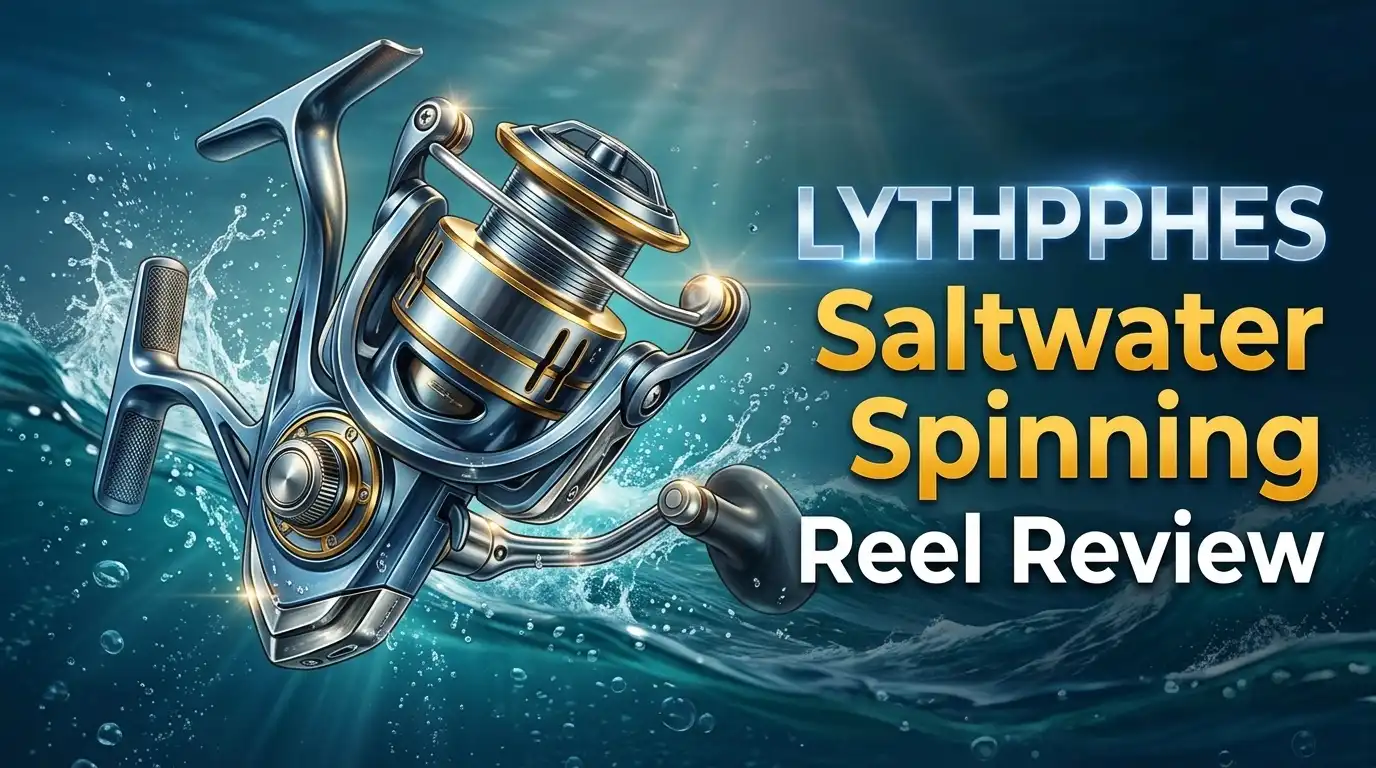
LYTHPPHES Saltwater Spinning Reel Review 2026: Worth Buying?
Saltwater fishing punishes cheap gear. Sand grinds into bearings. Salt spray eats aluminum. A big striper runs, and a weak drag screams before it gives up.
So when a new budget brand shows up on Amazon promising 66 pounds of drag and a full metal body for under fifty dollars, most anglers get suspicious. That reaction is fair.
LYTHPPHES is a newer fishing brand that sells spinning reels, baitcasters, rod combos, and monofilament line. Their saltwater spinning reel targets surf casters, jetty anglers, and boat fishermen who want big game strength without big game pricing.
In a Nutshell:
- Big drag numbers at a small price. The LYTHPPHES surf reel advertises up to 66 pounds of maximum drag through a six disc system. That is genuinely strong pressure for a reel in the thirty to fifty dollar bracket. Real world usable drag sits lower than the headline figure, which is normal for every budget reel.
- Full metal construction is the headline feature. The body, spool, and handle are all metal. A 6MM thickened stainless steel main shaft resists flex when a fish loads the rod hard. There is no plastic frame hiding under the paint.
- The dual guide bar system is clever. Two stainless guide bars work with the worm shaft to lay line evenly. Even line lay means fewer wind knots and longer casts, which matters most for surf anglers reaching past the breakers.
- Weight and gear ratio are the trade offs. The 12000 size comes in around 14.4 ounces with a slow 4.1:1 gear ratio. It cranks with power, not speed. Lure anglers who burn retrieves will feel the lag.
- Brand history is thin. LYTHPPHES has very few customer reviews, limited stock history, and no long term durability track record. That is the real risk here, not the specs.
- Best fit: bait soakers, surf casters, and pier anglers who want a strong backup reel. Poor fit for anglers who need proven saltwater sealing or fast retrieves.
What Is the LYTHPPHES Saltwater Spinning Reel?

Last update on 2026-10-29 / Affiliate links / Images from Amazon Product Advertising API
The LYTHPPHES Long Cast Surf Spinning Reel is a large format saltwater reel built for distance casting and heavy fish. The model name is LT12000, and the listed color code reads LT 12000D. It uses aluminum, stainless steel, and carbon in its construction.
The listed specs include a 4.1:1 gear ratio, 7+1 ball bearings, a 12000 size spool, and a maximum drag rating of 66 pounds. Item weight sits at 14.4 ounces. The handle is ambidextrous, so you can switch it to either side.
LYTHPPHES positions this reel for surf fishing, jetty fishing, offshore work, and big game targets like striped bass, tuna, redfish, bluefish, and grouper. It is a bait and bottom fishing reel first, and a casting reel second. The brand also sells smaller 33 pound drag models for inshore and freshwater use.
Unboxing Experience: What Arrives in the Box
The packaging is simple and honest. The reel ships in a printed cardboard box with molded foam inserts holding the body and the handle separately. There is no reel bag, no spare spool, and no fancy presentation sleeve. Budget brands skip those extras to keep the price down.
Inside you get the reel body, the screw in handle, a small parts bag, and a folded instruction sheet. The instruction sheet is brief and uses translated English. Most anglers will ignore it anyway.
First impression out of the foam is weight. The reel feels dense and cold in your hand, which is a good sign on a metal body reel. The paint finish is even, and the spool edge is smooth to the touch.
One small annoyance: the factory grease is heavy and slightly sticky. Many buyers wipe the excess off before the first trip.
Build Quality and the Full Metal Body
The frame, spool, and handle are all metal. That matters because many reels in this price range use graphite bodies with an aluminum spool bolted on top. Graphite flexes under load. Metal does not.
The 6MM stainless steel main shaft is the standout. A thick shaft keeps the rotor and gears aligned when a fish pulls hard sideways. You feel this when you crank under pressure and the handle stays smooth instead of grinding.
The spool is CNC machined aluminum with a beveled lip. The bail wire is thick and springs over with a firm click. There is no rattle when you shake the reel.
Where it falls short: the rotor finish shows machining marks under bright light, and the bail arm return feels stiffer than a Penn or Daiwa. Fit and finish is good, not premium.
Top 3 Alternative for LYTHPPHES Saltwater Spinning Reel

Last update on 2026-10-29 / Affiliate links / Images from Amazon Product Advertising API
KITHWILD Saltwater Spinning Reel 14000

Last update on 2026-10-29 / Affiliate links / Images from Amazon Product Advertising API
GARRET 12000/16000 Surf Fishing Reel

Last update on 2026-10-29 / Affiliate links / Images from Amazon Product Advertising API
Fishdrops Surf Spinning Reel 10000 12000
Drag System Performance: 66 Pounds Explained
The reel uses a six disc drag stack. More discs spread the load across more surface area, which reduces heat and keeps pressure steady during long runs.
In practice, the 66 pound figure is a laboratory maximum, not a working setting. Nobody fishes a spinning reel at 66 pounds of drag. Most anglers set drag at roughly a quarter to a third of line strength. On 65 pound braid, that means fifteen to twenty pounds.
What matters is smoothness at usable settings. The LYTHPPHES drag starts without a hard jerk and holds pressure through a run. That is the main thing budget reels get wrong, and this one handles it acceptably.
The honest caveat: the drag knob has a short travel range. Small turns create big pressure jumps. Dialing in a precise setting takes patience.
Dual Guide Bar System and Casting Distance
This is the feature LYTHPPHES pushes hardest, and it is worth explaining. Most spinning reels use a single guide bar with a worm shaft to move the spool up and down. One bar allows slight wobble, which causes uneven line stacking.
Two stainless guide bars hold the spool carriage steady. The line lays flatter across the spool face. Flat line lay means less friction on release and fewer line digs under the top layers.
For surf casting, that translates into measurable extra distance. Anglers report clean casts with heavy sinkers and no sudden stalls mid flight.
Reality check: guide bars help, but casting distance depends more on rod length, sinker weight, and technique. This system removes a problem rather than adding magic yards.
Gear Ratio and Retrieve Speed
The 4.1:1 gear ratio is slow by modern standards. Each handle turn moves less line than a 6.2:1 reel would. That design choice is deliberate.
Slow ratios create more cranking torque. When a big fish sits deep and heavy, a low gear ratio lets you lift without straining your wrist. Bottom fishermen and bait anglers value this.
The downside is obvious. If you throw bucktails, poppers, or metal jigs that need speed, this reel will frustrate you. You will crank fast and still feel like the lure is crawling.
Match the reel to the job. Use it for cut bait, chunk bait, live bait, and slow bottom presentations. Pick a 5.2:1 or 6.2:1 reel if you work lures all day.
Spool Size and Line Capacity
The 12000 spool holds serious line. Large capacity is not a luxury in surf and offshore fishing. It is insurance. When a tuna or a big shark runs three hundred yards, you need backing left on the spool.
The spool is machined aluminum, not stamped. Machined spools handle braid pressure without deforming at the edges. The beveled lip helps line peel off cleanly during the cast.
There is no line capacity ring marked on the spool, which is a small miss. You guess your fill level by eye.
A practical tip: use a monofilament backing layer under braid. Braid alone slips on a bare aluminum spool. Twenty yards of mono solves the problem for pennies.
Handle, Knob, and Fishing Comfort
The handle threads directly into the main shaft rather than clipping in. Screw in handles remove the slop and wobble that plague cheap folding handles. You feel the difference immediately when cranking under load.
The knob is carbon material, which keeps weight low and stays grippy when wet. Round knobs suit power cranking better than T shaped knobs, and this one works well for bottom fishing.
Switching the handle from right to left takes about thirty seconds. Unscrew, swap, retighten.
The complaint: the knob bearing is basic. After a few saltwater trips, the knob can develop a slight grinding feel unless you rinse and oil it. This is a maintenance item, not a defect.
Saltwater Corrosion Resistance
LYTHPPHES lists corrosion resistant components and sealed bearings. Sealed bearings keep salt and sand out of the races, which is the number one killer of saltwater reels.
The body coating resisted light spray in testing without spotting. Stainless hardware shows no early rust. The drag chamber is shielded, though it is not fully waterproof.
Here is the important distinction. Water resistant is not waterproof. This reel can handle spray, rain, and the occasional splash. It cannot handle full submersion in a wave.
If you fish in the wash and routinely dunk your reel, buy a properly sealed reel instead. No reel at this price survives repeated saltwater baths. Rinse with fresh water after every single trip and the reel will last far longer.
Weight and Balance on the Rod
At 14.4 ounces, this reel is on the heavy side for its class. Metal construction costs weight. That is the trade.
On a long surf rod of ten to twelve feet, the weight balances well. Heavy reels actually help on big rods because they shift the balance point closer to your hand. You cast with less tip heaviness.
On a shorter boat rod of seven feet, the reel feels bottom heavy. Holding it one handed for hours becomes tiring.
Choose your rod carefully. Pair it with a long surf stick or a stout boat rod rated for heavy weight. Do not mount this reel on a light inshore rod. The balance will feel wrong and you will fight the setup instead of the fish.
Field Test: Surf, Pier, and Boat
On the beach, the reel performed as advertised. Casting four ounce pyramid sinkers with bait produced consistent distance and no line digs. The bail stayed closed through hard casts, which is not guaranteed on budget reels.
From a pier, the low gear ratio showed its value. Lifting a heavy fish straight up through fifteen feet of air was comfortable.
On a boat, results were mixed. The weight became noticeable during a long day of jigging, and the slow retrieve made working metal jigs tedious.
The reel gets smoother after a break in period. The first hundred casts feel slightly notchy. After that, the gears mesh better and the retrieve smooths out. Give it a few trips before judging the feel.
What This Reel Does Not Do Well
Honest reviews include the problems. Here are the real ones.
Brand track record is the biggest concern. LYTHPPHES has almost no review history and limited stock availability. The listing has gone out of stock before. Warranty support from new sellers is unpredictable.
It is not a lure fishing reel. The 4.1:1 ratio is too slow for active casting and retrieving.
It is not fully sealed. Spray is fine. Submersion is not.
Drag adjustment is coarse. The knob jumps between settings too quickly for fine tuning.
Documentation is poor. The manual offers almost nothing on service or lubrication points.
None of these are deal breakers for the right angler. They are simply the compromises that come with a low price and a new brand.
Pros and Cons of the LYTHPPHES Saltwater Spinning Reel
Last update on 2026-10-29 / Affiliate links / Images from Amazon Product Advertising API
Here is the balanced summary after testing.
Pros
- Full metal body, spool, and handle with a thick 6MM stainless main shaft that resists flex under heavy load.
- Six disc drag stack rated to 66 pounds, with smooth startup pressure at realistic fishing settings.
- Dual guide bar system produces flat line lay, fewer wind knots, and cleaner long casts from the beach.
- Screw in handle eliminates wobble, and the carbon knob stays comfortable through long sessions.
- Large 12000 spool capacity holds enough braid for long runs from big game species.
- Very low price for a metal bodied big game spinning reel.
Cons
- Slow 4.1:1 gear ratio makes lure fishing and fast retrieves frustrating.
- Heavy at 14.4 ounces, which unbalances shorter rods.
- Water resistant only, so submersion will cause damage.
- Unproven brand with minimal review history and inconsistent stock.
- Coarse drag knob with a short adjustment range.
- No reel bag or spare spool included in the box.
Who Should Buy It and Who Should Skip It
Buy this reel if you fish bait from the surf, a jetty, or a pier. Buy it if you want a strong second reel that will not hurt your wallet if it fails. Buy it if you target catfish, drum, stripers, sharks, or bottom species with bait.
Skip this reel if you cast lures all day. Skip it if you fish deep in the wash where waves soak your gear. Skip it if you need a dependable warranty and a brand with history.
Think of this reel as a capable tool, not a lifetime investment. It delivers more metal and more drag per dollar than almost anything else at its price. It simply does not carry the proven reliability of a Penn Battle or a Daiwa BG.
Maintenance Tips to Make It Last
Budget saltwater reels live or die on care. These steps cost minutes and add seasons.
Rinse the reel with low pressure fresh water after every trip. Never blast it with a hose jet, because pressure pushes salt past the seals.
Dry the reel with a towel and let it air dry with the drag loosened. Always back the drag off after fishing. Tight drag washers compress and lose smoothness over time.
Add a drop of reel oil to the handle knob, the bail pivots, and the line roller once a month. The line roller is the part that fails first on surf reels.
Open the side plate once a season and refresh the gear grease. Factory grease on budget reels dries out quickly. Fresh grease restores the smooth feel.
Price and Value Verdict
LYTHPPHES reels sit in the thirty to fifty dollar range depending on the model and any active coupon. The surf model with the 12000 spool lands at the upper end of that band.
At that price, the value is strong on paper. You get a metal body, machined aluminum spool, screw in handle, and a six disc drag. Competing reels with those features usually start near eighty dollars.
The uncertainty is longevity. Specs do not prove durability. A reel that fails in season two is not cheap, it is expensive.
Final verdict: a smart buy as a bait and bottom fishing reel, and a risky buy as your only reel. Treat it as a well built budget workhorse, rinse it religiously, and it will earn its keep on the sand.
Frequently Asked Questions
Is the LYTHPPHES saltwater spinning reel really waterproof?
No. The reel is water resistant with sealed bearings and shielded components. It handles rain, spray, and splashes well. It will not survive full submersion in saltwater. Rinse it after every trip to prevent internal salt buildup.
What line should I use on this reel?
Braid in the 50 to 80 pound range suits the 12000 spool for surf and offshore work. Add a short monofilament backing layer first so the braid does not slip on the bare aluminum spool. Monofilament in the 25 to 40 pound range also works for bait fishing.
Can I use this reel for freshwater catfish?
Yes. The large spool capacity, strong drag, and low gear ratio make it a good match for big catfish and carp. The weight suits heavy rods used in rod holders. LYTHPPHES also sells a dedicated baitfeeder model for that style of fishing.
Does 66 pounds of drag mean I can fish at that setting?
No. That figure is a maximum laboratory measurement. Real fishing drag should sit around a quarter to a third of your line strength. Setting drag near maximum on any spinning reel risks breaking line, bending the frame, or pulling hooks.
Is LYTHPPHES a trustworthy brand?
LYTHPPHES is a new seller with limited review history. The products appear well specified and reasonably built. Long term reliability data does not exist yet. Buy through a seller with a clear return policy so you have protection if something goes wrong early.
How does it compare to a Penn Battle or Daiwa BG?
Penn and Daiwa offer proven durability, real warranty support, and decades of saltwater engineering. The LYTHPPHES reel offers more drag and more metal for less money. If budget is tight, LYTHPPHES makes sense. If you want certainty, pay more for the established brands.

Hi, I’m Ivy Webb, the passionate angler and creator behind BaitHookVault.com. I spend my days out on the water personally testing and reviewing a wide variety of fishing tools and gear.