Clam X300 Thermal Hub Ice Shelter Review: The Ultimate Guide
Cold wind and freezing temperatures can ruin a good day on the ice. A reliable shelter keeps you focused on the fish.
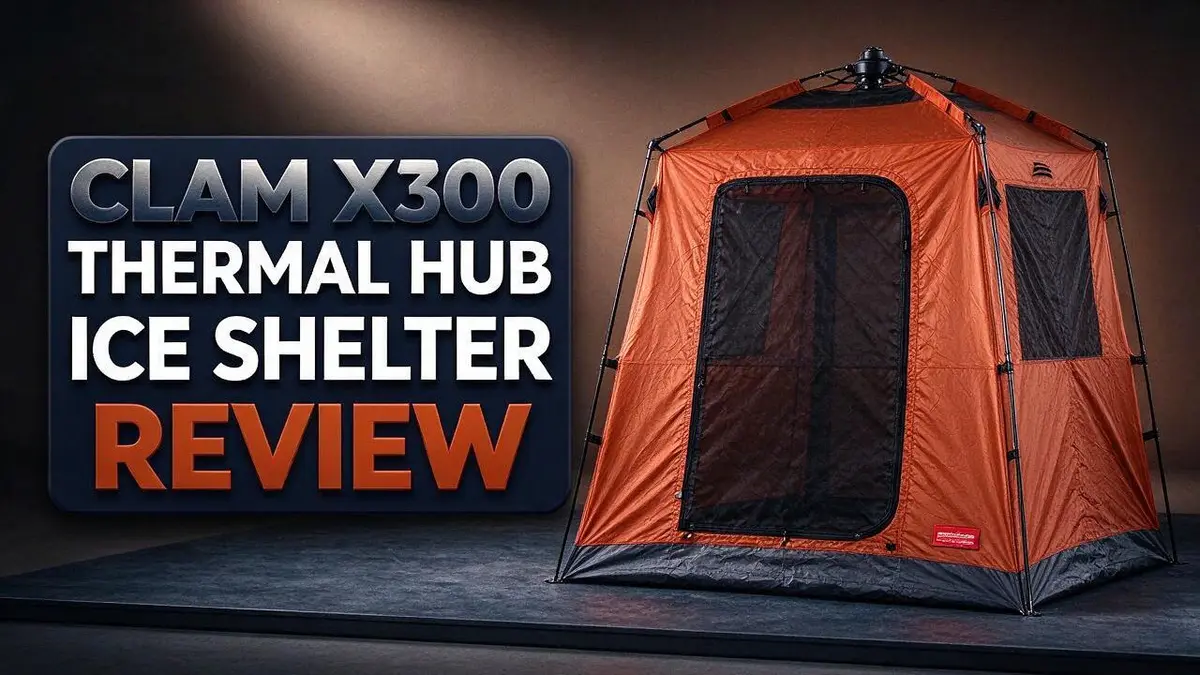
The Clam X300 Thermal Hub Ice Shelter aims to solve that problem. Many anglers choose Clam because its insulation helps people stay warmer on low heat.
Space matters too. Clam hub shelters give several anglers room to move, sit, and set up gear. The Max Entry door is one of the widest in the hub shelter category, according to Clam.
In this review, we look at what the X300 offers and how it compares with rivals like the Clam X200 Pro Thermal XT and the Eskimo FF949i FatFish Insulated. Let’s see if it fits your style of fishing.
In a Nutshell
-
Easy entry: The Max Entry door stands out. Clam says it is the widest door among hub shelters in the X Series.
-
Warm on low heat: Clam insulation helps anglers stay warm on low heat when temperatures drop below zero. Less heat can mean less fuel used on long days.
-
Limited X300 data: Public details about the X300 are thin. Most facts come from other X Series models, so check current specs before you decide.
-
Strong rivals: The Eskimo FF949i FatFish Insulated ranks as a close runner up. The Eskimo 850XDp is another model worth comparing.
-
Trusted brands: Otter appears among the top three shelter brands. Shoppers have several solid options to explore.
-
Best fit: The X300 suits anglers who want steady warmth and simple entry on cold ice days.
Shelter Size and Fishable Space

Last update on 2026-11-19 / Affiliate links / Images from Amazon Product Advertising API
Space is one of the first things anglers should check. A cramped shelter can ruin a good day fast.
The Clam X300 lists about 64 square feet of fishable space. That figure comes from a Clam Summit guide, so it may not be specific to this model.
Floor area shapes your whole setup. It decides how many holes you can run and where your gear sits.
Think about a bucket, a heater, tip ups, and a small cooler. Each item takes up room quickly.
Clam’s larger hub designs show what the brand can offer for groups. The X600 and the Ranger XT both offer ample interior space for multiple anglers.
The research does not confirm that the X300 offers the same room. Check the layout yourself before you commit.
Try a quick test at home. Mark the shelter footprint on your garage floor with tape.
Then place chairs, a bucket, and your gear inside. This trick shows if the space works for your crew.
Interior height matters too. Standing room makes it easier to change clothes and move around.
Low ceilings can feel tight after hours of sitting on the ice.
Floor size and fishable space are not the same thing. Benches, storage bins, and corners can eat into usable room.
Ask about the layout before you choose a model.
Seating deserves attention as well. Some shelters offer fold away seats or benches. These features free up floor space when you need it.
Look for a simple design that lets you move between holes easily.
Extra room also helps with safety. Anglers can keep ice picks, life vests, and a first aid kit within reach.
Match the shelter to your group size. Solo anglers may enjoy extra room for gear and warmth.
Pairs and small groups should look closely at floor area and seating. Good planning leads to a more comfortable day on the ice.
Insulation and Cold-Weather Warmth
Heat escapes fast on a frozen lake. Good insulation slows that loss and keeps your fishing spot comfortable.
The walls and roof do most of the work. Thick panels trap warm air inside, while thin fabric lets wind pull heat out quickly.
Floor insulation matters just as much. Cold rises from the ice, so an insulated floor keeps your feet and gear warmer.
Place a foam pad or rug under your chairs. These layers block cold from the ice and add comfort during long sits.
Check the door seals and zippers before every trip. Small gaps let cold air sneak in and weaken the whole shelter.
Heaters need fresh air to run safely. Sealed shelters can trap moisture and fumes. Plan for airflow and use a carbon monoxide alarm.
Condensation is the next problem. Warm breath and heater use create damp air. That moisture can drip onto your gear and freeze on the walls. Small vents help move moist air out.
Sun exposure also changes the temperature. A shelter facing the sun gains heat during the day. Position the door away from the wind for better comfort.
Your body heat matters too. Eat a snack and drink warm fluids before you sit down. Food fuels your body and helps you stay warm.
Dress in layers as well. A shelter helps, but thin clothing still leaves you cold. Wool and synthetic base layers handle sweat well.
Plan for changing weather. Temperatures can shift fast on open water. Pack a spare battery for your heater and an extra fuel tank.
Research on the X300 is limited. Read the manufacturer specs and owner reviews before you decide. Look for details on wall material, floor design, and vent placement.
Entry Door and Access
Getting in and out of the shelter should feel simple on a cold morning. This section looks at how the entry door works and how it affects your day on the ice.
Carrying gear is the first real test. Most anglers haul buckets, rods, heaters, and tip ups across the ice. You want a clear path that lets you slide everything through without banging into the frame.
Plan your route before you drag the shelter onto the ice. Pick a path that avoids slush, cracks, and deep snow drifts. Clear the ground near the door so your boots land on solid footing.
Think about wind direction first. Set the door so it faces away from the prevailing gusts. A door that points into the wind can fight you every time you open it. Cold air also rushes in fast.
Step height matters for older anglers and kids. A lower threshold makes climbing in far less tiring. Sit on a stool just inside the door and see how your knees bend.
Quick exits save you trouble. If the ice groans or a storm rolls in, you need to leave fast. Practice opening the door from inside and outside. Keep the path clear of gear so nothing blocks your way.
Secure the door every time you step away. Wind can make a loose flap bang and tear the fabric. A simple strap or clip holds it steady while you check your lines.
Keep the entry area tidy. Store loose rods and bait cups away from the threshold. Snow tracked inside can melt, freeze, and make the floor slick near the door.
Consider who will use the door most. Kids and pets may run in and out all day. A door that closes well keeps the heat inside and the cold out. Good access makes every trip feel easier.
Top 3 Alternatives
If the Clam X300 does not suit your needs, these three shelters are worth a look. Each one fits a different type of angler. Here is a quick look at each option.
Clam Legend XT

Last update on 2026-11-19 / Affiliate links / Images from Amazon Product Advertising API
Anglers who want a roomy shelter often choose the Clam Legend XT. It offers a spacious interior that fits a few people comfortably. The setup process is quick, so you spend less time in the cold and more time fishing. Gear storage is simple, and you can keep rods and tackle within easy reach.
Good fit for: families and groups who want extra room.
Eskimo Quickfish 3


Last update on 2026-11-21 / Affiliate links / Images from Amazon Product Advertising API
The Eskimo Quickfish 3 is a popular pick for anglers who move around a lot. It folds down into a compact size that fits easily in a truck bed or trunk. Many users like its simple setup and light carry weight. It also works well for quick trips when you do not want to haul heavy equipment.
Good fit for: solo anglers who travel to many fishing spots.
Otter XT Pro

Last update on 2026-11-19 / Affiliate links / Images from Amazon Product Advertising API
The Otter XT Pro focuses on comfort during long days on the ice. It keeps the inside warm and cozy, even when the wind picks up. Its sturdy build handles harsh conditions with confidence. Many anglers appreciate the extra headroom and the layout that makes it easy to move around.
Good fit for: anglers who fish in cold, harsh weather.
Setup and Portability
Setup can make or break your first morning on the ice. A quick, clear routine saves time and keeps your hands warm.
Start by reading the manual once at home. It shows the frame order and the correct pole placement.
Practice the full setup before opening day. Shelters can feel tricky the first time, especially with cold fingers.
Lay out every piece on a flat surface. Check that poles, clips, and fabric panels are all present.
Work in a calm spot if possible. Pop the frame up with two people when you can. A helper keeps the fabric from snagging.
Pin the corners down first. Anchor each corner before you fill the interior. This keeps the frame from shifting in a light breeze.
Portability matters just as much as setup. Check the packed weight and size before you head out.
A shelter that folds into a compact bag fits more easily in a truck bed or back seat. Look for a bag with comfortable straps or handles.
Many anglers use a sled to pull gear across the ice. Keep the load balanced and low. A bundle that sits heavy on top tips easily on rough ice.
Storage at home affects your next trip too. Let the shelter dry fully before you pack it. Damp fabric can grow mildew and smell bad by spring.
Keep a repair kit in the bag. Include spare zip ties, duct tape, and a few extra stakes or clips for quick fixes.
A simple packing order speeds up teardown. Put the frame in first, then the fabric, then small parts in a mesh bag. Label the bag so you find pieces fast next time.
Plan your setup window before sunrise. Anglers arrive early, so a quick build keeps your holes open for the best bite times.
In short, practice at home, pack in order, and store everything dry. These habits make any hub shelter easier to manage every season.
Weather Resistance and Durability
Weather resistance decides how well your shelter performs. Wind, snow, and freezing rain test every part of the structure. This section looks at what holds up best on the lake.
Our research found very little X300 specific data. Most points below come from the wider Clam X Series lineup, so treat them as general guidance.
Wind load comes first. Strong gusts push hard on the sidewalls and frame. A sturdy frame resists bending and keeps its shape through a blustery morning.
Snow can add weight fast. Heavy wet snow may sit on the roof for hours. Brush it off after each storm so the frame does not strain.
Fabric thickness shapes how long the shelter lasts. Tougher outer materials resist scrapes from ice, sled runners, and gravel. Look for a UV resistant coating for long spring days on open water.
Metal parts can rust if they stay wet. Let the shelter dry fully before folding it. Trapped water near hinges and fasteners leads to corrosion over time.
Cold weather makes fabric stiff. Give the shelter a few minutes to warm up before packing. Forcing stiff material into the bag can stress seams and cause small tears.
Seams deserve a close look each season. Run your hand along every stitched line. Patch small tears early with repair tape, because wind turns tiny holes into big problems fast.
Freeze and thaw cycles also matter. Water seeps into seams during a warm afternoon. It then freezes overnight and widens small gaps, so check the seams after every thaw.
Off season storage protects the shelter. Keep it in a dry, cool space away from direct sunlight. Lay it flat or loosely folded, and avoid stacking heavy items on top.
A little care goes a long way. Simple checks after each trip keep weather damage low. Your shelter will stay ready for many winters on the ice.
Pros and Cons
Pros
– Insulation keeps you warmer on low heat during sub-zero days.
– Roomy interior space gives several anglers room to fish together.
– 64 square feet of fishable space suits families and groups.
– Clam ranks among the top brands in the ice shelter market.
Cons
– Very little X300 specific data exists, so check recent owner reviews.
– A larger interior takes longer to warm up with a heater.
– The wide frame needs more open ice around it.
– Strong rivals like the Eskimo FF949i FatFish Insulated compete closely.
Who Should Buy It
Some anglers will get more from the Clam X300 than others. Knowing who fits best makes your choice much easier.
Parents who fish with kids often look for a spot where little ones can sit out of the wind. This shelter gives them a warm place to wait between bites.
Anglers who fish one lake all season may enjoy this shelter most. A setup that stays put for weeks feels like a smart long-term investment of time.
Ice fishers who like to roam may prefer a shelter they can set up quickly. Moving between holes often matters more than having a big interior.
Beginners with a bit of patience can learn this shelter well. The first few setups take practice, but the payoff is a steady base camp.
Groups who plan long winter trips may find this model a strong fit. Extra room lets everyone share food, rods, and warm drinks without crowding.
Solo anglers who fish light may feel the shelter offers more space than they need. A smaller setup could suit a quick morning session better.
Anglers who fish busy public lakes often deal with crowds and tight spots. A shelter that sits neatly among neighbors helps everyone stay comfortable.
Keep in mind that the research found very little X300 data. Read recent owner reviews before you decide, and ask local anglers who fish your lakes for their honest opinions.
In short, the X300 suits families, groups, and steady anglers who plan to stay in one place. Mobile or solo anglers should compare other options before making a final decision.
Final Verdict
Our final take is simple: the Clam X300 deserves a close look, but verify it before you buy. Most of the evidence points to Clam’s general strengths rather than clear X300 proof. That gap matters, so treat this verdict as a starting point.
Clam has earned a place among the top brands in the ice shelter market. The X300 carries that name, so it stands as a credible option for many anglers. Still, smart buyers compare it with rivals before they commit.
Look hard at the Clam X200 Pro Thermal XT first. It earned the top pick in one major guide. Its track record gives you a helpful benchmark. Use it as a yardstick when you inspect the X300 in person.
Eskimo offers strong competition too. The Eskimo FF949i FatFish Insulated placed as runner-up. The Eskimo 850XDp goes head to head with Clam’s X800. Comparing those models side by side shows where each brand shines.
Otter also earns a place among the top three brands. Adding it to your shortlist gives you a wider view of the market.
Your next steps matter most. Write down your must have features before you shop. List the door style, floor size, and setup time you need.
Then score each shelter against that list. This simple method keeps your decision clear and fair.
Read recent owner reviews, especially from people who fished the X300 in cold weather. Ask local bait shop staff or guides which shelters they see on the ice most often.
If possible, set the shelter up in a yard before opening day. Check the door, zippers, and frame while you still have time to fix problems.
Make the choice that fits your fishing days, not someone else’s. With careful research, you can pick a shelter that keeps you warm and ready for a great winter on the ice.
Frequently Asked Questions
What is the Clam X300 best used for?
The Clam X300 suits anglers who want a warm, sheltered spot to sit while they fish. It works best when you plan to fish from one spot for several hours. Check your local lake rules before you bring it onto the ice.
Can one person set up the Clam X300 alone?
Many anglers set up hub shelters on their own. A second person makes the job faster and easier. Practice the setup in your yard first, so you know each step before you reach the ice.
How do I run a heater in the Clam X300 safely?
Always keep a carbon monoxide alarm inside the shelter when the heater runs. Crack a vent or door for fresh air. Never leave a heater on when no one is inside. Read the heater manual for placement and fuel rules.
How do I keep the Clam X300 from blowing around in wind?
Wind can push a large hub shelter across the ice. Anchor the shelter with ice screws or weights before you sit down. Choose a spot with natural windbreaks, such as shoreline trees or nearby shelters, when you can.
What should I check before I choose the Clam X300?
Confirm the exact model year with the seller. Look at owner photos and videos to see how the frame and door look in real use. Make sure the zippers, floor, and frame match the features on your list.

Hi, I’m Ivy Webb, the passionate angler and creator behind BaitHookVault.com. I spend my days out on the water personally testing and reviewing a wide variety of fishing tools and gear.