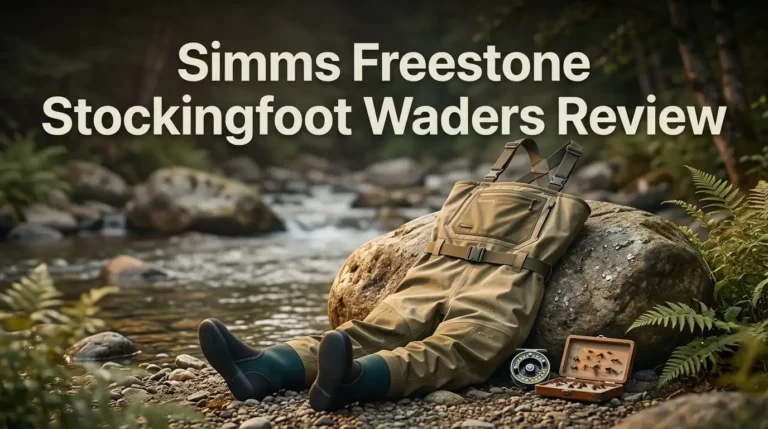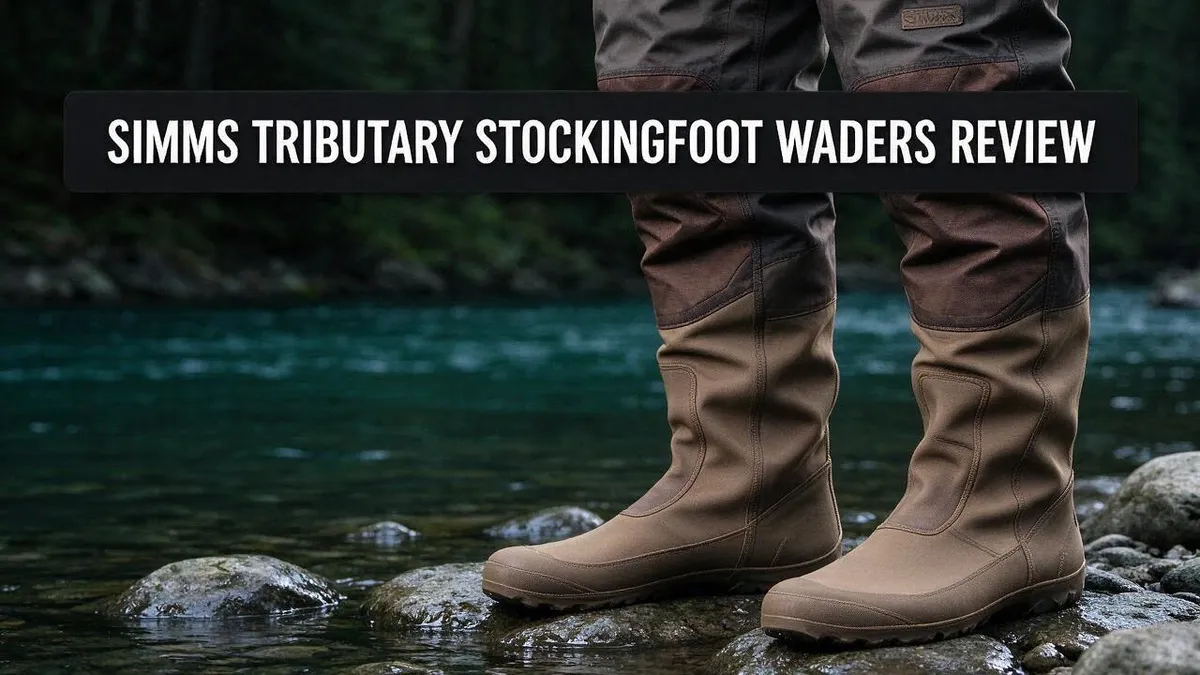
Simms Tributary Stockingfoot Waders Review 2026: Waste of Money?
Cold water and wet feet do not mix well. That is why a good pair of waders matters so much on the stream. The Simms Tributary Stockingfoot Waders aim to keep you dry and comfortable all day long.
Simms made these waders for women who love fly fishing. They pair with separate wading boots, so you can choose the footwear you prefer. The neoprene stockingfeet fit the body closely, and an antimicrobial finish helps fight odor.
Still, no gear is perfect. Some anglers report sole wear after about two seasons, while others mention seam issues. Keep reading to see what works, what falls short, and whether these waders fit your fishing style.
In a Nutshell
- Anatomical fit: The neoprene stockingfeet follow the natural shape of the foot. This helps your feet feel more comfortable during long days on the water.
- Antimicrobial finish: The material includes an antimicrobial treatment. This helps reduce odor and keeps the waders fresher between trips.
- Leak protection plan: Simms offers a replacement policy for leaks that lasts 60 days. Anglers can test the waders and report problems within that window.
- Sole wear over time: One angler noticed the soles wore down after about two seasons. A patch made with Aquaseal solved the problem, so simple repairs can extend their life.
- Seam concerns: Some users have reported seam issues. Check the stitching carefully before your first trip, and keep a basic repair kit nearby.
- Where research falls short: Reliable details about materials, thickness, and sizing are hard to find. Full review ratings and direct Simms competitor comparisons are also missing, so read several reviews before you decide.
Build and Materials


Last update on 2026-11-22 / Affiliate links / Images from Amazon Product Advertising API
These waders start with the feet. Simms uses a stockingfoot design, so the neoprene covers your feet and your boots go on over it. This setup feels different from bootfoot styles, so give yourself time to adjust.
Neoprene does most of the heavy lifting in this build. It holds a thin layer of water close to your skin. Your body heat warms that layer, which helps you stay comfortable in cold creeks.
Sock choice matters more than many anglers expect. A light sock under the neoprene can add comfort and reduce rubbing. Thick socks, however, may make the fit feel tight inside your boots.
The upper half of the waders also shapes your comfort. Pay close attention to the bib and straps. They should sit flat when you bend, kneel, or cast from a rock.
Material weight changes how you move in the water. In general, lighter materials feel easier to move in. Heavier materials usually handle rough brush and sharp rocks better.
Exact thickness details are hard to pin down, so judge the feel yourself. Try the waders on at a shop when possible. Stand, squat, and climb a step to test the movement. Stand still for a minute, then walk a short distance to check for any pinching.
Care keeps neoprene in good shape. Rinse the waders with clean water after each trip. Let them dry out of direct sunlight and heat, since heat can break down neoprene over time.
Store them loosely hung or laid flat. Folding them tightly for long periods can create stress points in the material. Good storage helps your waders last from season to season.
Overall, the build focuses on a close fit and a comfortable feel. Your choice of socks, bib fit, and daily care will shape how well these waders work for you.
Take time with each detail. You will enjoy more comfortable days on the water.
Fit and Sizing for Women
Getting the right size makes a big difference with these waders. A poor fit can cause rubbing, chafing, and fatigue on long days.
Start by measuring your height, waist, and hips. Then compare those numbers to the brand size chart before you order. Charts can vary between models, so read them closely.
Try them on with your boots. Wear the same boots you plan to use on the water. Boots that feel roomy in a store can feel tight once the waders go on.
Check the crotch and leg length. The crotch should sit in a natural spot without pulling. Legs that run too long bunch at the knee, while short legs pull tight when you step up on a rock.
Move through a full range of motion. Bend your knees, squat, and reach forward. Climb a few steps and lift one leg high. Good waders let you do each move without strain.
Plan for your layers. Cool spring mornings and chilly fall days call for extra room. Going too tight can restrict movement and make you feel colder.
Adjust the suspenders carefully. Set them so the bib sits flat across your chest. Straps that dig in can cause soreness after a few hours on the water.
Many anglers find that a snug waist with room in the hips feels most comfortable. Test this by sitting down and standing back up.
Women with shorter torsos or longer legs may need a different fit. Look for a size that matches your overall frame, not just one measurement.
Check the return terms before you buy. Keep your receipt and tags in case the fit feels wrong after the first outing.
A good fit feels secure but never tight. If you feel pinched or pulled across the back, try another size. Ask a local shop for help if you can. Staff who know waders can spot fit problems quickly.
Durability and Repairs
Durability matters a lot when you spend long days in cold creeks. Good gear can last many seasons, and simple habits extend that life.
Your boots do more than hold your feet. They shield the neoprene from grit and sharp stones. Pick boots with a firm fit so the stockingfoot does not rub against the sole edge.
Check for small damage before every trip. Run your hands along the seams, knees, and seat. Look for thin spots, scuffs, or tiny cuts. Catching a problem early saves you from a wet day on the water.
Keep a basic repair kit in your vest or pack. A tube of Aquaseal works well on many neoprene and rubber patches. Clean and dry the area first so the patch sticks. Let it cure fully before you wear the waders again.
Patch small problems fast. Waiting too long lets a tiny hole grow. A quick fix on the water can keep you dry for the rest of the day. Keep the patch smooth so it does not catch on brush.
The knees and seat take the most strain when you kneel or climb over logs. Reinforce those areas before weak spots form. Check them after every few trips.
Avoid rough surfaces when you can. Step around sharp rocks and fallen branches. Kneel on soft mud or grass instead of jagged stone. Gentle movement helps the material last longer.
Dry your waders inside out after every outing. Hang them in a shaded spot, away from heaters and direct sun. Heat breaks down neoprene over time, so keep that in mind.
Test before a big trip. Fill the waders with water in a tub and hold them for a few minutes. Check for drips at the seams and feet. This simple check gives you peace of mind before a long day in the river.
Top 3 Alternatives
If you want other options, these three waders are worth a look. Each one offers a different feel on the water.
Patagonia Swiftcurrent Waders

Last update on 2026-11-22 / Affiliate links / Images from Amazon Product Advertising API
The Swiftcurrent suits anglers who fish moving water. Its outer shell handles rocks and brush well.
The fit feels comfortable for long days. Many anglers like the breathable fabric because it keeps them cool when the weather turns warm.
Its reinforced knees and seat resist wear. Kneeling on gravel or sliding down banks will not wear them out quickly.
Orvis Silver Sonic

Last update on 2026-11-22 / Affiliate links / Images from Amazon Product Advertising API
The Silver Sonic suits anglers who want a lightweight pair. It moves easily with you on the trail and in the river.
The seams hold up well under regular use. It pairs nicely with a simple wading boot.
The stretchy panels allow a full range of motion when you cast. Many anglers choose it for warm weather trips.
Redington Sonic Pro

Last update on 2026-11-22 / Affiliate links / Images from Amazon Product Advertising API
The Sonic Pro focuses on everyday performance. It offers a snug fit and reliable stitching.
Beginners often find it easy to layer under warm clothing. It works well for cold spring streams.
The gusseted crotch helps prevent tearing during long days. It is a practical pick for anglers who want dependable gear.
Comfort and Mobility on the Water
The stockingfoot design changes how your feet feel on the water. Your feet slide into the neoprene stockingfeet, and your boots take over from there. This split setup lets you choose boots with the grip and support you prefer.
The stockingfeet follow the natural shape of your feet. Their anatomical build helps reduce bunching around the arch and toes. Fewer wrinkles can mean fewer pressure points after a long day of wading.
An antimicrobial finish keeps the inside feeling fresher. Odor can build up fast when you wear waders for hours. A clean feel makes the trip more pleasant from the first cast to the last.
Stance matters more than most anglers expect. Keep your feet wide and your knees soft. This low base helps you stay steady when the current pushes against your legs.
Moving upstream takes extra effort. Short, steady steps work better than long strides. Plant each foot firmly before you shift your weight to the next one.
Getting in and out of the water takes care. Use a sturdy branch or your rod for balance on the bank. Sit on a flat rock to pull the waders up, then stand slowly.
Warm up before you head down to the creek. Your hips and calves often feel stiff after a long drive. A few gentle stretches get your body ready for the walk over uneven ground.
Breathing also affects your comfort. Cold water can make your chest tighten at first. Slow, deep breaths help you settle in and stay focused on your footing.
Pay attention to heat on warmer days. Neoprene holds warmth well, so you may feel damp by midday. Take short breaks in the shade and let your legs cool down.
Comfort grows with time on the water. The more you wear them, the more the fit settles. Give them a few short trips before you plan a long outing.
Care and Maintenance
Rinse them with fresh water after every trip. Mud, sand, and fish slime can wear down neoprene over time. A gentle rinse keeps your waders feeling fresh for the next outing.
Use mild soap and lukewarm water. Harsh detergents can strip away the antimicrobial finish. Pour a little gentle soap into a tub, swish the waders around, and rinse them well.
Skip the washing machine and dryer. Heat can warp neoprene and make it stiff. Air drying keeps the material flexible, so your waders fit comfortably for longer.
Keep lotions and bug spray off the fabric. Oils and chemicals can break down the rubber over time. Apply sunscreen and repellent before you gear up, and wipe away any drips.
Hang them when they are not in use. Hanging keeps creases from forming in the seams and knees. Clip the suspenders to a wide hanger, and leave the bib open so air can flow through.
Pick a cool, dark spot for storage. Direct sunlight and heat can age the material faster. A closet away from the garage or car trunk works well.
Avoid storing them damp or folded tight. Trapped moisture can lead to a musty smell. Tight folds can also weaken the seams over many seasons.
Carry them in a breathable bag. Sealed plastic traps moisture and can cause odors. A mesh gear bag lets air move around them during the drive home.
Keep them away from pets and sharp tools. Claws and blades can snag the neoprene and cause small tears. Hang them high on a hook or store them on a shelf.
Let them air out after a long season. Lay them flat in a shaded spot for a day before packing them away. This step removes any lingering dampness from deep inside the legs.
Give them a little attention each season. Simple habits can help your gear last for years. Small steps now keep your waders ready for every cold morning on the creek.
Pros and Cons
Pros
- Core Simms performance features in a women’s stockingfoot design
- Comes with a 60 day replacement policy for leaks
- Anatomically engineered neoprene stockingfeet follow the natural shape of your feet
- An antimicrobial finish keeps the inside feeling fresher
- Pairs with separate wading boots for a flexible setup
Cons
- Some users report sole wear after about two seasons
- One user reported a seam issue with few details
- You need to buy separate wading boots
- Verified specs for materials and sizing are still unclear
Who Should Buy It
The Simms Tributary Stockingfoot Waders fit women anglers who fish creeks and small trout streams. Shallow, moving water is where this wader works best. It suits people who wade often but rarely venture into deep current.
Anglers who already own reliable wading boots get the most from this setup. The waders cover the legs and feet, while the boots handle grip and ankle support. This split lets you control both your fit and your footwear.
Hikers who walk long distances to reach remote water may also like it. You can choose boots built for the trail and swap them in at the bank. That flexibility helps when your fishing spots change from day to day.
Weekend anglers who visit the water a few times each month may find this wader practical. Regular trips call for gear that feels ready whenever you need it. A wader like this can handle that steady rhythm.
Beginners can also use this wader to learn the basics. Calm creeks give new anglers room to practice. Early trips show you where you feel steady and where you need more time.
Shoppers buying for a partner or friend should check sizing carefully. The verified sizing details remain unclear, so compare measurements before you commit. A short call to the seller can save you a lot of frustration.
Who should look elsewhere? Anglers who fish deep rivers or cold lakes may need something heavier. Guide pants, such as Frogg Toggs Hellbenders, offer a different style for deeper water. Hip waders can also work for light creek fishing.
Before you decide, ask yourself one simple question. Do you mostly fish shallow water? If you do, this design fits your routine well. If you often wade deep, fast rivers, compare other options first.
Check the seams after every few trips. One user reported a seam issue, so a quick look can catch small problems early.
Final Verdict
Our final take is simple: these waders suit creek lovers well. Simms built them for small water and gentle wading days.
Think of them as a dependable base layer for your fishing kit. You still need good boots, so plan that step into your gear list.
Before you buy, test the fit with your favorite socks. Stockingfoot designs depend on how snug the neoprene feels around your feet. Try them on while standing, bending, and kneeling.
When they arrive, check the seams carefully. One user reported a seam problem, so inspect every stitch before your first trip. Keep your proof of purchase handy in case a leak shows up early.
Plan for sole care from day one. Some users noticed sole wear after about two seasons. A patch with Aquaseal fixed the issue for one angler, so keep a repair kit in your tackle bag.
Think about your typical water before committing. If you fish mostly small trout streams, these waders should feel light and manageable. If your trips involve heavy current, consider a different setup.
On warm days, wear a lightweight base layer underneath. Neoprene can feel warm in summer, so comfort matters. Breathable clothing helps you stay focused on the fish.
Ask yourself one question before checkout. Will you fish these waters several times each season? If yes, this pair can serve you well for years.
Give the neoprene time to settle. New waders can feel stiff at first. Wear them around the house for a short while before your first trip. Stretch them gently at the knees and ankles.
Bottom line, buy them if you want easy comfort on creeks. Pair them with boots you already trust, test the fit, and inspect the seams. You will likely enjoy many relaxed days on the water. Your next trip starts with a good fit and careful checks.
Frequently Asked Questions
How do I clean and store these waders?
Rinse them with fresh water after every trip. Let them dry fully before you fold them. Keep them out of direct sunlight, since heat can dry out the neoprene over time. Store them loosely so the fabric keeps its shape.
Can I fish in cold water with these waders?
Neoprene holds heat well, so cold days feel more manageable. Wear wool or fleece layers underneath for extra warmth. Keep your core warm, and your legs will stay comfortable for longer.
Are these waders suitable for kids?
These waders are made for women anglers, so they may not suit children. Research does not list youth sizes. Contact the brand directly before you buy for a young angler.
How can I make these waders last longer?
Good habits add seasons of use. Dry them after each trip and store them in a cool, dry spot. Check the feet and soles often, so you can spot small wear early and fix it fast.
Do these waders work for summer fishing?
Summer heat can feel tough in neoprene. Fish early in the morning or in the evening when the air stays mild. Take breaks in the shade between casts, and drink water often.

Hi, I’m Ivy Webb, the passionate angler and creator behind BaitHookVault.com. I spend my days out on the water personally testing and reviewing a wide variety of fishing tools and gear.