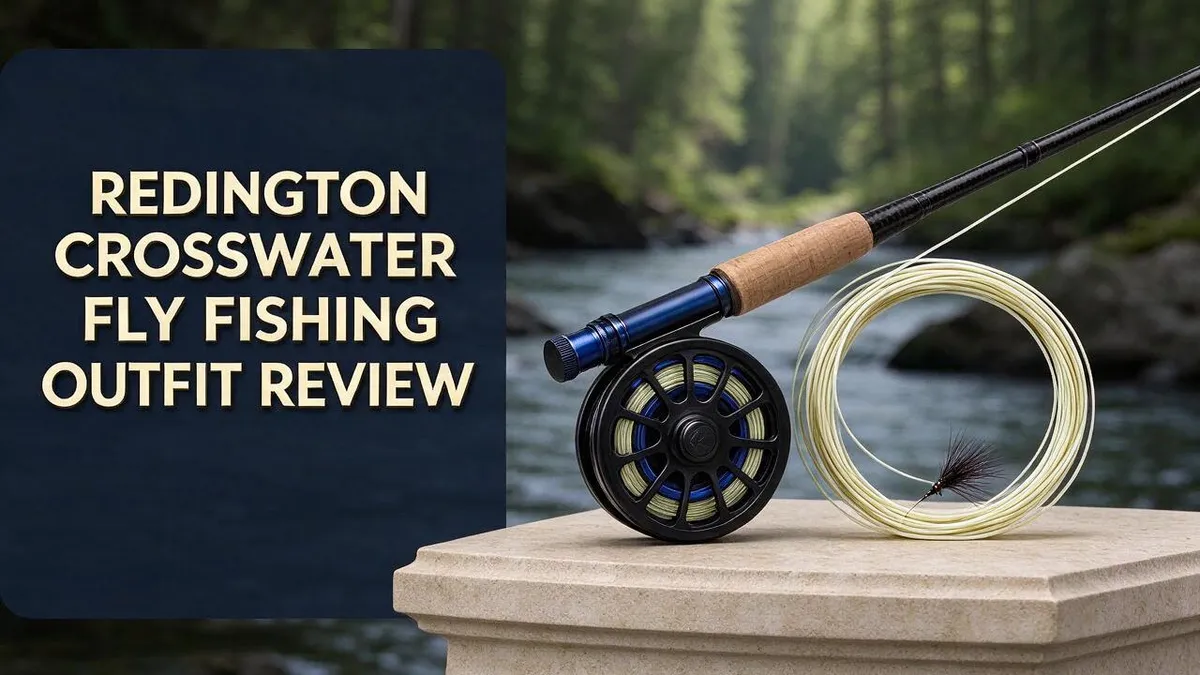
Redington Crosswater Fly Fishing Outfit Review 2026
If you want to start fly fishing, the Redington Crosswater outfit deserves a close look. It comes as a complete kit with a graphite rod, a reel, and the accessories you need on the water.
Many beginners choose this setup because it feels easy to cast. The medium fast action gives new anglers enough power to get the line moving. Reviewers also say it feels comfortable in the hand during long days.
Casting distance is one of the first things people ask about. Users report casts between 75 and 95 feet. Accurate placement within about 60 feet is what most anglers really need.
In a Nutshell
- Who it suits: New anglers who want one complete kit without hunting for separate parts. This setup fits people who plan to learn on local lakes, rivers, or ponds. It gives a simple start without much guesswork.
- Included gear: The package brings the rod, reel, and accessories in one box. You can head to the water sooner. Less shopping means less confusion for first timers.
- Rod feel: The medium-fast action gives novice casters enough power without feeling harsh. Smooth loading helps new casters build timing. Comfort matters on long days by the water.
- Watch the tip: Several anglers report broken tips after rough use. Store the rod in a protective tube and avoid stepping on it. Careful handling can extend its life.
- Plan an upgrade: Many reviewers suggest a better fly line to get more from the setup. The stock line may not suit every water type. A quality line can improve turnover and control.
- Warranty: One reviewer found the claim process slow with a long wait. Keep your receipt and proof of purchase ready. Good records can speed things up.
Rod Action and Casting Feel


Last update on 2026-11-19 / Affiliate links / Images from Amazon Product Advertising API
Timing matters more than strength. Many beginners think a stiffer rod throws farther. Smooth timing creates a cleaner loop than raw force does.
A medium fast rod bends mostly in the upper third. This shape helps the rod load quickly on a short line. You feel the weight pull the tip back.
Short casts test the feel most. Most new anglers practice at ten to twenty feet. Here, the rod should stay calm and predictable.
Smooth stops help beginners too. A clean stop at about ten and two o’clock sends the loop forward. Jerky stops make the line crash on the water.
Wind changes the story. A medium fast rod can handle light breezes. Slow, steady strokes keep the fly under control when gusts pick up.
Pair the rod with the right line. A line that matches the rod weight gives better feedback. Mismatched lines can make even a good rod feel sloppy.
Practice helps the rod feel natural. Try a simple drill on a lawn for five minutes each day. Count a short pause at each stop. This rhythm builds smooth timing fast.
Accuracy comes from feel. The rod can help you place the fly accurately within about 60 feet. Good timing matters more than raw force.
Tip recovery deserves attention. A fast recovery snaps the line forward. A slow recovery lets the loop open and drift. Watch the tip after each stop.
Hand comfort also shapes feel. A light grip lets the rod move freely. Squeezing hard can stiffen your wrist and rush the cast.
Take notes after each session. Write down whether the loop felt tight or wide. Over time, you will see clear patterns in your timing.
Final thoughts on feel. The Crosswater suits learners who want a forgiving casting stroke. Patience with timing will pay off on the water.
Build Quality and Reel Seat
The reel seat sits where your hand meets the rod. It holds the reel steady during every cast. A solid seat makes the whole outfit feel more secure.
The Crosswater uses an anodized machined aluminum reel seat. Anodizing adds a hardened outer layer to the metal. This layer helps the seat resist scratches and everyday wear.
Machined aluminum feels clean in your hand. The edges are smooth. You will not feel rough spots while you hold the rod for long sessions.
Check the fit before you fish. Slide the reel foot into the seat. It should sit snug without wobbling. A loose reel can shift during a cast and throw off your timing.
Tighten the locking nut by hand. Avoid using pliers or other tools. Too much force can stress the threads over time. Gentle pressure keeps the connection secure.
Aluminum handles water well. Still, saltwater leaves residue on any metal surface. Rinse the reel seat with fresh water after each trip. Dry it fully before you store the outfit.
The grip area around the seat matters too. Your hand should feel relaxed, not pinched. When the seat and handle work together, the rod feels balanced and easy to control.
Pay attention to how the reel and seat line up. The reel should sit centered on the rod. A crooked fit can make the rod feel off balance during long casting practice.
Build quality matters most when you fish often. A well made seat stays put and keeps your gear reliable. Inspect the seat every few trips for cracks, loose parts, or worn threads.
Small habits protect your investment. Store the outfit in a dry place. Keep the reel seat cap on when you transport the rod. These steps help the seat last for many seasons.
Durability and Warranty Experience
Durability starts before you ever cast. Most damage happens during setup, transport, and packing up. Treat the rod like a precise tool, not a stick.
Keep the rod in its tube whenever you drive. Loose rods slide around and can snap when a door or bag shifts against them. A simple sleeve adds another layer of protection.
Sand and grit cause more wear than most anglers expect. Rinse the rod and reel after a day near the coast. Salt and sand can work into the guides and reel seat over time.
Wipe each section dry before you take it apart. Trapped moisture can swell the joints over time. Store the pieces loose in a dry room, not a hot car.
Keep a small repair kit in your bag. Pack electrical tape, a small screwdriver, and some thread for minor wrap repairs. Quick fixes on the water can save your trip.
Document your gear from day one. Save the receipt and note the purchase date. Take clear photos of the rod, reel, and serial numbers. Good records make any claim easier to start.
Register the product on the maker’s website if that option exists. Some owners find this step saves time later. Keep the original box too, since it holds instructions and packaging details.
Inspect the gear after every session. Run your fingers along each section to feel for nicks. Check the guides for loose wraps or grooves. Small fixes stay small when you catch them early.
Rods rarely fail in a single moment. Small stresses build up over many trips, so early checks matter most.
Heavy fish and tough conditions test every outfit. Avoid forcing a big fish on light gear. Use steady pressure instead of sudden jerks. Let the rod bend and let the reel drag do the work.
Good habits help this outfit last for many seasons. Treat it with care, keep records, and check it often. Your gear will reward you with steady performance on the water.
Top 3 Alternatives
Looking for a different fly fishing setup? These three options give you strong choices. Each one suits a different type of angler.
Orvis Clearwater Outfit

Last update on 2026-11-19 / Affiliate links / Images from Amazon Product Advertising API
The Orvis Clearwater Outfit suits beginners and casual anglers. It comes ready to fish right out of the box, so you can head to the water fast. The rod feels light in the hand, which makes long days on the stream feel easy. You get a good balance of value and performance. Many anglers choose it for trout streams and small rivers.
Echo Base Fly Rod

Last update on 2026-11-19 / Affiliate links / Images from Amazon Product Advertising API
The Echo Base Fly Rod brings a fast action that many people enjoy. It casts well in windy conditions and handles a range of line weights. Anglers who want a simple, reliable rod often choose this model. It also works well for bass and panfish when you fish warm lakes and ponds.
Sage Foundation Fly Rod

Last update on 2026-11-19 / Affiliate links / Images from Amazon Product Advertising API
The Sage Foundation Fly Rod offers a smooth and forgiving feel. It helps new casters build good form from the first session. Its medium fast action makes accurate presentations easier. Experienced anglers also keep it in their bags as a dependable backup rod.
Pick the option that matches your skill level and fishing style. Each choice gives you a solid start on the water.
Included Kit and Line Upgrade
The Redington Crosswater arrives as a complete kit. You get a rod, a reel, and a few accessories in one box. This makes setup easy for new anglers, so you do not need to hunt for each part.
The rod is the star of the package. It uses a medium fast action that suits small streams and ponds. The graphite blank feels light, so you can fish longer without tiring your arm.
The reel holds your line and gives you a smooth way to store extra line. It handles basic fishing well. Still, check that the reel balances the rod before your first trip.
Read the package list carefully. Confirm what came in the box so nothing is missing when you reach the water.
Many anglers find the included line a bit basic. A basic line can sink too fast or coil in the guides. Swapping it for a better line often improves your casting feel.
Match the line to the rod weight printed on the blank. For a 5 weight rod, choose a 5 weight line. This match helps the rod load properly during each cast.
Think about where you fish most. A floating line works well for dry flies on calm water. A sink tip line suits deeper pools where fish hold lower.
Know when the upgrade makes sense. Try the included line for a few sessions first. Then note where it struggles, such as shooting line or lifting off the water.
Leaders and tippet also deserve a look. A tapered leader helps the fly land softly. Buy a few spools of tippet in common sizes so you can adjust on the water.
Keep your first upgrade simple. Choose one new line and one leader. Then learn how each change affects your casts before you buy more gear.
Pros and Cons
Pros
- Easy to cast for anglers who are just starting out.
- Praised as a beginner setup that builds confidence on the water.
- Comfortable in the hand during longer fishing sessions.
- Users report casts reaching 75 to 95 feet.
- Accurate placement is possible within about 60 feet.
Cons
- Some anglers report broken tips after regular use.
- Casts beyond 95 feet are hard to achieve.
- Experienced anglers may want more power for big water.
Who Should Buy It
This outfit fits people who are just starting out in fly fishing. A complete kit takes the guesswork out of the first purchase. Everything you need sits in one box.
New anglers who want to learn the basics will feel at home. The rod loads well during slow practice casts. You can focus on timing and rhythm instead of fighting your gear.
Families also make a great match. Parents often want a simple setup that a young angler can handle. Two people can share a relaxed day on a quiet pond with ease.
Weekend anglers who fish small water also benefit. Local creeks, farm ponds, and lakes with gentle banks suit this outfit well. You do not need long casts to enjoy a calm morning on the water.
Gift buyers should consider this kit too. A new angler will appreciate a ready to go package. Pair it with a few flies and a good hat for a thoughtful present.
Skip this outfit if you chase big fish in tough conditions. Strong wind, heavy current, or large saltwater species call for gear with more backbone. A seasoned angler may feel limited on those days.
Anglers who already own a full collection of rods may not need it. A spare rod for the car can still come in handy. If you want a step up, compare it with options like the Orvis Clearwater.
Think about your goals before you buy. Ask where you plan to fish and who will use the gear. A clear answer helps you decide if this kit fits your next trip.
Final Verdict
Our final take is simple. The Redington Crosswater works well as a first fly fishing outfit. It gives new anglers a real chance to learn without feeling lost.
The biggest win is learning time. A beginner spends less energy fighting the gear. That means more time focused on reading water and watching for rises. Good habits start early, and this kit supports them.
Still, the outfit has clear limits. Some anglers report broken tips, so handle the rod with care. Plan to inspect the tip before each trip. Look for cracks or loose ferrules.
The warranty process deserves a mention too. One reviewer found it slow, with a long wait for replacements. Keep your receipt somewhere safe and act early if something breaks. Do not wait until the next big trip to ask for help.
Think about your next step after a few months. If the outfit starts to hold you back, it may be time to upgrade. Experienced anglers often move on when wind or big fish become common. Upgrades make sense when your skills grow faster than the gear.
Who should buy it today? Choose this outfit if you want a simple start on small streams and ponds. Pick something else if you plan to fish big rivers or saltwater often. Honest expectations lead to happier fishing.
Consider a short casting lesson at a local shop. A guide can check your stroke and spot small habits fast. Many fly shops offer beginner lessons, and the time often pays off quickly. Bring your rod and ask the instructor to watch your backcast.
A calm pond with open space gives you room to practice. Spend a few sessions on basic casts before you try longer distances. Keep each session short and fun. Small steps build steady skill over time.
Overall, the Crosswater earns a solid recommendation for beginners. It casts well enough, feels comfortable, and teaches the basics with ease. Practice often, care for the tip, and enjoy every trip on the water.
Frequently Asked Questions
Is the Redington Crosswater a good first fly rod?
Yes, it suits new casters well. The rod feels light and forgiving. You can focus on learning the basics instead of fighting your gear.
What fish can I target with this outfit?
It works best for small trout, bluegill, and other panfish. Calm creeks and ponds give you the most success. Big fish in heavy current need a stronger setup.
How can I protect the rod tip?
Handle the rod with care when you assemble it. Store it in a tube and never step on the tip. Gentle handling helps you avoid breaks later.
What should I do if the warranty takes too long?
Keep your receipt and proof of purchase ready. Contact the company early and ask about the timeline. Many anglers also keep a backup rod for emergencies.

Hi, I’m Ivy Webb, the passionate angler and creator behind BaitHookVault.com. I spend my days out on the water personally testing and reviewing a wide variety of fishing tools and gear.