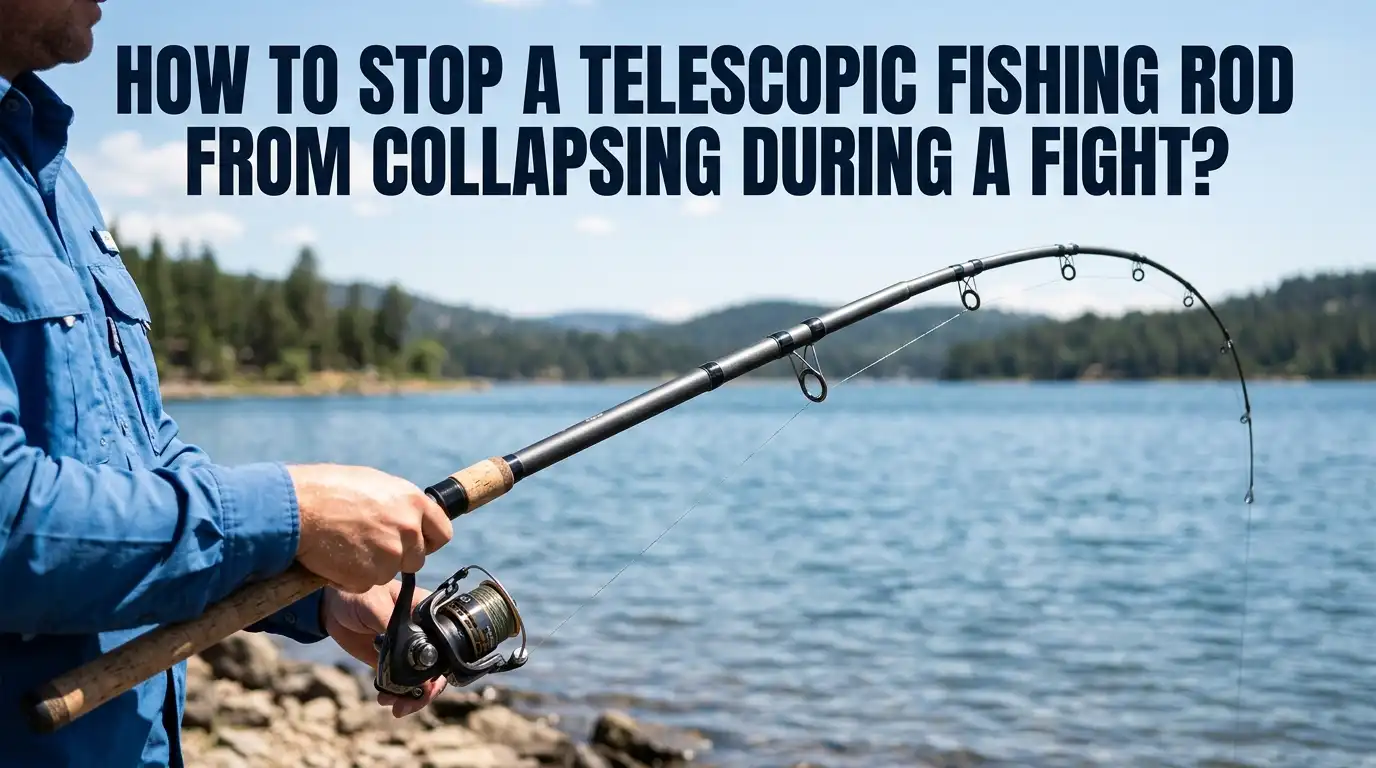
How to Stop a Telescopic Fishing Rod From Collapsing During a Fight?
Few things ruin a great fishing day faster than a telescopic rod that snaps shut while a fish pulls hard on the other end. One moment you feel the strike.
The next moment the sections slide together and your leverage is gone. The fish wins. You lose tackle, time, and pride.
The good news is simple. Telescopic rod collapse is almost always preventable. You just need to understand why it happens and apply the right fixes before the next cast.
This guide walks you through clear steps, hands on solutions, and smart habits that keep every section locked tight when the fight gets real.
In a Nutshell
- Friction is everything. Telescopic rods stay extended because of the friction between the joints. If the joints are dirty, wet with the wrong residue, or worn down, they will slip under load. Clean joints and dry surfaces are your first line of defense.
- Extend each section with a firm twist. A quarter turn twist while pulling each section out locks the ferrules together. Pulling straight without that twist is the number one reason rods collapse during a fight.
- Match the rod to the fish. Telescopic rods have weight ratings. Fighting a fish heavier than the rated line class puts extreme pressure on the joints and forces collapse. Always check the rating before you cast.
- Maintenance beats panic. A rod that gets rinsed, dried, and waxed after every trip will outlast and outperform a neglected one. Salt, sand, and grime are the silent killers of telescopic ferrules.
- Fight the fish with technique, not muscle. Keep the rod tip up, use the reel drag properly, and avoid jerky vertical pumps. Smooth pressure keeps the joints engaged. Rough pressure breaks the seal.
- Carry a backup plan. Tape, rosin, or a small bottle of joint wax in your tackle box can rescue a slipping section in seconds.
Why Telescopic Fishing Rods Collapse During a Fight
A telescopic rod stays open because each section grips the next one through pressure friction. There is no screw, no clip, and no pin holding things in place. When that friction fails, the rod folds in on itself.
Three main causes drive the collapse. First, the angler did not extend the sections fully and twist them tight. Second, dirt, salt, or moisture ruined the grip surface inside the ferrules. Third, the fish put more force on the rod than the joints could handle.
Understanding the cause helps you choose the right fix. A rod that collapses because of dirt needs cleaning. A rod that collapses because of poor extension needs better technique. Diagnose first, then act.
Extend Each Section With the Correct Twist Lock Method
The fastest way to stop collapse is to extend the rod the right way every single time. Start at the butt end and pull out the next section in a smooth motion. As you pull, give it a small clockwise twist of about one eighth to one quarter turn.
That twist wedges the ferrule walls together and creates a tight seal. Repeat the process from the bottom to the tip. Never extend from the tip down because the thin sections can crack under pressure.
Pros of the twist lock method: It costs nothing, works on every brand, and takes seconds.
Cons: Over twisting can jam the sections together so tightly you struggle to close them later. Use a firm but gentle hand.
Keep the Ferrules Clean and Free From Sand
Sand and salt are the enemies of every telescopic rod. A single grain of sand inside a ferrule can scratch the gripping surface and reduce friction permanently. Once the friction drops, the rod will collapse under any real load.
After every trip, wipe each section down with a damp cloth and then a dry one. Pay extra attention to the joints. If you fish in saltwater, rinse the rod with fresh water before storage.
Pros of routine cleaning: Protects the rod for years, costs almost nothing, and improves performance.
Cons: Takes a few minutes after every outing, and skipping it even once can cause real damage. Make it a habit, not an afterthought.
Apply Joint Wax or Rosin for Extra Grip
When ferrules feel slick and slip easily, a touch of ferrule wax or violin rosin can restore grip in seconds. Both products add a thin sticky layer that boosts friction without gluing the sections together.
To apply, pull the section out, rub a small amount of wax around the male ferrule, then slide it back in and twist gently. Do not use household candle wax because it leaves uneven chunks and can melt in heat.
Pros: Quick fix that works on the water, lasts several trips, and is affordable.
Cons: Too much wax causes buildup and can lock joints permanently. Apply a thin layer only, and reapply after every few trips rather than piling it on.
Match the Rod’s Power Rating to Your Target Fish
A telescopic rod has limits. If the line rating says eight to seventeen pounds and you hook a fish pulling thirty, the joints will give up before the line does. Power ratings exist for a reason. Read them, respect them, and match your gear to your target.
For surf casting, choose a heavy telescopic with thicker sections. For pond bass, a medium light is fine. For pier fishing where big fish swim by, lean toward heavy power.
Pros: Choosing the right rating prevents most collapse problems and protects your investment.
Cons: You may need more than one telescopic rod for different conditions. That can cost more upfront, but it saves money on broken gear over time.
Use a Smooth Drag Setting Instead of Locking Down
A locked drag forces every pound of fish weight directly onto the rod blank and ferrules. A smooth, properly set drag lets line slip out under heavy pressure and reduces the strain on the joints.
Set the drag to about one third of your line’s breaking strength. Test it by pulling line off the reel by hand. The line should slip with steady, even resistance.
Pros of a balanced drag: Protects the rod, the line, and the fish. Reduces collapse risk dramatically during long fights.
Cons: A loose drag can let big fish run too far into structure. You need to find the sweet spot through practice. Tweak it on smaller fish before the trophy hits.
Fight Fish at the Right Rod Angle
Holding the rod straight up at twelve o’clock during a fight puts vertical compression on every ferrule. That compression is what causes most collapse incidents. Instead, hold the rod at about a forty five degree angle.
This angle lets the blank flex along its length, spreading the load across the rod rather than driving it down into the joints. It also gives you better leverage to tire the fish.
Pros: Saves the rod, tires the fish faster, and improves your hookset rate.
Cons: Takes practice to feel natural, especially for new anglers used to high stick fighting. Once it becomes habit, it works for every type of fishing.
Inspect the Ferrules for Wear and Cracks Before Every Trip
A worn ferrule will collapse no matter how well you extend the rod. Before each outing, look closely at every joint. Run your finger inside the female section. Check the male section for shiny worn spots or hairline cracks.
If you see damage, address it immediately. Small cracks can sometimes be reinforced with thread wrap and rod finish. Heavy wear means the rod needs retirement or professional repair.
Pros of regular inspection: Catches problems before they ruin a fishing trip and keeps you safe from sudden rod failure.
Cons: Takes a few extra minutes, and some anglers ignore small issues until they become big ones. Build a quick checklist and stick to it.
Add Friction Tape as an Emergency Fix on the Water
If a section starts slipping while you are out fishing, thin friction tape or even electrical tape wrapped around the male ferrule can save the day. One or two careful wraps add just enough thickness to restore the grip.
Keep a small roll of tape in your tackle box at all times. When trouble strikes, collapse the rod, wrap the slipping joint, and reextend.
Pros: Cheap, fast, and works even in rain or wind. Saves a fishing day from being a total loss.
Cons: It is a temporary fix. Tape residue can build up and damage the ferrule over time. Remove the tape and clean the joint properly when you get home.
Avoid Hard Hooksets That Shock the Rod
A violent hookset sends a shockwave down the rod and into the ferrules. That shock can break the joint seal in an instant and cause collapse on the very next pull. Use a smooth sweeping hookset instead.
Lift the rod with a steady motion when you feel the bite. The reel and the rod’s natural action will set the hook without violence. This is especially important for braid users, since braid has zero stretch and amplifies every jerk.
Pros: Smoother hooksets land more fish and protect the rod at the same time.
Cons: Some species, like big saltwater predators with hard mouths, do need firm hooksets. Adjust your technique to match the species while staying as smooth as possible.
Store and Transport the Rod the Smart Way
Improper storage shortens the life of any telescopic rod. Heat warps the blank and dries out the joint surfaces. Cold cracks the finish and stiffens the ferrules. Both lead to collapse problems on the water.
Store the rod indoors at room temperature, fully collapsed, in a padded sleeve or hard case. Avoid leaving it in a hot car, a freezing garage, or a damp basement.
Pros of smart storage: Extends the rod’s life by years and keeps it ready for every season.
Cons: Requires a dedicated storage spot at home, which can be a hassle if space is tight. A simple wall mount or under bed sleeve solves the problem cheaply.
Upgrade to a Higher Quality Telescopic Rod If Yours Keeps Failing
Sometimes the rod itself is the problem. Cheap telescopic rods often use thin walled blanks and loose ferrules that simply cannot hold up during real fights. If you have tried every fix and still see collapse, the rod may have reached its limits.
Look for rods with reinforced ferrule sections, graphite or carbon construction, and clear power ratings. Read reviews from anglers who target the same species you do.
Pros of upgrading: Solves the collapse problem permanently and gives better casting performance overall.
Cons: Higher cost upfront, and even good rods need maintenance. The investment usually pays off after one or two saved trips with quality fish landed.
Practice Proper Rod Handling at Home Before You Fish
Most collapse incidents happen because the angler is rushed or distracted. Practice extending, twisting, and collapsing your rod at home until the motions feel automatic. Do this in your living room with no fish on the line and no pressure.
Try simulating a fight by gently bending the rod against a soft surface. Notice how the joints feel. If anything slips, adjust your technique or apply wax before the real fishing day.
Pros: Builds muscle memory, catches problems early, and boosts confidence on the water.
Cons: Takes time that some anglers would rather spend fishing. Even ten minutes of home practice pays off in landed fish and saved gear.
FAQs
Why does my telescopic rod keep collapsing even after I extend it fully?
The most common cause is a slick or dirty ferrule. Clean each joint with a soft cloth, dry it completely, and apply a small amount of ferrule wax. Always twist each section a quarter turn as you extend it.
Can I use WD40 on a telescopic fishing rod ferrule?
WD40 is fine for freeing a stuck section, but never leave it on the joint surfaces. Oil reduces friction and increases collapse risk. Wipe the joints clean and dry after using any penetrating spray.
How tight should I twist the sections when extending the rod?
A gentle one eighth to one quarter turn is enough. Over twisting can lock the sections so tightly that you cannot collapse the rod later. Firm pressure with a small twist is the sweet spot.
Will a telescopic rod hold up against big saltwater fish?
A heavy power telescopic rod with a proper line rating can land sizable saltwater fish. Match the rod to the species, set the drag correctly, and keep the rod angle around forty five degrees during the fight.
How often should I clean and inspect my telescopic rod?
Rinse and wipe the rod after every trip, especially in saltwater. Do a full inspection of the ferrules and guides at least once a month during fishing season, and before any major outing.
Is tape a permanent fix for a slipping ferrule?
No. Tape is an emergency on water solution only. Remove it after the trip, clean the joint properly, and consider applying ferrule wax or replacing the rod if wear is severe.

Hi, I’m Ivy Webb, the passionate angler and creator behind BaitHookVault.com. I spend my days out on the water personally testing and reviewing a wide variety of fishing tools and gear.