YakAttack BlackPak Pro 13×16 Crate Review: Value for Money?
If you paddle a kayak, you know how quickly gear can get messy. The YakAttack BlackPak Pro 13×16 Crate is built to fix that problem. It gives your kayak a clean and organized storage spot.
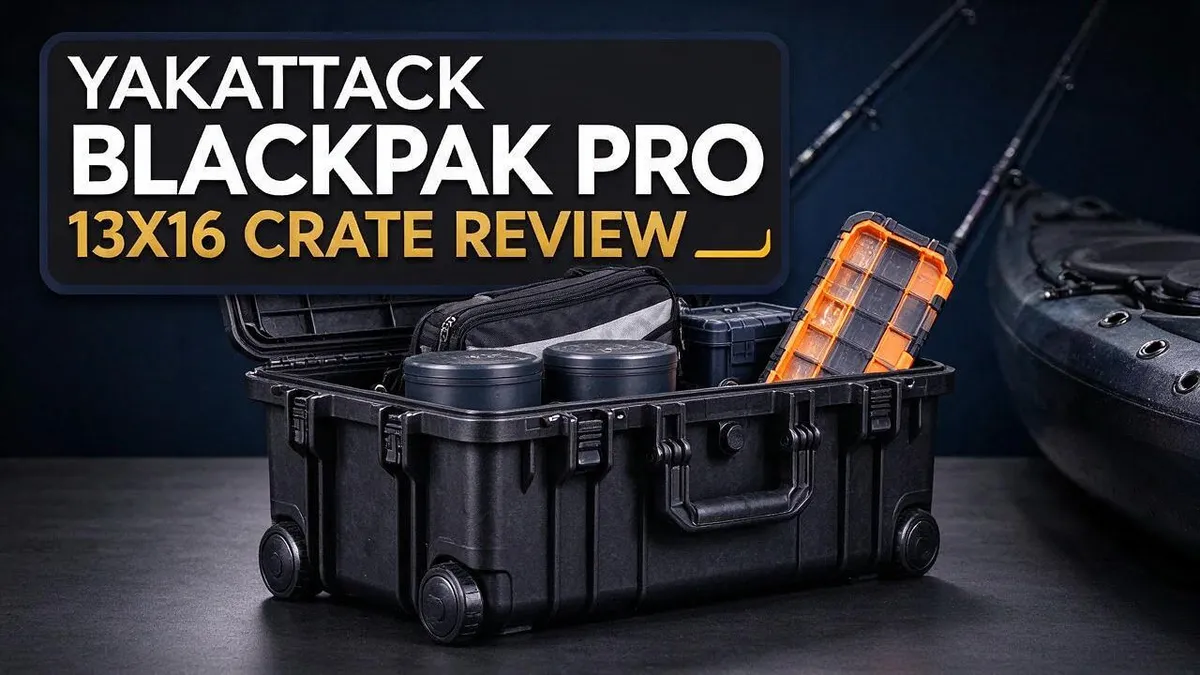
This hard sided crate has a hinged lid and GridLoc mounting panels. You can rig it in many ways to fit your setup. It also weighs about 7.6 lbs, which is roughly 25% lighter than the original 13×16 classic.
Many owners say there is plenty of room for their gear. The lid closes over 3700 size tackle boxes placed lengthwise. The rubber feet also stop sliding on wet decks, so your crate stays put.
Keep reading to see if this crate fits your paddling trips. We will cover the features, the pros, the drawbacks, and who should buy it.
In a Nutshell
-
Weight matters most: At 7.6 lbs, this crate feels light in your hands. It is about 25 percent lighter than the original 13×16 classic, so carrying it to shore or across a portage takes less effort.
-
Rigging freedom: You can rig this crate in many ways on your kayak. Its modular design lets you change the setup as your gear list grows or as your trips shift from short day paddles to multi-day adventures.
-
Tackle box friendly: The lid closes over 3700 size tackle boxes placed lengthwise. Anglers keep lures, lines, and pliers close at hand without digging through loose bags.
-
Simple cleanup: Stainless hardware stays clean with a rinse. After a day of salt spray or muddy launches, you spend less time scrubbing and more time on the water.
-
Stable on wet decks: Rubber feet stop sliding on wet decks. Your crate stays in place even when waves splash over the bow.
-
Assembly takes patience: Setup is not the easiest part of owning this crate. Set aside extra time before your first trip so you can fit everything properly.
Build and Materials

Last update on 2026-11-19 / Affiliate links / Images from Amazon Product Advertising API
Build quality matters more than many paddlers expect. Your gear faces bumps, waves, and rough launches on every trip. A sturdy build gives you peace of mind on the water.
The hard shell body sets this crate apart from soft bags. It holds its shape when you stack heavier items inside. That shape helps your gear stay in place during choppy rides.
The lid deserves a closer look. It dampens sound when it closes, so you hear fewer rattles on quiet morning paddles. Sound control can make a bigger difference than you might think.
Weight shapes how a crate feels on your deck. This model runs about 25 percent lighter than the original 13×16 classic. Lighter gear means easier loading and less strain when you carry it to the shore.
Many paddlers still compare this crate with milk crates. Milk crates are the common alternative, and they stay open and simple. This crate offers solid walls and a lid, so your gear stays covered from spray and sun.
The GridLoc panels play a key role in the build. They give you extra mounting surfaces for straps and accessories. You can position items where they make the most sense for your kayak.
Good construction also depends on how well the parts hold together over time. Check the seams, the lid, and the panels after long seasons. A quick inspection helps you spot early wear before it causes trouble.
Take care of the crate after saltwater trips. Rinse off grit and dry the shell before storage. Simple habits keep the materials looking fresh and working well for years.
Overall, the build feels practical and thoughtful. It suits paddlers who want protection, organization, and a solid base for their gear. Your next trip starts with a crate that can handle the work.
Storage Capacity and Tackle Box Fit
Storage space shapes how much you enjoy the water. A crowded deck makes every launch feel slower. This crate gives you a clear plan for packing.
Start by sorting your gear into three groups. Keep safety items in one group. Keep fishing tools in another. Put snacks and extra clothes in the last group.
Dry bags work well inside the crate. They keep small items from rolling around. A simple roll top bag does the job well. Wet gear stays separate from dry gear, so nothing soaks your spare layer.
Think about weight placement too. Heavy items belong low and near the center. This keeps your kayak balanced and steady when waves hit.
Fitting a tackle box takes a bit of planning. Test the lid before you head out. Make sure it closes fully with your gear inside.
Leave a little room for growth. You may add a new lure or a spare line later. A packed crate becomes hard to close after a few trips.
Check the lid after each packing session. A lid that does not close can let spray in. It can also rattle loose during a long paddle.
Many paddlers use the open top for quick access. Snacks, sunscreen, and a phone case sit within reach. You never need to dig through the whole load.
Some paddlers also pack a small emergency pouch. It holds a whistle, a light, and a few bandages. Keeping it near the top saves time in an emergency.
Good packing takes a few practice runs. Try a short trip close to shore first. You will learn which items you use most often.
Plan your gear in a simple layout. Write it down once and repeat it on every trip. Your routine becomes faster and less stressful over time.
Your storage plan shapes how each trip feels. Pack with purpose, and you will spend more time enjoying the water.
Mounting and Rigging Flexibility
Mounting a crate should feel simple, and this model gives you plenty of options. Your kayak layout decides where the crate fits best.
Start by checking the deck space behind your seat. A spot near your hands keeps frequent items within easy reach.
Think about your paddling style before you pick a spot. Anglers often want quick access, while cruisers may prefer a clean and open deck.
Leave clear space for your paddle. A crate placed too far forward or back can block your stroke or your footing.
Test your setup on dry land first. Sit in your kayak, reach for the crate, and confirm that the lid opens without bumping your knees.
Your hull shape also changes the fit. Some decks curve sharply, so the crate may need a flatter section for a secure position. Smooth plastic may need extra padding under the straps, while textured decks often hold tight with less effort.
Weight balance matters more than most paddlers guess. Place heavier gear low and near the centerline. This keeps your boat steady in wind and chop.
Consider how you will move the crate on and off the water, too. A position you can lift easily saves your back on busy launch days.
Many paddlers also plan for extras. A small rod holder, a camera mount, or a dry bag clip can share the same deck space if you plan the layout first.
Loose straps can shift the crate. A quick tug test after loading keeps your gear secure before you push off.
Good mounting saves time on every trip. A clear plan means you spend less time fussing at the launch and more time paddling. Before you finish, write down your final setup. A photo on your phone makes it easy to repeat the same layout next season.
Top 3 Alternatives
Thule Motion XT


Last update on 2026-11-19 / Affiliate links / Images from Amazon Product Advertising API
The Thule Motion XT is a popular rooftop cargo box for families. It has a smooth shape and a strong shell. It fits many roof racks, so most drivers can mount it with ease. Many people like its lock because it keeps gear safe at rest stops.
Tip: Check your roof rack width before you buy.
Yakima SkyBox 16

Last update on 2026-11-19 / Affiliate links / Images from Amazon Product Advertising API
The Yakima SkyBox 16 gives you plenty of room for gear. Its 16 cubic foot size fits skis, bags, and camping items. It opens from both sides, so you can load from either side of the car. The box handles rain, snow, and road dust well.
Thule Force XT

Last update on 2026-11-19 / Affiliate links / Images from Amazon Product Advertising API
The Thule Force XT is a strong choice for weekend trips. Its sleek design helps reduce wind noise at highway speeds. Choose a size that matches how much gear you carry. The secure latch keeps your items in place on bumpy roads.
Weight and Portability
The BlackPak Pro weighs 7.6 lbs. That is about 25 percent lighter than the original 13×16 classic. You will notice that difference when you carry it.
Carrying the crate from your car to the shoreline is the first real test. Many paddlers make this trip with a full load of gear. A lighter shell means fewer stops along the way.
Lifting the crate onto a roof rack gets easier with a lighter build. You can often lift it alone. This saves time at the boat ramp.
Think about your own strength and reach. A shorter person may find the lift harder than expected. Test the lift with the crate empty first, then with your normal gear.
Weight changes once you pack the crate. A tackle box and dry bags can add a real load. Heavy items like spare batteries or tools add pounds quickly. Plan for the packed weight, not just the empty weight.
Dry land practice helps more than you might think. Practice lifting the crate at home before your first launch. Walk with it for a few steps to feel the grip and balance.
Grip matters as much as weight. Look for a comfortable spot to hold the crate. A secure grip keeps it steady on uneven ground near the water.
Wet conditions change the lift, too. A rinsed crate can feel slippery in your hands. Dry your hands before you pick it up.
Storage spots matter for portability. A garage shelf or a truck bed works well if the height feels comfortable. Set the crate on a towel or mat when you put it down. This protects the shell from scuffs on hard concrete.
Overall, the light build makes portability a real strength. It suits solo paddlers who load and unload alone. It also helps families who share the carrying work.
Cleaning and Maintenance
Keeping your crate clean takes only a few minutes after each outing. Salt, sand, and mud collect in corners and seams over time. A simple routine keeps the crate in good shape for many seasons.
Start with a fresh water rinse. Hose the crate down after every trip, even if it looks clean. This step removes grit before it can scratch the surface. It also washes away salt that can dry on the frame.
The stainless hardware is an easy win. A rinse keeps the clips and bolts looking bright. Dry them with a soft cloth so spots do not form.
Next, check the rubber feet. Pull out any small stones or bits of debris stuck underneath. Clean feet grip the deck better on wet surfaces, so this small step matters for safety on the water.
Use mild soap for stubborn grime. Mix a few drops of dish soap in warm water. Scrub with a soft brush or sponge. Avoid harsh solvents, because they can dull the finish and weaken plastic over time.
Pay attention to the hinges and lid seal too. Wipe the hinge area with a damp cloth. Brush sand from the lid edges so it closes firmly.
Let it dry completely. Stand the crate upright in the shade. Trapped water can lead to a musty smell inside. Leave the lid open for a while so air can move through.
Store it out of direct sun. Long hours of heat can fade color and stress the plastic. Pick a cool, dry spot for storage between trips. A covered area works well.
Once a season, give the crate a closer look. Tighten any loose bolts and check the mounting panels for wear. Replace worn parts early so the crate stays secure.
A little care goes a long way. Clean gear lasts longer and performs better on every paddle.
Pros and Cons
Pros
– Keeps tackle boxes neatly organized on deck
– The hinged lid helps dampen noise on the water
– Most owners find plenty of room for their gear
– Modular panels let you rig the crate your way
– Fits 3700 size tackle boxes placed lengthwise
Cons
– Assembly takes more time than a simple milk crate
– Larger tackle boxes may not fit the layout
– Rigging options add extra steps for first time users
– Quality parts need careful handling during setup
Who Should Buy It
Kayak anglers are the best fit for this crate. They carry hooks, lures, pliers, and spare line on every trip. A dedicated crate keeps those items within easy reach.
Paddlers who want a clean deck will also appreciate it. Loose gear can slide around and disappear over the side. This crate gives each item a fixed, organized spot.
Weekend adventurers with growing packing lists should take a close look. If your gear collection expands each season, the modular layout can adapt. You can add or move panels as your needs change.
Milk crate users who want an upgrade fit here too. Many paddlers start with a basic crate and then hit its limits. This option offers a more organized and secure setup for daily use.
Solo paddlers may find it especially helpful. Without a partner to grab forgotten items, every tool needs a reliable home. A hinged lid keeps gear covered when you drift between fishing spots.
Casual paddlers may not need it. Someone who brings only a water bottle, a paddle, and a phone can rely on a simple dry bag. Save this crate for people who truly use their deck space.
Anglers who run large tackle systems should measure first. Compare your box dimensions with the layout before you commit. A quick check prevents frustration on the water and keeps your setup clean.
Groups that paddle together can also benefit. Each person can rig a crate to match their own style. Trip planning becomes easier when every crate has a clear purpose, and shared outings feel smoother when everyone knows where their gear belongs.
In short, this crate suits paddlers who value order and flexibility. If you enjoy customizing your kayak and keeping essentials close, it earns a place on your deck.
Final Verdict
Final thoughts on the YakAttack BlackPak Pro 13×16 are positive overall. It turns a messy deck into an organized workspace. Many paddlers will notice the difference on their very first trip.
Gear stays within reach. Tackle no longer slides around or hides under bungee cords. Hooks, pliers, and spare line sit where you can grab them fast. That saves time on the water and keeps your focus on fishing.
Safety gets a boost too. A secured crate keeps small items from rolling into the water. Loose gear can also tangle a paddle or snag a fishing line. A fixed, organized setup reduces those risks during busy moments on the water.
The weight tradeoff makes sense. At 7.6 lbs, the crate feels lighter than the original classic model. That easier build helps when you carry your kayak from the car to the launch point. Less strain makes every outing more pleasant.
Growth is built in. Your gear list will likely change over time. New lures, extra rods, or a larger tackle box can fit into the plan. The modular panels adapt as your needs grow, so you rarely need to start over.
The crate does ask for some patience. Setup takes time, and first timers should read the instructions carefully. Still, the rigging options reward that effort with a deck that works the way you want it to.
Our recommendation is clear. Kayak anglers with growing gear lists should seriously consider this crate. Milk crate users who want a cleaner and more flexible option will also be happy here. Paddlers who need only a few basic items may prefer a simpler setup.
Overall, the BlackPak Pro 13×16 brings order, flexibility, and safety to the kayak deck. It takes some setup, but the payoff lasts through many seasons on the water. For the right paddler, it is a smart choice that keeps every trip organized and ready to go.
Frequently Asked Questions
Will the crate slide around on a wet deck?
No, the rubber feet stop sliding. They keep the crate in place even when the deck gets wet. Your gear stays put while you paddle.
Does the stainless hardware need special care?
The stainless hardware stays clean with a simple rinse. You do not need special cleaners. A quick rinse after your trip keeps grime from building up.
Can the crate hold items other than tackle?
Yes, it works for more than fishing gear. Small safety items like a whistle, a first aid pouch, or a spare headlamp fit well alongside your tackle boxes. Just plan the layout before you load it.
Is this crate a good choice for a beginner?
It can be, with a little patience. Read through the setup steps once before you start. Take your time with the parts, and the process goes much smoother.

Hi, I’m Ivy Webb, the passionate angler and creator behind BaitHookVault.com. I spend my days out on the water personally testing and reviewing a wide variety of fishing tools and gear.