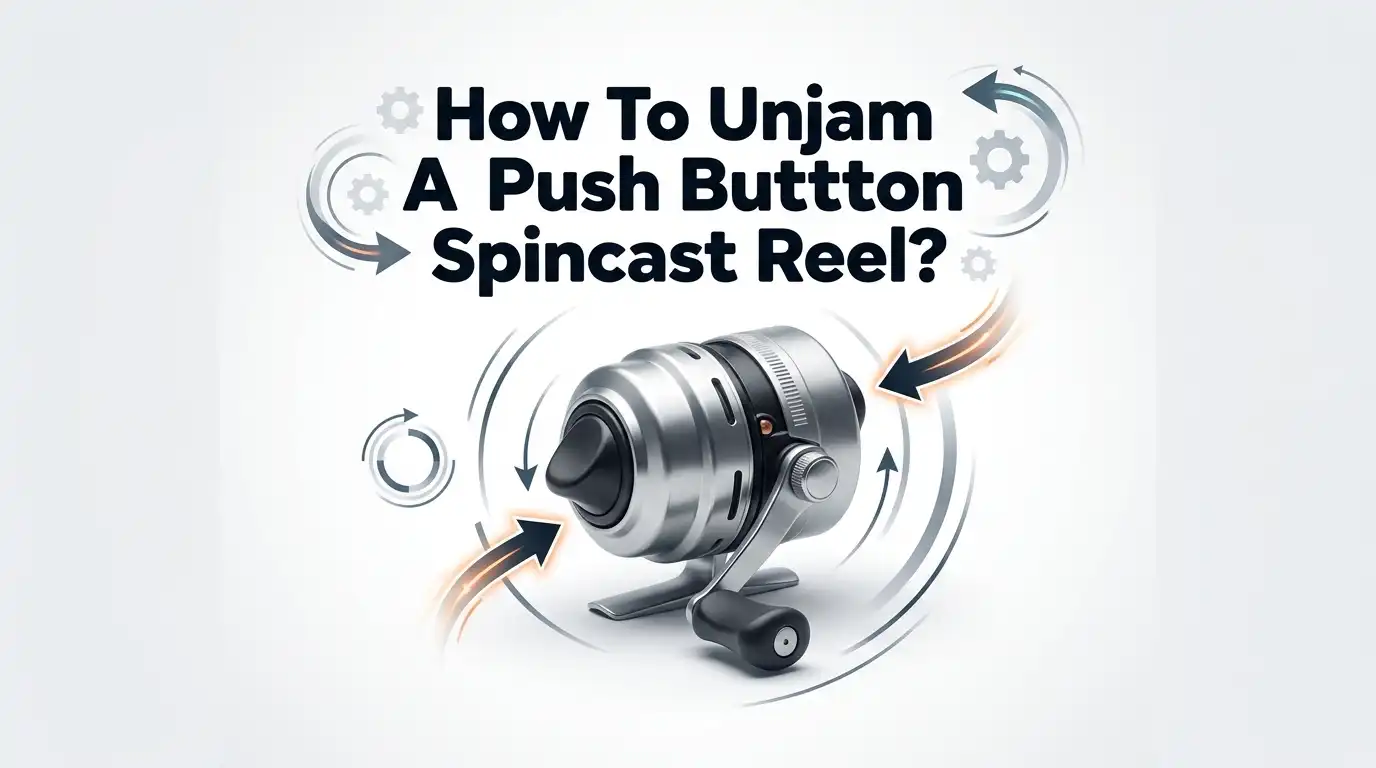
How To Unjam A Push Button Spincast Reel?
A jammed push button spincast reel can stop your fishing day fast. You press the button, and nothing happens. The line will not come out. The handle feels stuck. The button stays down.
This is a common problem, and the good news is that you can fix most jams yourself. You do not need a repair shop for the simple stuff. You just need a little patience and a few basic tools.
This guide walks you through every cause and every fix in plain steps. You will learn how to open the reel, clear tangled line, clean the parts, and stop jams before they happen again. Let us get your reel working and get you back on the water.
In a Nutshell:
- Most jams come from tangled line behind the spinnerhead. Open the front cover and untangle or remove the bad line first.
- A stuck button often means a broken or bent spring inside the reel. You can bend a small spring back, but a fully broken one needs a replacement part.
- Dirty or dry gears cause rough turning and locking. A good clean and fresh lubrication fixes this in most cases.
- Wrong line type jams reels fast. Braided line and line that is too heavy often do not work well with push button reels. Stick with the right size monofilament.
- Overfilling the spool creates jams. Always keep your line about one eighth of an inch below the top lip of the spool.
- Regular cleaning prevents most problems. Rinse after saltwater use, and service the reel at least once a year for steady performance.
Why Push Button Spincast Reels Jam In The First Place
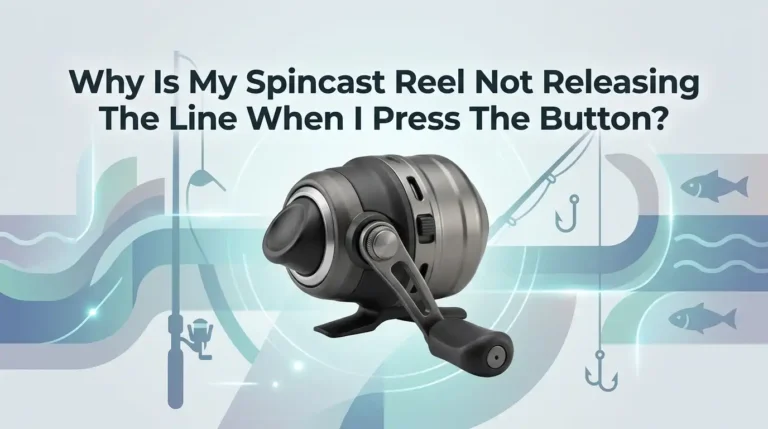
A spincast reel works with a closed cover, a spinnerhead, a spool, and a button. When you press the button, the line releases.
When you turn the handle, the spinnerhead picks the line back up. A jam happens when one of these parts stops moving the right way. The most common cause is tangled line trapped behind the spinnerhead.
Other causes include dry gears, broken springs, dirt inside the body, and the wrong line type. Knowing the cause helps you pick the right fix.
A reel that will not cast has a different problem than a reel that will not pick up line. So your first job is to find out what is wrong before you start taking parts apart.
Tools You Need Before You Start
You do not need many tools to unjam a spincast reel. Most fixes use simple items you likely have at home. Gather these before you begin so you do not stop halfway. You will want a small Phillips screwdriver, a small flathead screwdriver, and a clean cloth.
You will also need reel oil and reel grease, a pair of scissors or line cutters, and a spool of fresh line in the correct size. A cotton swab helps you clean tight spots. A small bowl holds tiny parts so they do not roll away.
Working over a towel keeps screws and springs from getting lost. Good light matters too, since the parts inside are small. Having everything ready makes the whole job faster and far less frustrating.
How To Open The Front Cover Safely
The front cover holds the line and protects the spinnerhead. You must remove it to reach most jams. Most spincast reels use one of two cover types. Threaded covers turn counterclockwise until they come fully off. Bayonet covers turn counterclockwise until they click, then you pull them toward the rod tip.
Hold the reel body firmly with one hand. Turn slowly so you do not strip the threads or crack the plastic. If the cover feels stuck, do not force it hard. A little gentle pressure works better than brute strength.
Once the cover is off, set it down carefully. Look inside right away for tangled line or trapped debris. This first look often shows you the exact cause of the jam. Keep the cover clean while it sits aside.
Pros: opening the cover gives you direct access and fixes most jams. Cons: over tightening on reassembly can crack the cover later, so be gentle.
Step By Step: Clearing Tangled Line Behind The Spinnerhead
Tangled line is the number one cause of a jammed spincast reel. The line bunches up behind the spinnerhead and locks everything in place. Start by removing the front cover using the steps above. Now you can see the spinnerhead and the line wrapped around it.
Hold the handle to stop it from turning. Turn the spinnerhead counterclockwise until it unthreads and comes off. This opens up the spool area. Gently pull the tangled line free with your fingers. Work slowly so you do not snap good line into the body.
Cut away any line with kinks, knots, or rough spots. Damaged line will jam again right away. Once the area is clear, thread fresh line back through and reattach the parts.
Pros: this fix is free and solves the most common jam. Cons: it takes patience, and badly tangled line may need full removal and respooling.
What To Do When The Button Stays Stuck Down
A button that stays pressed down points to a spring problem inside the reel. The thumb button uses a small spring to pop back up after each cast. When that spring bends or breaks, the button gets stuck. This stops the reel from working at all.
To check it, remove the back cover. On older reels you grip the body and turn it counterclockwise. On newer reels you gently pry the back cover with a small screwdriver until it pops off. Now look at the thumb button spring inside.
If the spring is only bent, carefully bend it back to its original shape with your fingers or pliers. If the spring is fully broken, you need a new thumb button or back cover part. The button hinge ears can also break and cause the same issue.
Pros: bending a spring back is quick and costs nothing. Cons: broken springs and hinge ears need replacement parts and more skill.
How To Fix A Reel That Will Not Pick Up Line
Sometimes the button works, but the reel will not wind line back onto the spool. This points to the spinnerhead pickup arms. These small arms grab the line as you turn the handle. When they are dry, dirty, or broken, they fail to catch the line.
First, try a simple test. Lightly pull the line with your fingers while you turn the handle. This adds tension and often helps the pickup arms grab. If that works, you may just need more tension during retrieval.
If it still fails, remove the spinnerhead and look at the pickup arms on the bottom side. Clean off old grease and dirt, then add fresh lubrication. If the spinnerhead spring is missing or broken, you need to replace the whole spinnerhead assembly.
Pros: cleaning and oiling the pickup arms is cheap and fast. Cons: a broken spinnerhead spring means buying a new spinnerhead.
Cleaning Dirty Gears And Internal Parts
Dirt and old grease build up inside a reel over time. This makes the handle feel rough and can lock the gears completely. A full clean often brings a jammed reel back to life. Sand, salt, and grime are the usual troublemakers here.
Start by removing the front cover, spinnerhead, and spool. Wipe away old grease, dirt, and debris with a clean cloth and a cotton swab. Pay close attention to the gears, the mainshaft, and the crankshaft area. These spots collect the most gunk.
For a deep clean, you may need to take the whole reel apart. Clean each part, then dry it well before you put it back. Leftover moisture leads to rust and more jams down the road. Work over a towel so you do not lose small pieces.
Pros: cleaning restores smooth action and prevents future jams. Cons: full teardown takes time and care to reassemble correctly.
How To Lubricate Your Spincast Reel The Right Way
Fresh lubrication keeps every part moving smoothly. A dry reel jams, grinds, and wears out fast. Use oil for light moving parts and grease for gears. Never mix the two up, since the wrong choice can cause problems instead of fixing them.
Add a small drop of reel oil to the spinnerhead pickup arms and the crankshaft. Apply a thin layer of grease to the gears and the mainshaft. A little goes a long way here. Too much grease attracts dirt and creates new jams.
Turn the handle a few times after you add lubrication. This spreads it evenly across the parts. Wipe away any extra that squeezes out. Doing this every season keeps your reel running like new and stops most jams before they start.
Pros: proper lube prevents jams and extends reel life. Cons: over lubricating attracts grit and can make things worse.
Why The Wrong Line Causes Jams And How To Fix It
The line you use matters more than many anglers think. Push button spincast reels work best with the right size monofilament. Line that is too heavy will not flow smoothly through the small front cover hole. This causes jams and poor casting.
Braided line is another common problem. Many spincast reels do not work well with braid because it is thin and slippery. It digs into itself on the spool and creates bird nests behind the spinnerhead.
To fix this, remove the wrong line and respool with the line size printed on your reel. Check the reel body or manual for the correct pound test. Matching the line to the reel solves a surprising number of jamming problems and improves your casting distance too.
Pros: using the right line stops jams and helps casting. Cons: respooling takes time and a new spool of correct line.
How To Respool Your Reel To Stop Repeat Jams
Old, twisted, or overfilled line jams reels again and again. Fresh line fixes this. Start by mounting the reel on the rod and threading new line through the rod guides from the tip down. Remove the front cover next.
Thread the line through the cover hole and tie an arbor knot around the spool. Pull it tight. Reattach the cover and start winding the handle. Keep light tension on the line between your thumb and finger as it loads.
Fill the spool to about one eighth of an inch below the top lip. Do not overfill it, since that causes jams. Stop now and then to check for line twist. If you see twist, flip the supply spool over before you keep loading.
Pros: fresh line ends repeat jams and improves performance. Cons: you must buy new line and spend a few minutes loading it.
Common Mistakes That Make Jams Worse
Some habits cause more harm than the jam itself. Forcing a stuck cover is the biggest mistake. Too much force cracks plastic and strips threads. This turns a simple fix into a costly repair. Always turn slowly and gently.
Over tightening the covers during reassembly is another common error. Tight covers can break internal parts and crack the body. Snug is enough. Skipping cleaning is also a trap. Dirt builds up and creates new jams within weeks.
Using too much grease feels helpful but backfires. Extra grease grabs sand and grit, which jams the gears. Pulling tangled line hard instead of slowly will snap it deeper into the reel. Slow, gentle work always beats rushing through the repair.
Pros: avoiding these mistakes saves money and time. Cons: old habits take focus to break, but the payoff is a longer lasting reel.
How To Prevent Future Jams And Keep Your Reel Smooth
Prevention beats repair every time. A little care keeps your reel jam free for years. Rinse your reel with fresh water after every saltwater trip. Salt is harsh and causes rust and sticking. A quick rinse stops this damage cold.
If you drop the reel in sand or dirt, clean and re lubricate it before your next cast. Sand grinds parts down fast. Loosen the drag after each trip so the washers do not stay pressed and worn.
Service the whole reel at least once a year, or more often if you fish a lot. Store it in a dry place away from heat. Check the line for wear before each trip and replace it when it gets old. These small habits prevent most jams completely.
Pros: simple care saves you money and trouble. Cons: it takes a few minutes of regular effort to keep up.
When To Repair It Yourself And When To Get Help
Most spincast jams are easy home fixes. Tangled line, dirty gears, dry parts, and bent springs all fall in the simple category. You can handle these with basic tools and patience. There is no need to pay anyone for these common problems.
Some issues need more help, though. Stripped gears, broken hinge ears, and damaged anti reverse parts often need replacement components. If you do not feel comfortable doing a full teardown, that is fine. Forcing a hard repair can break your reel.
Check your warranty before you decide. Many reels carry a one year warranty against defects. A service center can fix bigger problems for a small fee. Weigh the cost of repair against a new reel for older, low cost models.
Pros: home repair is free and builds your skill. Cons: deep mechanical damage may cost more than the reel is worth.
Frequently Asked Questions
Why does my spincast reel button get stuck after casting?
A stuck button usually means the thumb button spring is bent or broken. The spring should push the button back up after each cast. Open the back cover, check the spring, and bend it back into shape. If it is fully broken, replace the thumb button or back cover part.
Can I use braided line on a push button spincast reel?
Most spincast reels do not work well with braided line. Braid is thin and slippery, so it digs into itself and tangles behind the spinnerhead. This causes frequent jams. Stick with the monofilament size printed on your reel for the best and smoothest results.
How often should I clean my spincast reel?
Clean and service your reel at least once a year for normal use. If you fish often or use saltwater, clean it more frequently. Always rinse with fresh water after saltwater trips. If you drop the reel in sand or dirt, clean it before your next cast.
Why will my reel not pick up line when I reel in?
This points to the spinnerhead pickup arms. They may be dry, dirty, or worn. Try pulling the line lightly while you reel to add tension. If that fails, clean and lubricate the pickup arms. A missing or broken spinnerhead spring needs a full replacement.
How much line should I put on a spincast reel?
Fill the spool to about one eighth of an inch below the top lip. Overfilling causes jams and tangles. Underfilling hurts your casting distance. Keep light tension on the line as you wind it, and check now and then by removing the front cover.
Is it worth fixing an old spincast reel or should I replace it?
It depends on the problem and the reel value. Simple fixes like tangled line, cleaning, and lubrication are always worth doing. For stripped gears or major damage on a low cost reel, a new reel may cost about the same as parts and repair time.

Hi, I’m Ivy Webb, the passionate angler and creator behind BaitHookVault.com. I spend my days out on the water personally testing and reviewing a wide variety of fishing tools and gear.