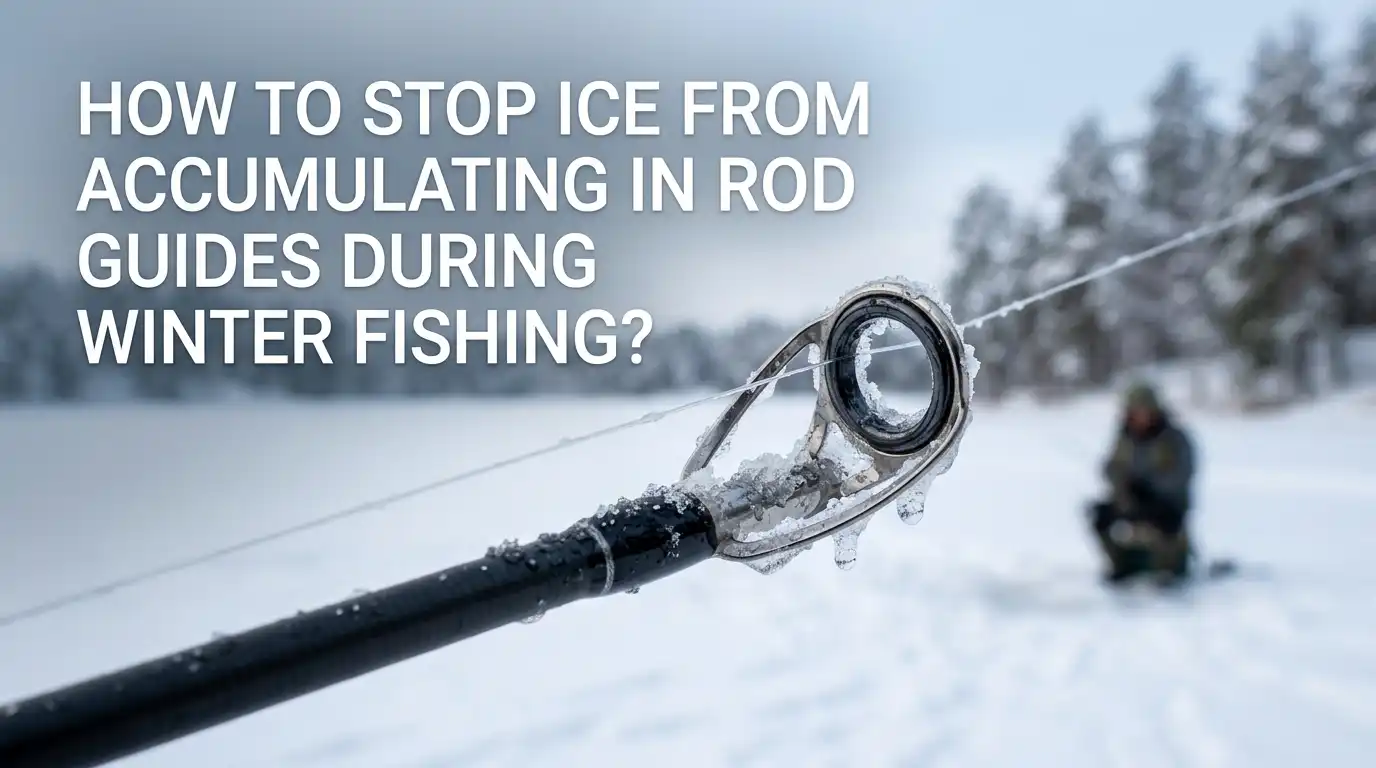
How to Stop Ice From Accumulating in Rod Guides During Winter Fishing?
Winter fishing rewards you with quiet waters, fewer crowds, and aggressive cold weather fish. But there is one frustrating problem every cold weather angler faces.
Ice keeps building up on your rod guides every few casts. Your line jams. Your casts shorten. Your fingers freeze trying to pick the ice off.
This blog post solves that exact problem. You will learn practical methods, simple home remedies, and gear upgrades that keep your guides clear. Each method below comes with clear steps, pros, and cons.
Key Takeaways
- Ice forms because water clings to your guides and line, then freezes in sub freezing air. Reducing water contact and adding a slick barrier solves most of the problem.
- Cooking spray, lip balm, ice off paste, and silicone line dressing are the most popular coatings anglers use. Each one creates a hydrophobic layer that pushes water away.
- Larger guides, ceramic inserts, and titanium guide rods dramatically reduce ice buildup. Upgrading your rod hardware is a long term fix.
- Casting technique, line choice, and weather timing play a huge role. A shorter casting style and a treated line slow down freezing.
- Keep a small towel, hot water flask, and de icer paste in your tackle bag. These small items save the day when ice still forms.
- Always pick food safe and rod safe products. Some sprays can damage cork handles, line coatings, or guide finishes over time.
Why Ice Builds Up on Rod Guides in the First Place
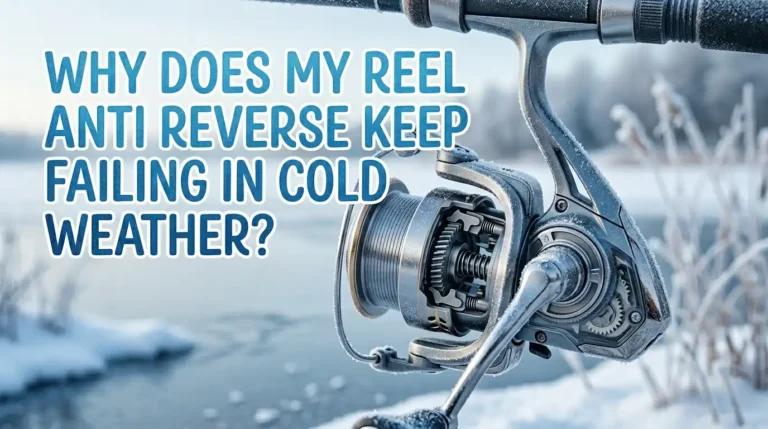
Ice forms on your guides because of three simple things: water, cold air, and surface tension. Every time your line moves through a guide, it carries tiny water droplets. The droplets cling to the small metal ring inside the guide.
When the air temperature drops below 32°F (0°C), those droplets freeze almost instantly. Each new cast adds more water, which freezes on top of the old ice. After a few minutes, the guide ring becomes a frozen tunnel.
Smaller guides freeze faster because they hold water tighter. Wind chill speeds things up even more. Once you understand this, the fixes below make much more sense.
Apply a Cooking Spray to Your Rod Guides
Cooking spray is one of the oldest and cheapest tricks in winter fishing. The oil coats the guide, blocks water from sticking, and slows freezing for several casts. Pam or any plain canola spray works fine.
Steps to use it correctly:
- Hold the rod horizontal over a towel.
- Spray a quick burst on each guide.
- Wipe off the extra oil with your finger.
- Reapply every 30 to 45 minutes.
Pros: Cheap, easy to find, works fast, and safe on most rod finishes.
Cons: It wears off quickly, leaves an oily residue on your line, and can attract dirt. Some sprays may also stain light colored cork handles if you spray too much.
Use Lip Balm or Chapstick on the Guides
Lip balm is a favorite among ice anglers for a good reason. The wax base creates a thick, slick barrier that lasts longer than oil sprays. Plain unflavored chapstick is the best pick.
Here is how to apply it:
- Warm the chapstick in your pocket for a few minutes.
- Rub it directly around the inside ring of each guide.
- Spin the tube so the wax coats the full circle.
- Reapply once you see ice forming again.
Pros: Long lasting, easy to carry, safe on guides and line, and very affordable.
Cons: Cold wax can be hard to spread, and scented balms may leave a smell that fish dislike. You also need to warm it first, which slows you down in extreme cold.
Try Stanley’s Ice Off Paste or Similar Products
Several brands make dedicated ice off pastes for fly and spin anglers. These products are specifically built to repel water from rod guides. They are usually the most effective option on the market.
The application is simple. Dab a small amount on your finger. Rub it around each guide ring. Let it sit for a few seconds before casting. One small tin can last an entire winter season.
Pros: Made for the job, lasts longer than household items, safe on all guide types, and includes UV protection in some formulas.
Cons: Costs more than DIY options, may be hard to find in small towns, and still needs reapplication every hour or two in heavy snow conditions.
Coat Your Guides With Silicone Line Dressing
Silicone line dressing is another trusted method, especially among fly anglers. It creates a very thin, water repelling layer on both the guides and the line itself. This double action makes it one of the smartest choices.
To apply, put a few drops on a soft cloth. Run the cloth along each guide and a few feet of your line. Wipe off the excess so it does not feel sticky. A small bottle lasts for many trips.
Pros: Treats both line and guides, long lasting, and improves casting distance even in warm weather.
Cons: Some silicone products can damage certain fly line coatings, so always check the label first. It is also slightly messier than wax based options.
Upgrade to a Rod With Larger Guides
Rod design matters more than most anglers realize. Rods built for ice fishing or winter use have larger guide rings. Bigger rings hold less water and freeze much slower than tiny standard guides.
If you fish often in cold weather, consider switching to a rod made for winter steelhead, salmon, or ice fishing. Look for guides with wide, open ceramic inserts. These let the line pass through without dragging water into a small ring.
Pros: A permanent fix, no daily maintenance, and the rod also casts better in warm weather.
Cons: Costs more upfront, and you may need a new rod just for winter trips. Some specialty rods also feel heavier in the hand.
Switch to Titanium or Stainless Steel Guides
Titanium and stainless steel guides handle cold much better than cheap aluminum frames. Titanium is lightweight, flexible, and resists icing more than other metals. Many custom ice rod builders use them for this exact reason.
If you already own a quality rod, you can have a rod builder replace the guides with titanium frames. This upgrade is permanent and pays off for years.
Pros: Excellent ice resistance, very strong, lightweight, and corrosion proof.
Cons: Custom guide installation is expensive, and you usually need a professional rod builder. Cheaper rods may not be worth the upgrade cost.
Dip Your Rod Tip in the Water Between Casts
This sounds strange, but it works. Water near the surface, even very cold water, is still warmer than the freezing air above it. Dipping your guides briefly melts the ice and resets your rod.
Steps to follow:
- Stop reeling once you see ice forming.
- Slowly dip the rod tip into the water.
- Move the rod side to side for a few seconds.
- Pull it out, shake off the drops, and cast again.
Pros: Free, instant, and works every time near open water.
Cons: Useless when fishing through an ice hole with no open water access. The freshly wet guides may also freeze faster after dipping if you do not cast quickly.
Treat Your Fishing Line With a Hydrophobic Coating
Your line carries water into the guides on every cast. If the line repels water, the guides freeze slower. Line conditioners and hydrophobic sprays solve this problem at the source.
Apply the treatment at home before your trip. Lay your line on a clean cloth, spray or rub the product along the length, and let it dry. Reapply every few trips for the best results.
Pros: Reduces ice on guides, improves casting distance, and extends line life.
Cons: Some treatments are made only for fly lines and may not work on braid or monofilament. Costs add up over a full season.
Use a Small Towel and Hot Water Flask
Sometimes prevention fails and you need to remove ice fast. A small towel and a flask of warm water are lifesavers. Many guides and serious winter anglers carry both in every trip.
To clear the ice, pour a small splash of warm water over the frozen guide. The ice melts in seconds. Then wipe the guide with the towel to remove leftover moisture.
Pros: Works instantly, no chemicals, and the warm water also keeps your hands functional.
Cons: The flask adds weight to your gear, and the warm water cools down within a few hours. Wet towels also freeze if you leave them in the cold for too long.
Adjust Your Casting Style for Cold Weather
Your casting technique adds water to the guides every time. Shorter, smoother casts move less water through the rings. Hard, whippy casts splash water and speed up ice buildup.
Try these small adjustments:
- Use shorter casts when possible.
- Keep the rod tip up between casts so water drips off.
- Avoid slapping the line on the water.
- Reel in slowly and smoothly.
Pros: Free, easy to learn, and improves your overall fishing technique.
Cons: Takes practice to break old habits, and shorter casts may not work in every fishing spot. Strong winds also force harder casts, which adds water back.
Fish During Warmer Parts of the Day
Timing your trip is a simple but powerful trick. Air temperatures rise in late morning and early afternoon. Even a few degrees can stop ice from forming on your guides.
Plan your trip between 10 AM and 3 PM during the coldest months. Sunny days warm up faster than cloudy ones, so check the forecast first. Fish are also more active when the water warms slightly during the day.
Pros: No gear changes needed, more comfortable fishing, and often better fish activity.
Cons: You miss the early morning bite, which can be the best window in some seasons. Short winter days also limit your total fishing time.
Build a Winter Fishing Kit With Backup Tools
A small dedicated winter kit saves every trip. Pack the right items once, and you will never get caught off guard again. This kit should travel with you in your tackle bag during every cold trip.
Recommended items to include:
- Ice off paste or chapstick.
- Small bottle of cooking spray.
- Microfiber towel.
- Hand warmers for fingers and rod handles.
- Insulated flask with warm water.
- Spare gloves and line conditioner.
Pros: Always prepared, covers every problem, and lasts the whole season.
Cons: Adds weight to your bag, and you must remember to refill items before each trip. Some products lose effect if they freeze in storage.
Frequently Asked Questions
Does WD 40 work to keep ice off rod guides?
WD 40 can repel water for a short time, but it is not recommended. It contains solvents that may damage your line coating, cork handles, and guide inserts. Stick with cooking spray, lip balm, or ice off paste instead. These options are safer and last longer on your gear.
Will my rod guides crack if ice builds up?
Ice itself rarely cracks guides, but pulling line through a frozen guide can damage the insert. Forcing a cast with iced guides puts pressure on the ceramic ring. Always melt the ice first by dipping the rod, applying warm water, or warming the guide with your hand.
Is petroleum jelly safe for fishing rod guides?
Yes, petroleum jelly is safe and works well. It creates a thick water repelling barrier similar to lip balm. Apply a thin layer around each guide and wipe off the excess. The downside is that it feels greasy and can pick up dirt or sand quickly.
How often should I reapply ice off products?
Most products last between 30 minutes and 2 hours depending on the temperature and conditions. Heavy snow, wind, and very low temperatures shorten the time between reapplications. Watch your guides closely. Reapply as soon as you see the first small ice crystals forming on the rings.
Can I use hand warmers on my rod guides?
Yes, hand warmers are excellent for warming frozen guides. Hold one against the iced guide for a few seconds to melt the buildup. Some anglers also tape a hand warmer to the rod blank near the reel seat. This keeps the lower guides slightly warmer throughout the trip.
What is the best long term fix for ice on rod guides?
The best long term fix is upgrading to a rod with large, ceramic, or titanium guides made for cold weather use. Combined with a treated line and good casting form, you will rarely face ice problems again. This costs more upfront but saves hours of frustration every winter season.

Hi, I’m Ivy Webb, the passionate angler and creator behind BaitHookVault.com. I spend my days out on the water personally testing and reviewing a wide variety of fishing tools and gear.