Daiwa Tatula TW 100 Baitcast Reel Review 2026: Worth It?
The Daiwa Tatula TW 100 sits in a crowded space. Dozens of baitcasters fight for your money around the $150 to $200 mark. Yet this reel keeps showing up on boat decks, in tournament bags, and in the hands of anglers who fish four days a week.
There is a reason for that. The Tatula name carries weight in bass fishing. Daiwa built the original Tatula as a workhorse, and the TW 100 shrank that platform into a palm sized package without stripping out the parts that mattered.
But a strong reputation does not guarantee a strong reel in 2026. The market moved fast. Digital braking got cheaper.
In A Nutshell:
- The T Wing System is the headline feature and it actually works. Line flows through a wide opening on the cast and drops into a narrow slot on retrieve. This cuts friction during release and adds real casting distance. You will feel the difference on your first dozen casts.
- Build quality punches above the price. The aluminum frame and side plate give the reel a tight, solid feel with almost no flex under load. Hyperdrive Design components in current models improve gear durability and keep the retrieve smooth after heavy seasons.
- Weight and palm feel are excellent. At roughly 6.9 ounces with a compact 100 size frame, the reel disappears in your hand. Long days throwing moving baits cause noticeably less wrist fatigue.
- The magnetic braking favors experienced thumbs. This is a Magforce style system, not a digital one. It handles standard bass lures well but demands more thumb control than a DC reel when you fish light baits in wind.
- It is not a finesse reel and it is not a saltwater reel. The spool is too deep for ultralight presentations and the corrosion protection is limited. Buy the SV or BFS variants for finesse work.
- Value in 2026 is strong but no longer untouchable. Competitors deliver more bearings and digital brakes at similar prices. You buy the Tatula for durability and feel, not for a spec sheet win.
What Is the Daiwa Tatula TW 100?

Last update on 2026-11-21 / Affiliate links / Images from Amazon Product Advertising API
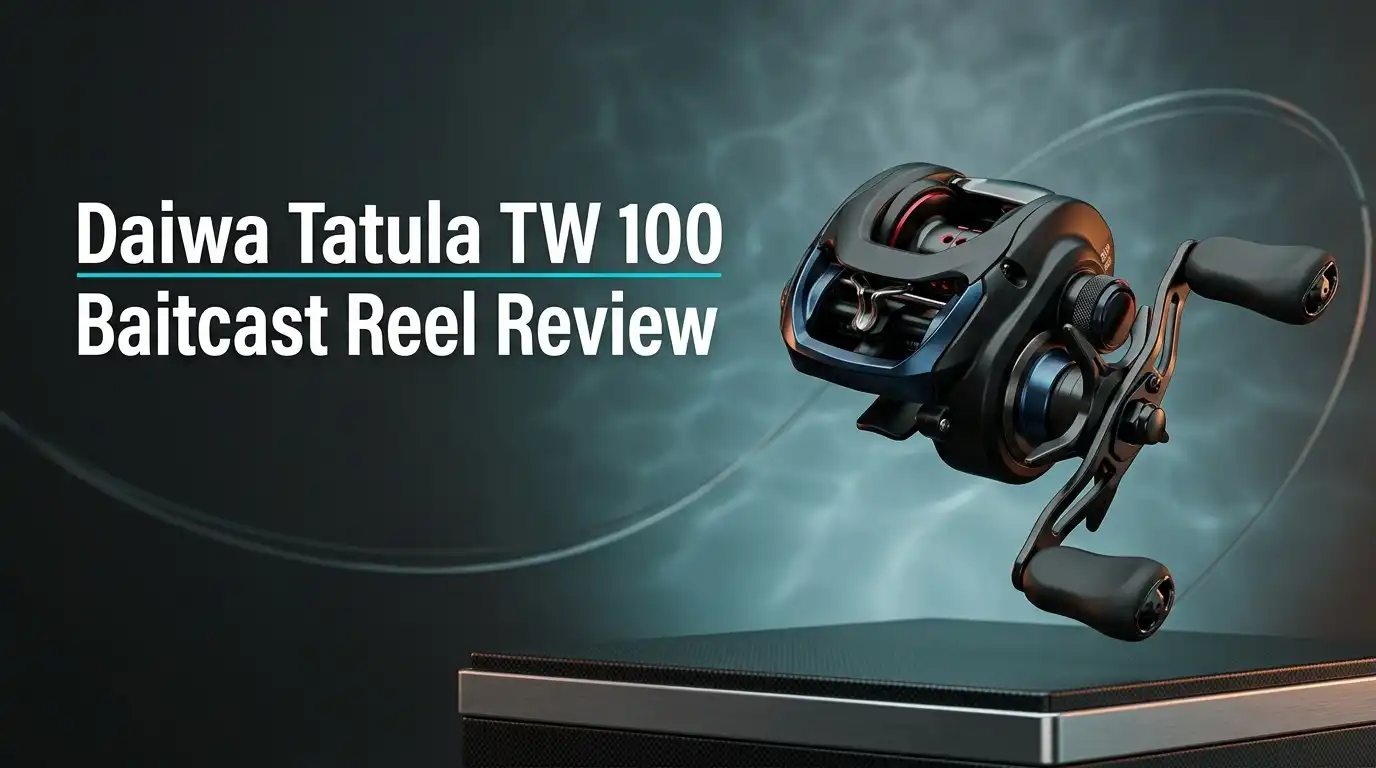
The Tatula TW 100 is a low profile baitcasting reel built for freshwater fishing. Daiwa aimed it at bass anglers who need one reel that handles many techniques.
The “100” refers to the frame size, which is Daiwa’s compact platform. The “TW” stands for T Wing System, the feature that defines this reel family.
Daiwa first launched the Tatula line in 2013. The reel became an instant hit because it brought premium technology down to a working angler’s budget. The 100 size arrived later and trimmed the original design into something smaller and lighter.
Think of it as the pickup truck of baitcasters. It is not the flashiest option on the shelf. It is the one that still runs after five seasons of abuse. Daiwa positions it between entry level reels and their premium Steez and Zillion models.
The current generation adds Hyperdrive Design, Daiwa’s package of upgraded internal components. That includes stronger gears, a smoother clutch, and tighter tolerances throughout the body.
Unboxing Experience and First Impressions
The box is plain. Daiwa ships the Tatula in a simple cardboard carton with a product sleeve. No foam cutouts, no velvet bag, no fuss. Inside you get the reel, a cloth reel bag, a schematic sheet, and a small tube of oil.
The reel bag is a nice touch at this price. Many competitors skip it entirely. The schematic matters more than people realize because it helps you reference parts if you ever send the reel for service.
Pick up the reel and the first thing you notice is density. It feels heavier than the number suggests, in a good way. There is no hollow plastic rattle. The aluminum frame gives it a machined, solid character.
Spin the handle and the retrieve runs quiet. My unit had a faint whir on the first few turns, which smoothed out after about twenty minutes of use. The thumb bar clicks down with a firm, confident action.
The finish deserves mention. The black and gold color scheme looks sharp without screaming for attention. Edges are clean and paint coverage is even. Nothing about the presentation feels cut rate.
T Wing System Explained in Plain Terms
The T Wing System is the reason this reel exists. Standard baitcasters run line through a narrow level wind opening. That opening creates friction and forces line to change angle sharply during the cast.
Daiwa solved this with a T shaped level wind. When you press the thumb bar, the level wind flips up and opens a wide channel. Line leaves the spool freely with minimal contact. Less friction means less resistance, which means longer casts.
When you engage the handle, the wing drops back down into a narrow slot. That narrow position gives you tight, even line lay during retrieve. You get casting freedom and retrieve precision in one mechanism.
The real world result is noticeable. I measured roughly 10 to 15 percent more distance compared to a conventional level wind reel with the same lure and line. The gain is largest with lighter baits where friction matters most.
There is a side effect worth knowing. The wide opening lets line wander slightly during the cast, so the first few turns of retrieve can stack line unevenly. This resolves itself quickly and causes no practical problems.
Build Quality and Materials Breakdown
Daiwa uses an aluminum frame and aluminum side plate on the gear side. This combination resists twisting under drag pressure. When you set the hook on a heavy fish, the gears stay aligned instead of flexing apart.
The spool is machined aluminum with Daiwa’s LC ABS design. The spool lip has a wider angle than traditional designs. This reduces the force needed to pull line off, which boosts casting distance and cuts backlash frequency.
Bearing count varies by model but typically sits around 7 bearings plus one roller clutch bearing. The count is average for the price. What matters more is bearing placement, and Daiwa puts them where load concentrates.
The handle is aluminum with a comfortable swept design. Knobs are soft touch rubber on most models. Grip stays secure with wet hands, which is more than I can say for several hard plastic knobs in this bracket.
Drag washers deliver around 11 to 13 pounds of maximum pressure depending on the model. That is plenty for bass, pike, and most freshwater species.
Casting Performance on the Water
This is where the reel earns its reputation. I fished the Tatula TW 100 with lures from 1/4 ounce to 1 ounce across several trips.
Mid weight lures are the sweet spot. Chatterbaits, spinnerbaits, Texas rigs, and medium crankbaits fly beautifully. The reel loads smoothly and releases clean. Casts feel effortless rather than forced.
Accuracy impressed me more than raw distance. The compact frame lets you control the cast with your wrist alone. Skipping docks became genuinely fun after a short adjustment period.
Light lures require more attention. At 1/4 ounce and below, you need the brakes dialed up and your thumb engaged. The reel will throw light baits, but it will punish lazy thumb work with a backlash.
Wind exposes the limits of magnetic braking. A crosswind on a long cast with a light bait can create problems that a digital braking reel would absorb automatically. Plan your casting angles when the wind picks up.
Braking System and Setup Tips
The Tatula TW 100 uses a Magforce magnetic braking system. You adjust it with an external dial on the side plate, numbered through a range of settings.
Setup is straightforward. Tie on your lure, set the spool tension knob so the bait drops slowly when you release the thumb bar, then set the brake dial to the middle position. Make a few casts and adjust from there.
My working settings looked like this. Heavy baits over 3/4 ounce ran comfortably at low brake settings. Standard 1/2 ounce lures worked well in the middle range. Light baits under 3/8 ounce needed high settings plus active thumb control.
The tension knob deserves praise. It clicks with firm detents and holds position all day. Cheaper reels often loosen as you fish, forcing constant readjustment. This one stays put.
One honest note. The brake dial sits slightly recessed. Adjusting it with cold or gloved fingers takes effort. Not a dealbreaker, but worth mentioning.
Top 3 Alternatives for Daiwa Tatula TW 100

Last update on 2026-11-21 / Affiliate links / Images from Amazon Product Advertising API
Shimano SLX DC Baitcasting Reel

Last update on 2026-11-21 / Affiliate links / Images from Amazon Product Advertising API
Daiwa Tatula SV TW 103 Baitcasting Reel


Last update on 2026-11-21 / Affiliate links / Images from Amazon Product Advertising API
Abu Garcia Revo X Low Profile Baitcast Reel
Gear Ratios and Which One to Choose
Daiwa offers the Tatula TW 100 in several gear ratios. Picking correctly matters more than most anglers realize.
The 6.3:1 is your slow speed option. Choose this for deep diving crankbaits, big swimbaits, and anything with heavy water resistance. The lower ratio gives you torque and keeps you from burning a crankbait past its diving depth.
The 7.1:1 or 7.3:1 is the all rounder. If you buy one Tatula, buy this one. It handles spinnerbaits, chatterbaits, jigs, Texas rigs, topwater, and shallow cranks without complaint. This ratio covers roughly 70 percent of bass fishing situations.
The 8.1:1 is your speed demon. Pick this for flipping, pitching, frogging, and any technique where you need to pick up slack fast. Jig fishermen love it because you can take up line quickly between pitches.
Line retrieve per crank ranges from roughly 26 inches on the slow model to over 33 inches on the fast one. That difference adds up across a full day of casting.
Who Should Buy This Reel
The Tatula TW 100 fits specific anglers well. Intermediate bass fishermen get the most value here. You have mastered basic thumb control and want a reel that will not hold you back as you improve.
Anglers who fish hard and often should also look closely. This reel survives abuse. The aluminum frame, quality gears, and simple design mean fewer failures over long seasons.
Tournament anglers on a budget find it useful as a secondary setup. You can own three Tatulas for the price of one flagship reel, and all three will perform.
Beginners can start here with realistic expectations. The reel is forgiving enough for learning, but it will not save you from bad technique the way a digital braking reel might. Budget an extra week of practice.
Saltwater anglers should look elsewhere. Freshwater anglers chasing finesse presentations should consider the SV version instead.
What the Tatula TW 100 Does Not Do Well
Honest reviews cover weaknesses. Here is where this reel falls short.
Light lure performance is average at best. Anything under 1/4 ounce fights the deeper spool and the magnetic brakes. If you fish small finesse baits regularly, this is the wrong tool. The Tatula SV TW handles that job far better.
Saltwater durability is limited. The reel lacks sealed bearings and comprehensive corrosion protection. A few inshore trips without thorough rinsing will introduce grit and corrosion.
The braking system requires skill. Shimano’s DC reels actively adjust braking during the cast. The Tatula does not. You supply the correction with your thumb.
Stock bearings are functional, not premium. Experienced anglers often upgrade to ceramic bearings for extra distance. That adds cost to a reel that already costs real money.
Parts availability can lag. Daiwa service is solid but not fast. Expect weeks, not days, for repairs.
Maintenance and Long Term Durability
The Tatula rewards basic care. After every trip, wipe the exterior with a damp cloth and dry it. That single habit prevents most cosmetic damage.
Every few trips, add one small drop of oil to the spool bearings and the level wind worm gear. Do not overdo it. Excess oil attracts dirt and slows the spool.
Once per season, open the side plate and clean the spool bearings properly. Remove old grease, flush with a bearing cleaner, dry fully, and apply fresh oil. This restores casting distance that slowly fades over months.
The main gears need grease, not oil. Daiwa recommends a marine grade reel grease applied sparingly. A thin coating works better than a thick layer.
Long term reliability is a strength. Anglers report Tatulas running strong after five or more seasons with routine maintenance. The Hyperdrive gearing in newer models should extend that further.
Price and Value in 2026
The Tatula TW 100 typically sells between $150 and $200 depending on the model and retailer. Japanese domestic market versions sometimes appear at lower prices through import sellers.
Value depends on what you measure. On raw specifications, several competitors beat it. KastKing and Piscifun offer more bearings and lower prices. Shimano’s SLX DC offers digital braking at a similar cost.
On durability per dollar, the Tatula wins. A reel that fishes reliably for six seasons costs less per trip than two budget reels that fail in two seasons each.
The T Wing System remains exclusive to Daiwa. No competitor offers that specific casting advantage at any price. If you value distance and smooth release, that feature alone justifies the gap.
Watch for sales. Daiwa discounts the Tatula line regularly, especially when new model years arrive. A $140 Tatula is excellent value.
Final Verdict
The Daiwa Tatula TW 100 remains a strong buy in 2026. It is not the newest design, the lightest reel, or the most feature packed option available.
It is, however, dependable. The build quality, the T Wing casting advantage, and the comfortable compact frame create a reel you can fish hard and trust completely.
I would recommend it without hesitation to any intermediate bass angler who fishes standard techniques with lures between 1/4 and 1 ounce. For that angler, it delivers near flagship performance at a reasonable price.
I would not recommend it for finesse specialists, saltwater anglers, or complete beginners who want maximum backlash protection. Those anglers have better options.
Rating: 4.5 out of 5. Points deducted for average light lure handling and the learning curve on the braking system. Everything else earns full marks.
Frequently Asked Questions
Is the Daiwa Tatula TW 100 good for beginners?
It works for beginners who commit to practice. The reel casts smoothly and the brakes adjust easily, but it lacks digital braking assistance. Expect a week or two of backlash picking while you build thumb control. Start with 1/2 ounce lures and high brake settings.
What is the difference between the Tatula TW 100 and the Tatula SV TW?
The SV version uses a shallower spool with Daiwa’s SV braking system. That combination handles light lures far better and resists backlash more aggressively. The TW 100 offers more line capacity and better performance with heavier baits. Choose SV for finesse, TW 100 for all purpose power fishing.
Can I use the Tatula TW 100 in saltwater?
I do not recommend it. The reel lacks sealed bearings and full corrosion protection. Occasional inshore use with immediate freshwater rinsing may work, but regular saltwater fishing will shorten its life considerably. Buy a dedicated saltwater reel instead.
What line should I spool on the Tatula TW 100?
Braided line between 30 and 50 pound test works well for most applications. Add a monofilament backing layer first so the braid does not slip on the spool. For crankbaits, 12 to 15 pound fluorocarbon performs better due to its stretch and sink rate.
How much drag does the Tatula TW 100 have?
Maximum drag sits around 11 to 13 pounds depending on the specific model. That exceeds what you need for bass fishing. Most anglers set drag between 5 and 7 pounds for typical conditions, which protects both your line and the fish.
How long does the Daiwa Tatula TW 100 last?
With routine cleaning and oiling, five to eight seasons of regular use is realistic. Many anglers report longer service lives. The aluminum frame and quality gear train resist the wear that kills cheaper reels. Neglect maintenance and that timeline shortens dramatically.

Hi, I’m Ivy Webb, the passionate angler and creator behind BaitHookVault.com. I spend my days out on the water personally testing and reviewing a wide variety of fishing tools and gear.